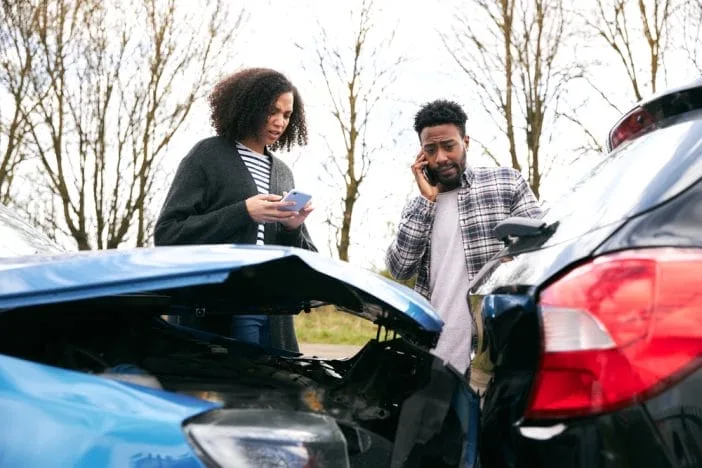
After a car accident, emotions run high and phones come out almost instantly. In that rushed moment, a simple text message can quietly shape the entire insurance claim in ways most drivers never expect. Insurance adjusters often review messages exchanged right after a crash because those words can reveal assumptions, admissions, or emotional reactions. One poorly chosen sentence can shift blame or reduce a payout before any official investigation even begins. Many drivers think texting feels harmless, but insurance companies treat every word like evidence.
Knowing what not to send can protect both money and legal standing in a stressful situation. The wrong message does not just create confusion; it can actively weaken a claim from the very start. That makes post-accident texting one of the most overlooked financial risks on the road.
The Simple Text That Signals Liability Too Soon
Drivers often send quick messages like “Sorry, I didn’t see you” right after a collision, thinking it shows politeness. Insurance adjusters treat that kind of wording as an early admission of fault, even if the full facts tell a different story. Liability decisions depend on investigation, not emotion, yet texts can muddy that process immediately. A casual apology can shift perception before police reports or witness statements enter the file. Even a short phrase can get interpreted as accepting responsibility for the entire incident. Adjusters often highlight those messages when building arguments about who caused the crash.
Many people also text details about speed, distraction, or lane changes without realizing how those details get analyzed later. A simple sentence like “I didn’t notice the light change” can become a key point in a liability dispute. Insurance companies piece together statements from multiple sources, and text messages often carry extra weight because they feel immediate and unfiltered. Drivers lose control of context once those words leave their phone. Careful wording protects against misinterpretation during the claims process.
Why Insurance Adjusters Love Casual Apology Messages
Insurance adjusters pay close attention to tone because emotional language often reveals assumptions about fault. A message that sounds friendly or apologetic can still strengthen the opposing claim even if no legal admission exists. Adjusters often look for patterns in communication that suggest hesitation or regret, since those emotions can influence settlement negotiations. A single “I’m so sorry about this” can shift the direction of an entire claim review. Casual messaging creates openings that professionals trained in claims evaluation quickly recognize and use.
Many drivers also underestimate how quickly screenshots and message logs enter insurance investigations. Once adjusters access those records, every casual phrase becomes part of the official file. Friendly conversation between drivers can unintentionally turn into evidence that supports one side. Even messages meant to reduce tension can increase financial exposure during settlement discussions. Careless wording often costs more than most drivers expect when claim outcomes get finalized.
Insurance adjusters are just doing their jobs, but your text message history could impact their findings – Shutterstock
The Exact Messages That Raise Red Flags in Claims
Certain phrases immediately attract attention from insurance adjusters because they suggest fault or uncertainty. Statements like “It was my fault” or “I wasn’t paying attention” create direct problems during claim evaluation. Adjusters also flag messages that estimate damage responsibility or guess accident causes before any formal review. Even innocent-sounding updates like “I think I hit you pretty hard” can complicate the investigation. Every uncertain or emotional message adds another layer of risk to the claim file.
Drivers also weaken their position when they speculate about injuries or damage in early texts. Comments such as “My car looks totaled” or “I think I hurt my neck” often create inconsistencies later if medical or repair reports differ. Insurance companies track those inconsistencies closely because they affect payout calculations. Even well-meaning updates can turn into leverage during negotiations. Careful silence often protects claims more effectively than early commentary.
Smarter Ways to Communicate After a Crash Without Risking Your Claim
Clear, minimal communication helps protect both legal and financial interests after a collision. Drivers should limit messages to basic logistics such as location, safety checks, and insurance exchange details. A neutral tone keeps conversations from turning into statements that adjusters can interpret as admissions. Police reports and official documentation should carry the factual weight, not casual texting. Simple, factual language prevents confusion and reduces the chance of misinterpretation.
Many insurance experts recommend keeping emotional reactions out of all written communication after an accident. A calm approach helps maintain consistency between statements given to police, insurers, and other drivers. Short updates like “Insurance information shared” or “Waiting for authorities” keep communication functional without adding risk. Every message should serve a clear purpose without guessing fault or describing damage. That discipline helps protect the integrity of the entire claim process.
The Real Cost of a Single Thoughtless Message
One text message can influence an insurance claim far beyond what most drivers expect. Adjusters often use early communication to build narratives that shape settlement outcomes. A single apology or assumption can shift financial responsibility in ways that affect repair costs, premiums, and legal exposure. Drivers who pause before sending messages protect themselves from avoidable mistakes. Careful communication turns a stressful situation into a more controlled and predictable process.
What would you say differently if you knew insurance adjusters would read every word?
You May Also Like…
Stop Saying ‘I Didn’t Know’ — New Jersey’s Auto Insurance Liability Limits Jump to $35k/70k/25k
Dash Cams Are Showing Up in More Insurance Claims—And They Could Affect Your Payout
Navigating the Aftermath: Car Accidents, Injuries, and Repair Costs in the U.S.
8 Things You Should Never Say to an Insurance Adjuster — It Could Cost You Thousands
Is it More Cost-Effective to Repair or Replace Your Car After an Accident?
The post The Text You Should Never Send After a Car Accident — Insurance Adjusters Use It Against You appeared first on Clever Dude Personal Finance & Money.