Unlock the Editor’s Digest for free
Roula Khalaf, Editor of the FT, selects her favourite stories in this weekly newsletter.
The number of British people taking out life insurance has significantly increased over the past year, insurers and wealth managers said, following recent changes that increase the burden of inheritance tax bills.
Whole-of-life cases pay out when the policyholder dies and are often used to cover a future tax liability. The number processed by wealth manager Evelyn Partners rose by 66 per cent last year compared with 2025, while Royal London’s insurance arm sold 50 per cent more of the policies over the same period.
“Inheritance tax planning has absolutely exploded,” said Barry O’Dwyer, chief executive of Royal London, adding that “by far” the easiest way to plan for inheritance tax was to buy life insurance that pays out on death.
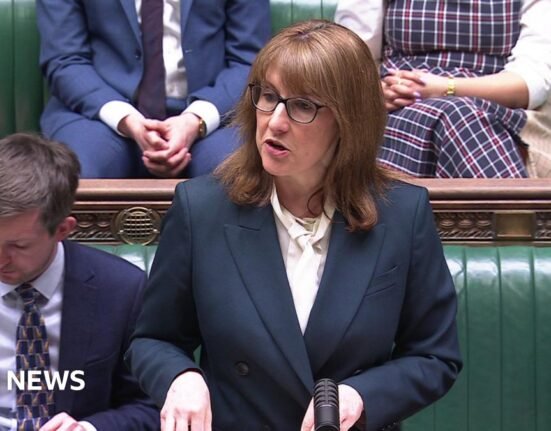
In her first Budget as chancellor in autumn 2024, Rachel Reeves announced that pensions would fall within the scope of inheritance tax from 2027, turning unused pensions from one of the most tax-efficient vehicles through which individuals can pass on wealth to one of the least.
The government estimates its proposals will bring about 1.5 per cent more estates within the scope of death duties in 2027-28, on top of the 4 per cent that already exceed the £325,000 nil-rate band, which can rise to £500,000 where a property is passed on. The move is forecast to raise £1.5bn a year for the Treasury by 2030.
Under the current rules, estate executors must pay any IHT owed on unused pensions within six months of a death, which peers in the House of Lords have warned poses a “huge problem” on the executors and have called on the government to extend the deadline to within a year.
James Shattock, managing director for UK protection at Legal & General, said the FTSE 100 insurer had seen a 500 per cent increase in the value of sales for whole-of-life products in the first quarter of 2024 and the final quarter of last year, with much of the growth reflecting “rising customer demand for policies to help cover potential IHT costs, following the recent changes to IHT on pensions”.
Whole-of-life policies, a form of life assurance, are popular for IHT planning because when held in a trust they do not form part of your estate and are not subject to standard rate inheritance tax at 40 per cent. They pay out a guaranteed sum of money to beneficiaries upon death and can be used to foot an estate’s IHT bill.
Reeves also announced reforms to agricultural property relief and business property relief in her 2024 Budget, resulting in people with large estates or companies that had previously been exempt having to pay inheritance tax at 20 per cent on assets above £2.5mn from April.
Life insurance has become particularly popular for covering these hard-to-sell assets as they wish to keep a family business or farm intact and owned by the family.
Finding the money to pay a tax bill is difficult when the asset that cannot easily be sold, so many owners look at whole-of-life insurance policies that pay out on their deaths to cover the liability payable on their businesses.
“The size of the sums assured has increased dramatically,” said Ian Dyall, head of estate planning at Evelyn Partners. “We are currently helping a number of clients with liabilities in excess of £10mn.”
Rob May, executive director for life and inheritance at SPF, part of insurer Howden, said that for those impacted by changes to business and agricultural relief, term life insurance solutions were particularly popular “to protect lifetime transfers” or until further inheritance tax planning is carried out.
Under UK tax rules, any gifts made may be taxed as part of a person’s estate if they die within seven years.