What Is a Lapse?
A lapse is the removal or expiration of a privilege, right, or policy due to the passage of time or inaction. A lapse occurs when the party that meant to receive the benefit does not meet the conditions or requirements outlined in the contract or agreement.
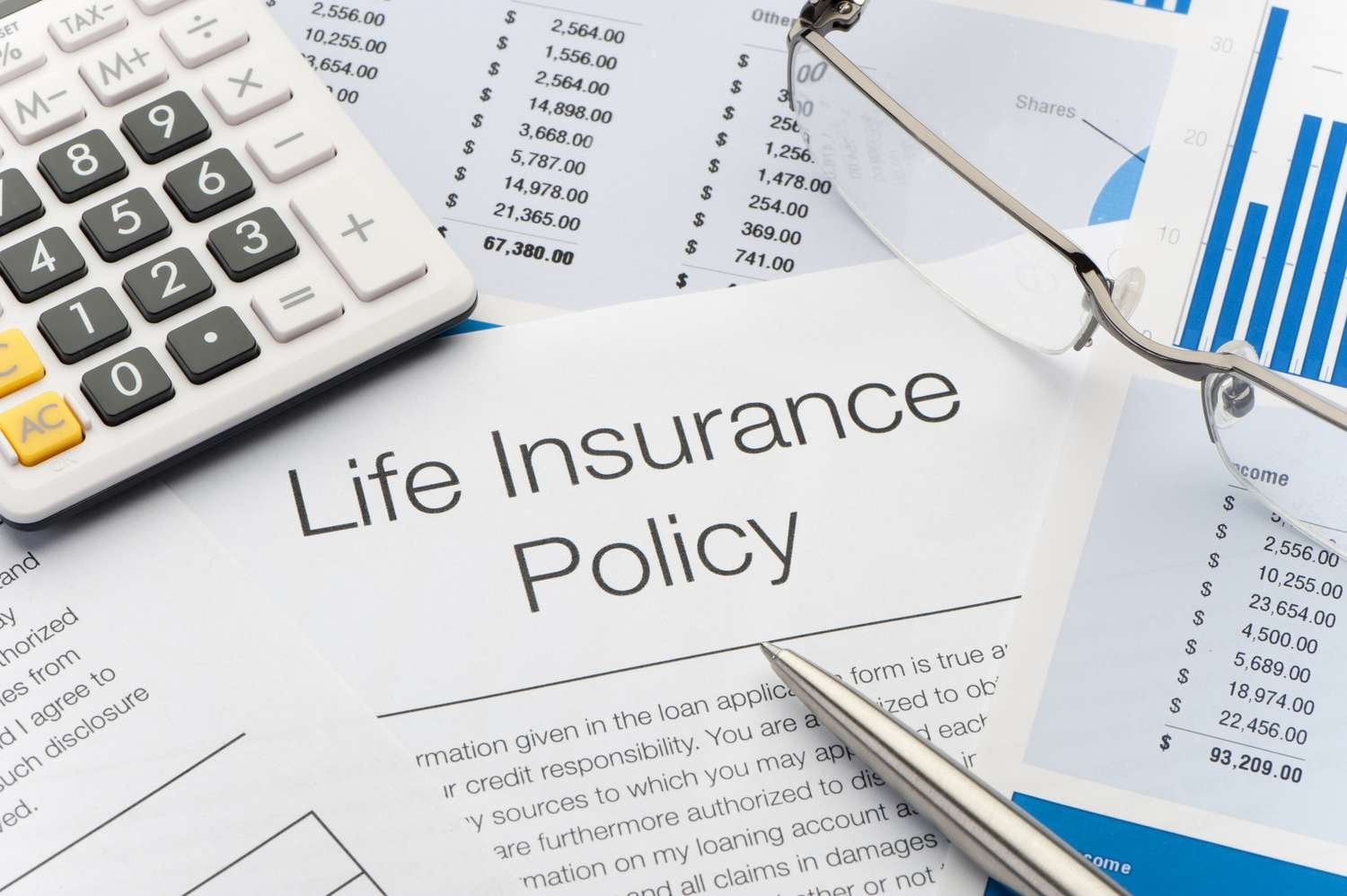
When an insurance policy lapses, it usually happens because the policyholder fails to meet obligations, such as paying premiums on time. A lapse can result in losing coverage, and in some cases, facing higher premiums or stricter terms when reinstating a policy. Understanding your policy’s terms and payment deadlines is essential to avoiding an unexpected loss of coverage.
Key Takeaways
- A lapse occurs when a policy or contract becomes inactive due to unmet requirements, such as missed payments.
- Lapses commonly happen in insurance, leading to no coverage until the policy is reinstated.
- Auto insurance lapses can result in higher premiums and penalties, with some states imposing fines.
- Policies often include a grace period, typically 30 days, to allow for payment before a lapse.
- Stock options can lapse if not exercised within a specified timeframe, causing potential forfeiture of shares.
How Lapses Occur in Insurance and Other Agreements
Once a contract or agreement lapses, its benefits and terms are no longer active. “Lapse” is often used in insurance, where it means a policy no longer provides coverage. Lapses can happen in other areas, too.
What Happens When Insurance Policies Lapse
When policyholders stop paying premiums and when the account value of the insurance policy has already been exhausted, the policy lapses. A policy does not lapse each and every time a premium payment is missed. Insurers are legally bound to give a grace period to policyholders before the policy falls into a lapse. The grace period is usually 30 days. Insurers provide policyholders a period of 30 days to pay for the missed premium deadline.
Whole life, variable universal life, and universal life (UL) insurance policies use existing cash values of policies if payments are missed. If policyholders still do not pay within the grace period, a policy may use its own account value to pay for the unpaid premiums. If the account value is not sufficient to pay for the policyholder’s premiums, then the policy will be considered lapsed. Once a policy lapses, the insurer is not under any legal obligation to provide the benefits stated in the policy.
Term life insurance does not have this benefit because it does not gain cash value. In this case, when premium payments are missed, the policy goes straight to the grace period and then falls into a lapse when the grace period is over.
Most insurers let policyholders reinstate a policy during its grace period. Reinstatement requirements vary based on how long the policy has lapsed. For example, insurers do not require documentation or proof of health if the policyholder wants to reinstate a policy within 30 days after it lapsed. Documentation regarding health and finances may be required in cases where the lapsed period for a policy is between 30 days and six months. Any period longer than six months and up to five years would be dependent on the insurance company.
Risks and Consequences of Letting Your Car Insurance Lapse
Most states require drivers to have auto insurance. The consequences of driving without insurance can be great, even for those who can prove they have adequate finances to cover damages. Without insurance, assets, such as personal finances and real estate, are at risk.
Auto policies can lapse for various reasons, such as missed premium payments or too many driving infractions. Policyholders with lapsed policies are considered a higher risk for the insurance company. If a policy lapses because of accidents or driving violations, it is likely that these activities will continue with the new insurer. Also, missed premiums compromise the insurer’s ability to properly cover losses.
Because of the increased risk to the insurer, premium rates increase for policyholders with lapsed coverage. For some, they may be deemed uninsurable, requiring them to obtain coverage from low-rated insurers. The longer the lapse in coverage, the higher the rate will be.
Some states impose penalties for lapsed coverage. For example, Alabama will suspend the driver’s license and impose a $200 license reinstatement fee. If caught driving without insurance or without the minimum state limits, the driver could be required to obtain a court-ordered SR-22 certificate of financial responsibility, filed by the insurer. Because the SR-22 indicates a poor driving history, the insurance company will likely apply a higher rate for assuming the risk of insuring the driver.
Understanding Stock Option Lapses and Their Impacts
Stock shares or stock options are sometimes granted to employees as a form of incentive compensation. These normally come with a restriction that stops employees from selling or trading shares for a particular period of time. These restrictions vary between companies and are mostly dependent on the vesting period or the duration of time that the employee has spent with the company. When the restrictions are lifted, employees become direct owners of the shares.
If employees don’t exercise stock options in time, the options lapse and revert to the employer.
For example, an employer grants employees with 10 years of service the option to purchase 100 shares of stock at $20 per share. This option must be executed within 6 months. Some employees do not exercise their option to purchase shares within 6 months. Therefore, their option to purchase shares of stock lapses.
Example: Lapse in a Life Insurance Policy
Let’s say that Sam has a term life insurance policy with a $1 million death benefit that requires payment of a $100 monthly premium for a period of 10 years. For the first two years of the policy, Sam makes the monthly payments for the policy as required. After two years, however, Sam is laid off and can no longer afford to make the payments. The grace period on the policy is 30 days over, but Sam still cannot pay the premiums due; as a result, the policy lapses. If Sam were to pass away at this point, there would be no insurance coverage.
Important
A lapse ratio, or expiration ratio, is a measure of policies issued by an insurance company that are not renewed compared to the number of policies that were active at the beginning of that same period. The ratio serves as an important indicator in the insurance industry because it reveals how efficient a company is at retaining its customers and earnings.
Shortly thereafter, Sam finds another job and requests that the insurance company reinstate the policy. The insurer agrees and Sam resumes paying the premiums, thus restoring the lapsed coverage.
What Percentage of Life Insurance Policies Lapse?
As of 2021, the lapse rate for individual life insurance policies was 5.2%.
How Does a Lapse in Coverage Affect My Car Insurance Rates?
A lapse in auto coverage generally results in higher rates being applied. The longer the lapse, the higher the rate. For example, drivers with policies that have lapsed for up to 30 days see an 8% increase in auto insurance rates. For those with lapses greater than 30 days, the rate increase is about 35%.
Does an Insurance Lapse Affect Your Credit Score?
Most policies lapse without affecting credit. However, if the policyholder owes the insurer for coverage, the insurer may report the debt to a collection agency. Under those circumstances, the lapse can precipitate a decrease in the policyholder’s credit score.
The Bottom Line
A lapse in coverage happens when a policy or right expires due to inaction, most often from missed premium payments in the case of insurance. Such lapses can lead to higher future payments, stricter terms, or even legal penalties in cases like auto insurance, where continuous coverage is often required by law.
Insurers are generally required to provide a grace period for late payments, and many allow policy reinstatement during this time. Lapses can also apply to stock options, where employees may forfeit unexercised shares once a contract expires. To avoid these setbacks, stay informed about deadlines and contact your insurer early to explore options for maintaining or restoring coverage.