The Mirror explains how income tax works and all the latest reported plans that could be announced in the Budget
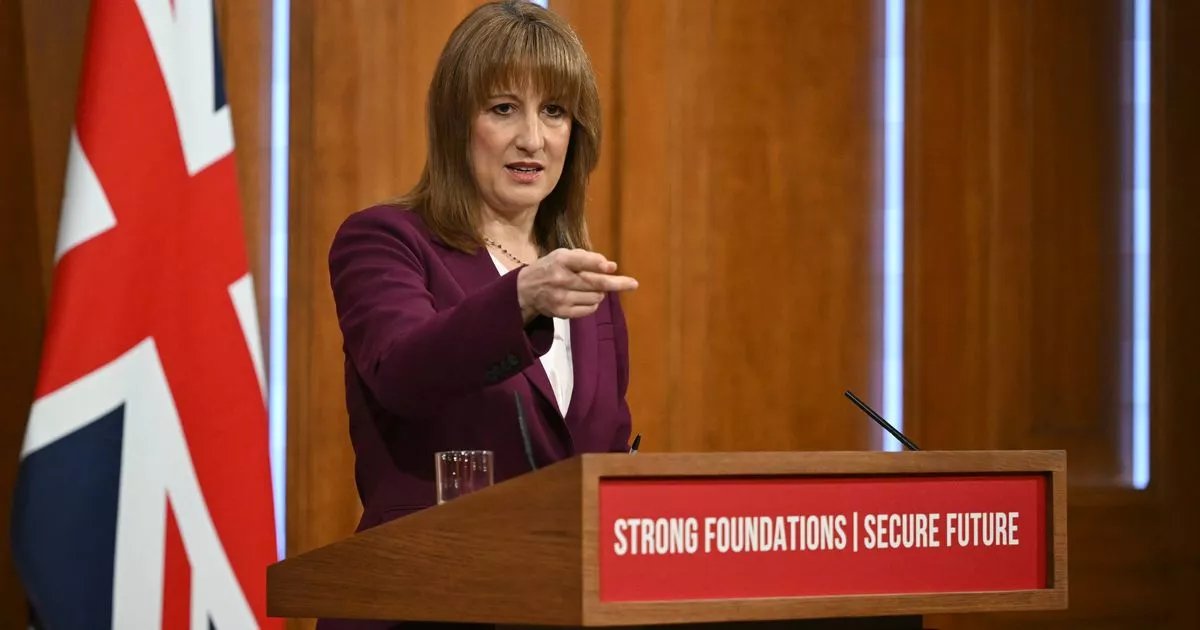
Rachel Reeves will deliver her Autumn Budget on November 26 — but what will this mean for income tax and national insurance?
As part of its manifesto, Labour promised not to increase VAT, national insurance, or income tax for working people. Earlier reports suggested the Chancellor was considering breaking this pledge with a plan to increase income tax by 2p, while cutting national insurance contributions.
Then in new reports last week, it was claimed these plans have now been dropped, following fear of backlash from voters and MPs and after the Government received better-than-expected economic forecasts. The last time the basic rate of income tax was increased in the UK was in 1975.
But on Wednesday, Sir Keir Starmer refused to rule out freezing income tax thresholds for another two years. The move – which is often described a stealth tax – means more people are dragged into paying a higher rate of tax as their incomes rise.
How does income tax work?
Most people can earn £12,570 every tax year before they start to pay income tax. This is known as your personal allowance and it has been frozen at this level since the 2021/22 tax year.
You currently pay the basic 20% rate of income tax when you earn above £12,570, then the higher rate of 40% income tax kicks in on earnings above £50,270. The additional rate of 45% applies when you earn above £125,140.
You pay the rate of income tax on your income in the bracket.
- Personal allowance – up to £12,570
- Basic rate (taxed at 20%) – £12,571 to £50,270
- Higher rate (taxed at 40%) – £50,271 to £125,140
- Additional rate (taxed at 45%) – over £125,140
How does extending tax threshold freeze cost you?
The tax thresholds are currently set to remain frozen until the 2028/29 tax year – but latest reports suggest this could be extended by another two years to 2030.
Extending the freeze would generate some £8.3billion a year by the end of the decade, according to estimates from the Institute for Fiscal Studies think-tank.
The process of freezing the thresholds mean more people will be dragged into paying tax – either for the first time, or paying more tax – when their wages rise.
This process is known as “fiscal drag” and it is a way of generating more tax which actually having to put tax rates up.
Sarah Coles, head of personal finance Hargreaves Lansdown, said: “Fiscal drag has hauled over six million more people into paying income tax, and 3.36 million more into paying higher or additional rate tax.
“We’ve had to hand over an extra £89billion in income tax this year – compared to 2021/22 – as a result. The Institute for Fiscal Studies says a freeze for another two years would mean that by 2030, one in four people will pay higher rate tax.
“Freezing the thresholds for two more years, instead of increasing with wages (assuming wages rise 4% a year) means someone earning £60,000 might pay an additional £1,529 by the end of 2029/30.
How to cut your tax bill
One way you can cut down your tax bill, is to see if your employer offers a salary sacrifice scheme, according to Sarah Coles.
Salary sacrifice is where you agree to give up part of your pre-tax salary in exchange for a non-cash benefit, such as paying into your pension or childcare vouchers.
The idea is that by giving up a portion of your pre-tax salary, the amount of your pay that is subject to tax is reduced. In some cases your take-home pay might actually go up.
Sarah said: “In some cases, the government will let you give up a portion of your salary, and spend it on certain things free of tax and in some cases National Insurance. This includes pensions.”
You may also be able to reduce your tax bill if you’re married, by making use of marriage tax allowance. But it depends on how much each of you earn.
Sarah explained: “If one spouse is a non-taxpayer and the other is a basic rate taxpayer, the marriage allowance lets the non-taxpayer give £1,260 of their personal allowance to their spouse, to cut their tax bill.”