

Published 28th Nov 2026, 06:00 GMT
Having been on both sides of cutbacks in a media organisation, I know from experience that it’s far from pleasant being on the receiving end and who can blame singer Michelle McManus for reportedly examining her legal options after being axed from her BBC Radio Scotland show.
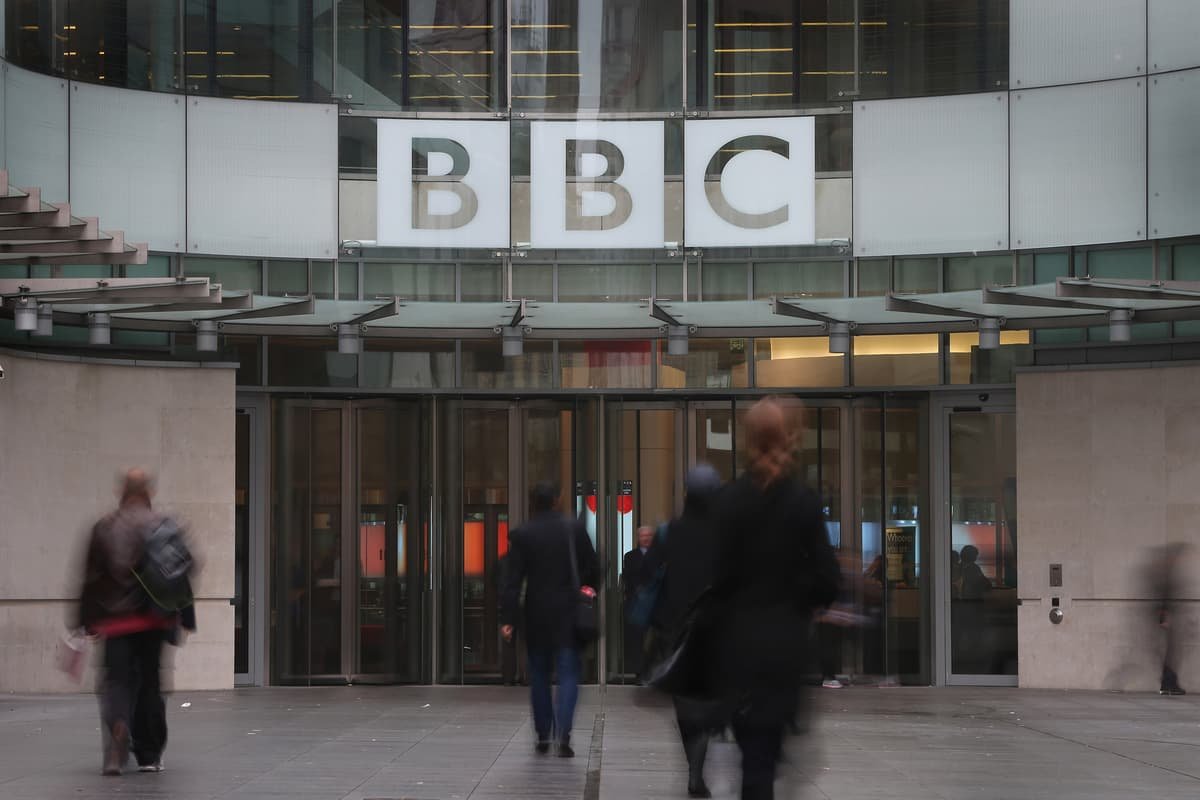
There is no question the BBC faces a crisis, losing over 500,000 licence fee payers in the year to March this year. Now only 77 per cent of households pay the fee, and 13 per cent don’t watch anything which needs a licence anyway.
And it’s going to get worse. A new report from media consultancy Oliver & Ohlbaum Associates says the corporation’s funding is in a “spiral of decline” predicting that less half will pay by 2034 and down to a third by 2038.
BBC Scotland channel doomed from the start
Under those circumstances, saying farewell to Ms McManus, and other presenters like poet Len Pennie, Iain Anderson, and Billy Sloan, and the 60 other BBC Scotland employees expected to be made redundant this year, is only the start without drastic action to address the BBC’s funding model.
Time is running out because the BBC Charter, which sets the framework for the BBC’s future operation, expires at the end of 2027, and the UK government White Paper which will detail the shape of the new charter is not expected until February.
It is all very well for Scottish Education Secretary Mairi McAllan, who also holds the culture brief, to condemn the closure of the dedicated BBC Scotland linear channel as “wholly unacceptable”, but it’s unrealistic to expect the Scottish operation to continue with a channel which reaches only 12 per cent of the population. It was going against all viewing trends from the minute it was launched, and putting it out of its misery is probably one of the easiest decisions the corporation will make as it figures out how to reduce its costs by £500 million.
Money is tight across the entire media and creative landscape, which is why it’s quite remarkable that the Scottish government continues to consider a £30 million pilot for a Scottish artists minimum income, in which up to 2,000 “artists” would be paid £15,000 a year. By contrast, last year its marketing investment in Scottish news publications totalled £54,000.
We know how that will go from the regular difficulties the state-funded Creative Scotland agency gets itself into – this month facing criticism for its £20,000 Scottish Album of the Year prize going to Vagrant Real Estate, aka Nick Cronin, for work including expletive-laden attacks on the King and Israel. Nothing new there, but do tax-payers expect their money to be spent in this way? And giving just over £900,000 to an arts organisation responsible for a “From the River to the Sea” pro-Palestine festival will hardly meet with universal approval.
The importance of choice
It all comes down to choice. For whatever reason, more people are choosing not to fund the BBC through the licence fee, just as they chose to seek out good services through the internet rather than the classified pages of their local newspapers. Both the Scottish and UK governments choose to spend taxpayers money in culture budgets which regularly throw up highly controversial recipients.
As fellow columnist Brian Wilson pointed out on these pages, the Scottish government chose to freeze the grant to MG Alba, which works in partnership with the BBC to produce Gaelic broadcasting, and is now complaining about BBC cuts.
Both the UK and Scottish governments choose to spend a disproportionate amount of their marketing budgets with US-based tech giants, and as a result underfund indigenous media organisations which are an essential part of the creative networks which includes the advertising agencies which were once a mainstay of the Scottish media community.
At no additional cost to the tax-payer, they can choose to spend their money in ways which would boost bona fide businesses which play by the rules and support sustainable careers, and which have demonstrable audiences, not taking a punt on productions with questionable value and no proven demand.
So too in the age of Youtube (owned by Google, a subsidiary of Alphabet, headquartered in Californai-ay) and dodgy firesticks from India, viewers should be able to choose how they spend their media pounds, not potentially face the jail for not funding what is, after all, just another service, even if a very good one.
My industry, the one responsible for what you are reading, has been regularly attacked for how it has dealt with the onslaught of the technical revolution and only now is the BBC waking up to the reality of what the rest of the communications world has been tackling for decades.
Both the BBC and UK government now have to choose what the corporation does or does not do, and both governments must choose which media organisations serve the public or serve themselves. It’s our money, and we deserve the right to choose too.
♦ In this column two weeks ago, I referred to the Hacked off Campaign and the Press Recognition Panel (PRP) as “associates”.
The PRP was established under the Royal Charter on Self-Regulation of the Press following the Leveson Inquiry, and the charter can be altered by a vote of politicians (with a two-thirds majority and agreement of the PRP). The PRP is largely funded by the UK government, receiving an annual grant of over £400,000.
Hacked Off campaigns for tougher control of the press under the scrutiny of the PRP and against the Independent Press Standards Organisation (IPSO), which oversees the vast majority of news publications, including this one. The PRP regularly criticises IPSO.
Hacked Off and the PRP are, however, separate organisations. Happy to set the record straight.