The National Energy System Operator (NESO) of the UK on Friday issued an Electricity Margin Notice amid tight supply margins.
This marks the fourth consecutive day that the NESO has published such a news notice, calling on power generators to increase production while urging major electricity consumers to reduce their consumption.
The UK energy regulator, Ofgem, recently announced that the energy price cap for households will rise by 26 percent in the first quarter of 2027, affecting approximately 20 million households.
The move was driven by factors such as the ongoing conflict in the Middle East, which has pushed up international natural gas prices. Analysts believe that rising energy prices could further weigh on the UK economy.
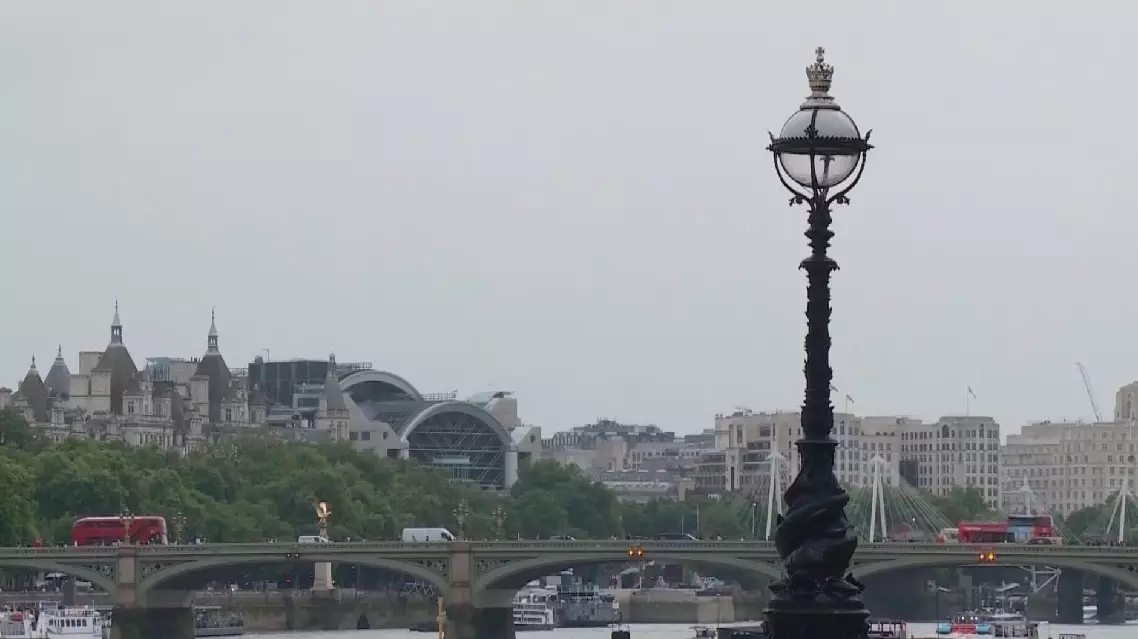
UK energy operator issues electricity margin notice amid tight supply
The city of Nagasaki in southwestern Japan has replaced references to the Nanjing Massacre with the term “Nanjing Incident” in updated exhibition materials for its Atomic Bomb Museum, sparking outcry from citizens’ groups and history scholars.
According to Kyodo News, the materials were presented Friday at a meeting of the museum’s operation council.
City officials claimed at the meeting that the change was based on descriptions in mainstream Japanese history textbooks and official terminology used by Japan’s Foreign Ministry.
Some of the exhibition updates have already begun, with the entire process expected to be completed by mid-March 2027.
The proposed change had already drawn opposition from various quarters when it was first disclosed.
Tatsuo Sekiguchi, head of a Nagasaki citizens’ group and a former journalist who interviewed Nanjing Massacre survivors, voiced deep concern.
“First of all, such revisions can make people feel that Japan is trying to downplay or diminish the brutality of the massacre. And it’s not just the Chinese who will think so. People from countries hurt by Japanese colonial rule or invasion may see it the same way. The rest of the world would understand it likewise, because the Nanjing Massacre is already an established historical fact,” he said. “What historical truth actually can be greatly affected by the way it is phrased. If ‘massacre’ is expressed as ‘incident,’ young people who study this history in the future will find it difficult to correctly understand this period of history, and difficult to judge which expression better conforms to historical facts,” said a Japanese visitor at the museum.
Meanwhile, Sekiguchi said he believes that from the perspective of the international community, particularly countries that once suffered from Japanese aggression and colonial rule, how the Nanjing Massacre and other historical events are described is not merely a matter of word choice, but rather concerns how Japan acknowledges and reflects on its wartime responsibilities.
“Foreign media have also come to interview about this issue. They think it’s something that deserves global attention. This isn’t just a Chinese issue. The whole world is watching. Nagasaki’s atomic bomb survivors’ groups have documented their testimonies and added English subtitles for international audiences. Then English comments came, saying ‘Japan must not forget the Nanjing Massacre.’ That’s how the international community has responded,” said Sekiguchi.
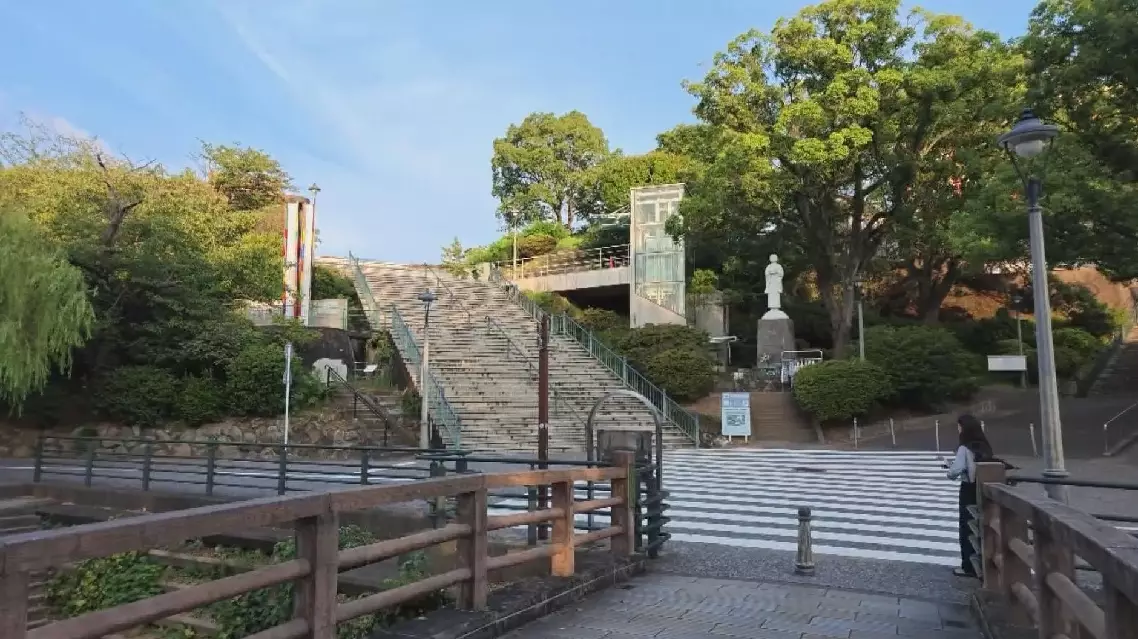
Nagasaki A-bomb museum begins replacing ‘Nanjing Massacre’ with ‘Nanjing Incident’, sparking outcry