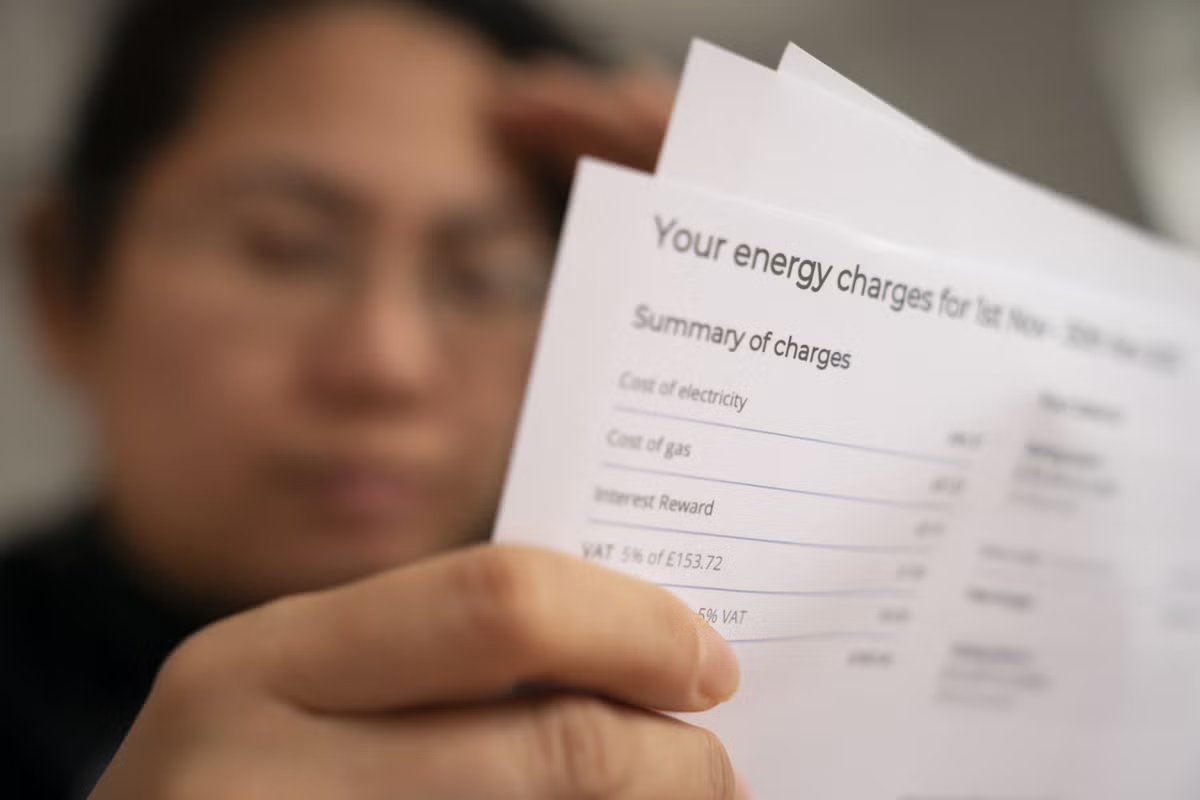
A third of UK adults are in debt to their energy firm or worried about falling behind, ahead of a 13 per cent jump in the price cap from July.
The poll, conducted for the End Fuel Poverty Coalition, found the figure rises to 45 per cent for parents with a child under 18, and 35 per cent for disabled people.
Among those in energy debt, the median amount owed to an energy supplier was £750. Worryingly, 13 per cent of those in debt or concerned about missing payments owed money to “someone who makes them feel scared”, rising to 24 per cent among those already in arrears.
Desperate measures have been taken by those in energy debt: 32 per cent tried to use less energy by turning off heating or taking shorter showers, 25 per cent kept their homes at uncomfortable temperatures, and 21 per cent missed rent or mortgage payments. More than one in five (21 per cent) have skipped meals, while 18 per cent turned to a foodbank for support to cope with costs or arrears.
The End Fuel Poverty Coalition found supplier support for struggling households had been “mixed”, and while 15 per cent of those in arrears had been referred to a hardship fund and 15 per cent were on a repayment plan, 13 per cent reported having no contact from their supplier in the past 12 months.
Less than one in five (18 per cent) of those in arrears felt they had been treated fairly by their supplier and just 8 per cent had been referred to debt advice.
Simon Francis, co-ordinator of the End Fuel Poverty Coalition, condemned the situation, stating: “These figures lay bare the true cost of years of failure to fix energy debt caused by the sharp increases in bills. Millions of people are in debt to their energy company or worried about falling behind, and yet the price shock profiteers are posting billions in profits.”
He added: “The figures also show that this is a can’t pay crisis, not a won’t pay one. Very few people who are in energy debt are also in high-earning households. Instead, it is ordinary people who are skipping meals, visiting foodbanks and, most alarmingly, resorting to risky forms of borrowing just to keep the lights on. The energy industry, which has caused this debt through its profiteering, must be made to contribute to clearing this debt mountain.”
Janine Michael, chief executive of the Centre for Sustainable Energy, echoed these concerns: “At the Centre for Sustainable Energy, we speak to people every day who are struggling to keep up with their energy bills – not because they won’t pay, but because they can’t.”
She urged: “The long-awaited energy debt relief scheme must be brought forward urgently, and people in debt need access to proper debt advice, not just a letter from their supplier. But debt relief alone is a sticking plaster. The real fix is reducing the amount of energy households use in the first place through proper investment in energy efficiency and phasing out gas. Until we address that, we’ll be having this same conversation next winter.”
The survey, conducted by Opinium between 29 May and 1 June, polled 2,000 UK adults. Of these, 9 per cent were behind on payments to their energy supplier, with a further 22 per cent – approximately 12 million people – expressing worry about falling into arrears.