The Government has issued an update on energy bills as the UK faces growing pressures due to the war in Iran
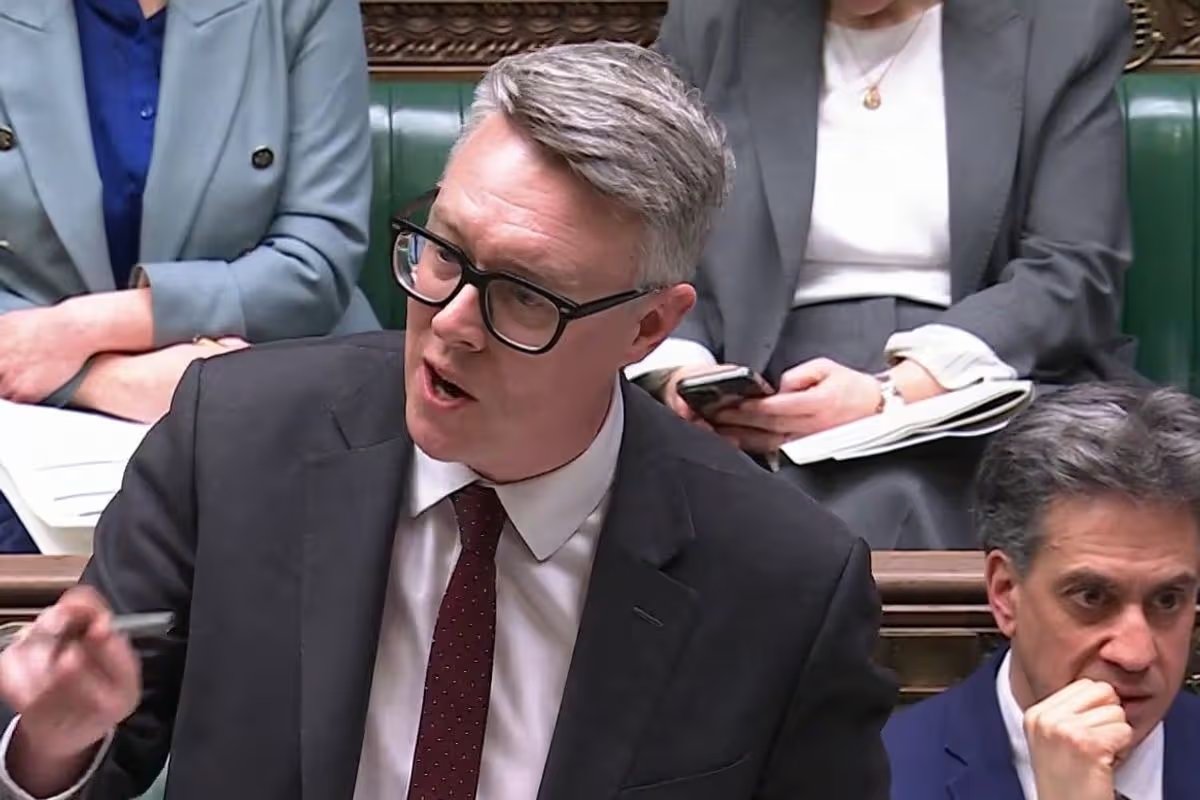
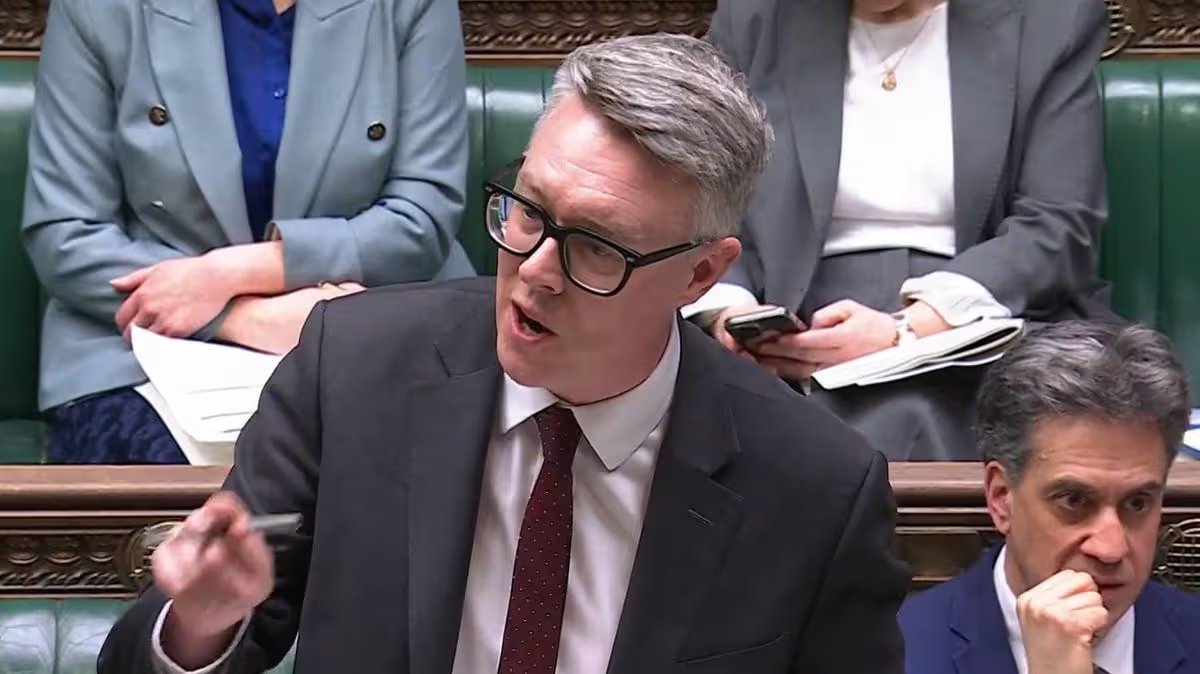
Martin McCluskey, Parliamentary Under Secretary of State (Department for Energy Security and Net Zero), in the House of Commons(Image: Parliament TV)
The government has released an update on energy bills as the UK grapples with mounting pressures stemming from the war in Iran. Household bills across the country are climbing after oil and gas prices surged in response to the conflict.
Ministers are now facing calls to take action. Other nations have already implemented measures to ease the burden on taxpayers confronted with soaring bills as a result of the Iran war, with Brent crude having risen significantly from $72.48 per barrel before the war to around $95 today
Germany, Italy, France, South Korea and Japan are amongst the countries whose governments have stepped in to curb rising bills. Labour is now facing increasing scrutiny – and is even fielding questions from its own backbenchers on the issue. Ruth Jones, Labour MP for Newport West and Islwyn, brought the matter before Parliament this week in a question to the Department for Energy Security & Net Zero.
She asked: “What assessment has [been] made of the potential merits of the receipt of benefits designed to support disabled people with the additional costs of living with disability, such as a) PIP, b) DLA and c) AA [attendance allowance], being within targeting criteria for energy cost support initiatives?”
The government says it is exploring ways to provide ‘better targeted help’ to those struggling to meet their bills. Martin McCluskey, Parliamentary Under Secretary of State (Department for Energy Security and Net Zero), responded by saying: “The Government recognises that families and businesses across the country will see the recent global events and once again be concerned about the impact on their energy bills.
“The Government continues to monitor the situation closely. Contingency planning is taking place for every eventuality, so that we can keep costs down for everyone and provide support for those who need it most. In addition, DESNZ is working closely with other Government Departments on the National Data Library (NDL) energy bill support ‘Kickstarter’ project to test how public sector data can be better joined up to improve access to Government programmes.
“The Kickstarter project will pave the way for better targeted help, ensuring those who are struggling to pay their bills get the support they need.”
What has the government said so far on fuel prices?
On March 24, Chancellor Rachel Reeves announced steps the government was taking as fuel prices rose. She told the Commons: “Today, I can announce that we are going further to make sure that the Competition and Markets Authority (CMA) have the powers that they need, that were denied to them by the previous government, to detect and to crack down on price gouging, bringing in a new anti-profiteering framework and considering time-limited, targeted powers for the CMA and other regulators.”
She also said that that the CMA is already working with the Government to monitor the cost of household essentials for both price rises and disruption. She also said the economic challenges from the Iran war may be “significant”.
She said at the time that contingency planning was under way for energy bill support “for those who need it most”. She told the Commons: “The previous government pushed up borrowing, interest rates, inflation and mortgage costs with an unfunded, untargeted package of support under Liz Truss. That gave the support to the most wealthiest of households.
She added: “That left us with high levels of national debt, a cheque written then for a bill that is still being paid today.
“I can confirm to the House that contingency planning is taking place for every eventuality so that we can keep costs down for everyone and provide support for those who need it most, acting within our ironclad fiscal rules to keep inflation and interest rates as low as possible.”
The Government has also been helped by the Ofgem energy price cap. Typical energy bills fell by £117 a year in April and are not set to be reassessed until July. Sir Keir Starmer also announced earlier this month that “vulnerable” UK households affected by a large increase in the price of heating oil would get help.
A £53m support package was announced to offer “targeted” support to low-income households in rural communities. In addition, the government has vowed to tackle ‘price gouging’ to combat firms taking advantage of the Middle East conflict.