They have been blamed for triggering life-threatening heart problems, anxiety and even liver and kidney damage. Yet despite their grim reputation, energy drinks remain hugely popular – with more than a third of adults consuming them regularly.
They are even more popular among teenagers, with some surveys suggesting almost 70 per cent drink them – despite a ban on sales to under-16s and advertising restrictions introduced in January aimed at stopping children being targeted.
So can an energy drink ever be healthy?
According to the companies behind a new wave of products now landing on supermarket shelves, the answer is yes. These brands claim to offer a pick-me-up without all the downsides, touting ‘all natural’ ingredients, lower sugar and added ‘brain-enhancing’ compounds.
But how well do those claims really stand up to scrutiny?
Nutritionist Rob Hobson, author of The Low Appetite Cookbook said: ‘Compared with traditional energy drinks, many of the newer brands are lower in sugar and calories.
‘That said, even these should be viewed as occasional drinks rather than something to rely on every day, as there are better ways to support energy levels through diet, sleep and hydration.’
With this is mind, we asked Hobson to assess the ingredients, caffeine and sugar content of some of the bestselling and buzziest options now on sale. Read on to find out his verdict on each…
Best for gym-goers chasing a strong caffeine hit
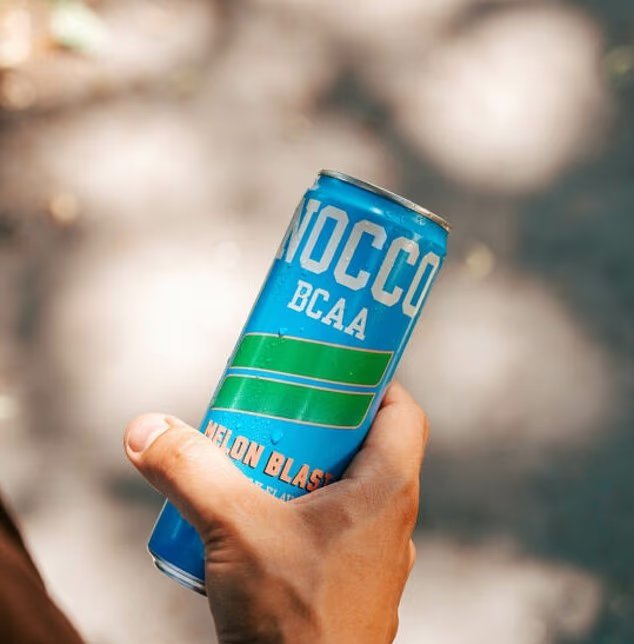
NOCCO BCAA Melon Blast
Nutritional information (per 330ml can)
Caffeine: 180mg
Calories: 15 kcal
Sugar: 0g
They say: NOCCO markets the drink as a sugar-free energy drink designed for active lifestyles and training. It contains caffeine, B vitamins and branched-chain amino acids (BCAAs), which the brand says help support energy metabolism and performance.
Rob Hobson says: BCAAs are amino acids – the building blocks of protein – which play a role in muscle metabolism. Most people already get sufficient amounts from foods such as meat, dairy or eggs. Because muscle repair relies on the full range of essential amino acids rather than just BCAAs, drinks like this may not offer much additional benefit for people with an adequate protein intake. The caffeine content is relatively high.
Health rating: 3/10
Best for maximum caffeine hit
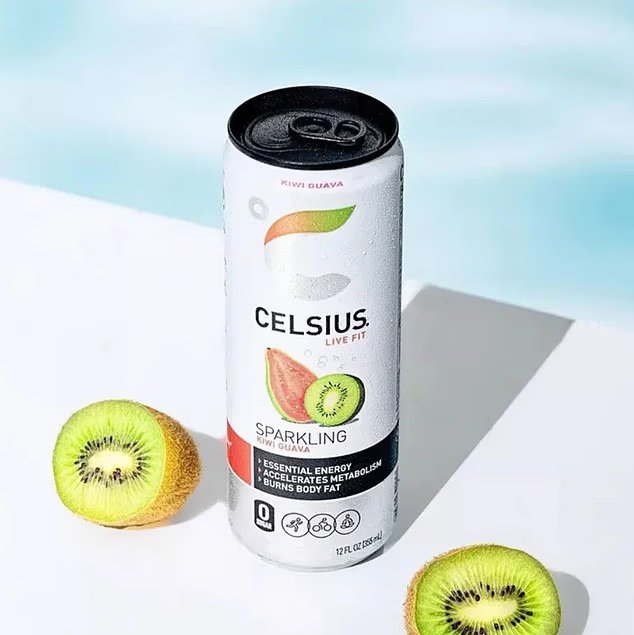
Celsius Energy Drink – Sparkling Kiwi Guava
Nutritional information (per 355ml can)
Caffeine: 200mg
Calories: 10 kcal
Sugar: 0g
They say: A zero-sugar energy drink containing natural caffeine from green tea and guarana. It also contains vitamins that ‘contribute to normal energy metabolism and reduction of fatigue’.
Rob Hobson says: Celsius contains one of the highest caffeine levels in this list at around 200mg per can, roughly equivalent to two strong cups of coffee. That may provide a noticeable boost in alertness but it is also close to half of the recommended daily caffeine limit for adults in the UK. The drink is sugar-free and fortified with B vitamins, which is linked to fighting fatigue, although caffeine is likely to be the main driver of the energising effect.
Health rating: 4/10
Best for fans of ‘natural’ energy drink branding
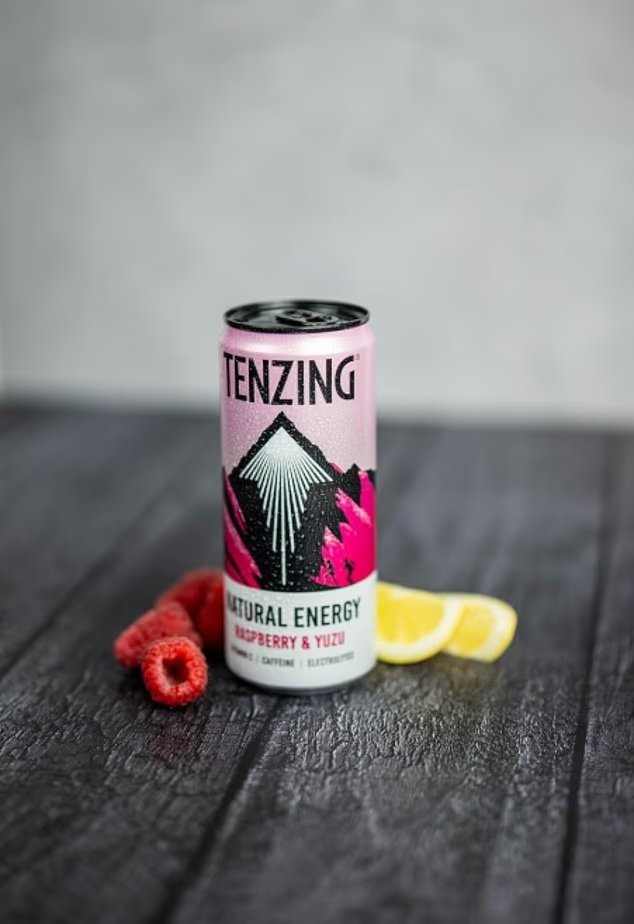
TENZING Raspberry & Yuzu
Nutritional information (per 330ml can)
Caffeine: 106mg
Calories: 63 kcal
Sugar: 14.9g
They say: A plant-based energy drink made with natural ingredients, including caffeine from green coffee and green tea. The brand says it also contains Vitamin C from acerola to support energy metabolism and electrolytes from Himalayan rock salt. It is marketed as a vegan, additive-free alternative to traditional energy drinks.
Rob Hobson says: Tenzing positions itself as a more natural energy drink as the caffeine comes from green coffee and green tea, but physiologically caffeine works the same regardless of its source. At around 106mg it sits in the moderate range, similar to a strong cup of coffee. The drink does contain nearly 15g of sugar, which contributes to its calories, and while the added electrolytes from Himalayan salt sound appealing, the amounts are likely to be quite small nutritionally.
Health rating: 4.5/10
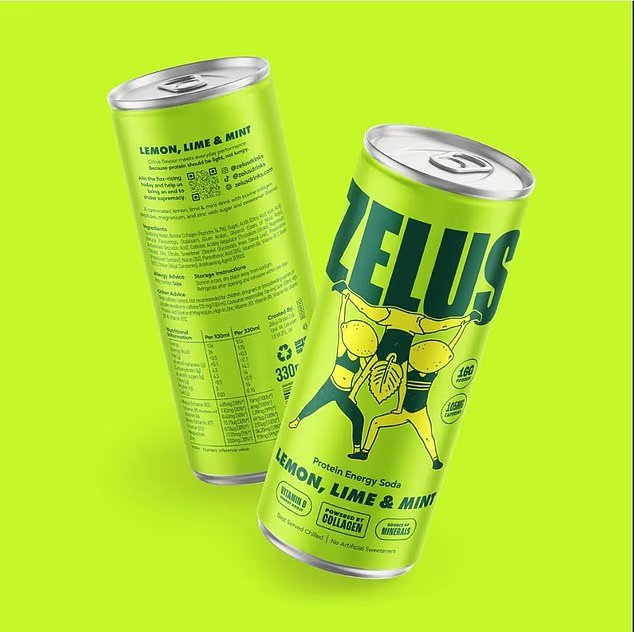
Best for a protein-energy hybrid
Zelus Lemon, Lime & Mint
Nutritional information (per 330ml can)
Caffeine: 105mg
Calories: 120 kcal
Sugar: 14g
They say: Zelus markets the drink as a functional beverage combining caffeine with collagen protein and electrolytes. The brand says the added B vitamins help support metabolism while the protein supports recovery.
Rob Hobson says: Zelus is unusual in the energy drink category because it contains around 17g of collagen alongside caffeine and electrolytes. Collagen counts towards overall protein intake but it is not considered a complete protein for muscle repair and growth because it lacks some essential amino acids. The drink also contains magnesium and potassium as electrolytes, although sodium is typically the main electrolyte lost through sweat during exercise.
Health rating: 5/10
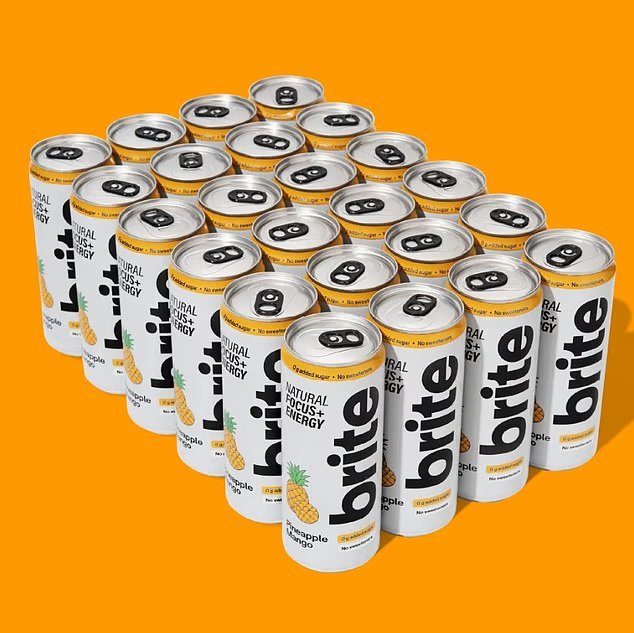
Best fruit-based energy drink
Brite Natural Energy Pineapple & Mango
Nutritional information (per 250ml can)
Caffeine: 80mg
Calories: 60 kcal
Sugar: 13.5g
They say: Brite describes the drink as a natural energy and focus booster made with fruit juice and caffeine from green coffee beans. It also contains green tea, matcha and guarana, with the brand claiming caffeine helps support concentration and mental performance.
Rob Hobson says: One notable feature is the relatively high fruit juice content, which provides natural sugars along with flavour. With around 13.5g of sugar per can it sits somewhere between fruit juice and a typical soft drink in terms of sugar levels. Even though the sugar comes from fruit juice rather than being added directly, it still counts as free sugar nutritionally because the fibre from the fruit has been removed.
Health rating: 5/10
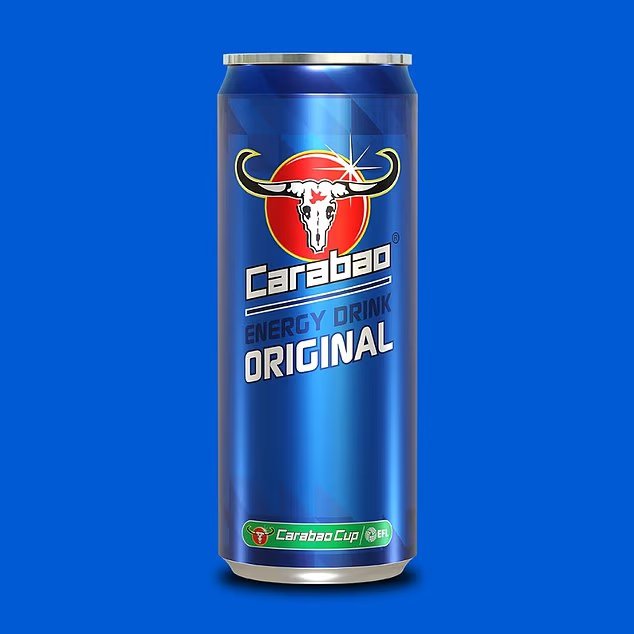
Best for a classic energy drink hit
Carabao Energy Drink Original
Nutritional information (per 330ml can)
Caffeine: 105mg
Calories: 40 kcal
Sugar: 9.2g
They say: Carabao is marketed as a traditional energy drink combining caffeine, taurine and B vitamins. The company says the vitamins help support normal energy-yielding metabolism.
Rob Hobson says: Carabao follows the more traditional energy drink formula of caffeine, taurine and B vitamins. The caffeine content is moderate at around 105mg per can, similar to a strong coffee. Taurine is commonly included in energy drinks and is thought to play a role in neurological and muscular function, although its effects in these drinks are still debated. The drink also uses sweeteners alongside sugar, which keeps calories relatively low while maintaining a sweet taste.
Health rating: 5.5/10

Best for fans of new-wave ‘nootropic’ drinks
Soba Circus
Nutritional information (per 330ml bottle)
Caffeine: 70mg
Calories: 60 kcal
Sugar: 12.9g
They say: A sparkling ‘nootropic’ drink made with botanical extracts, fruit juice and natural caffeine. Designed for mental focus and energy, combining ingredients such as ginseng, rhodiola and ginkgo with natural caffeine and Himalayan sea salt. Contains no artificial ingredients, sweeteners or preservatives.
Rob Hobson says: Nootropic is something of a buzzword in health foods at the moment – it means substances have been added that allegedly enhance cognitive performance, including memory, focus and motivation. Some of the ingredients used here have been studied although most research uses higher doses than are typically found in drinks like this. The caffeine content is moderate at around 70mg per bottle and it also contains nearly 13g of sugar from fruit juice, which still counts as free sugar nutritionally.
Health rating: 6/10
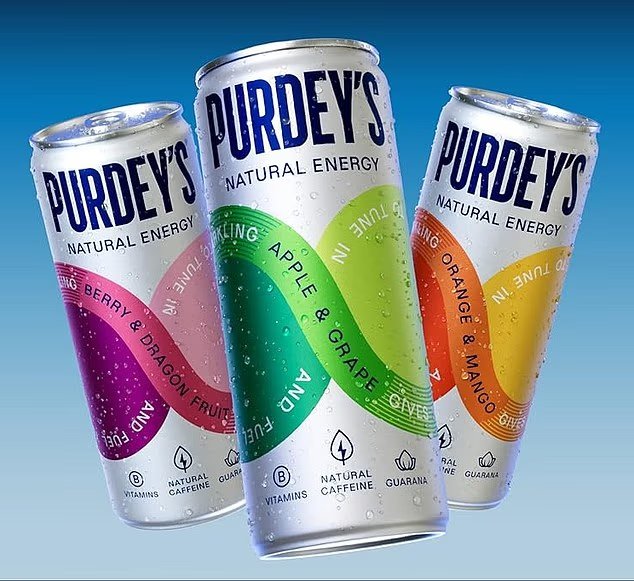
Best for a gentler caffeine lift
Purdey’s Natural Energy Apple & Grape
Nutritional information (per 250ml can)
Caffeine: 25 to 30mg
Calories: 50 kcal
Sugar: 10.5g
They say: A natural energy drink made with fruit juices, botanical extracts and vitamins. Added B vitamins and vitamin C help support energy metabolism and reduce tiredness and fatigue.
Rob Hobson says: Purdey’s differs from many energy drinks because it is largely based on fruit juice, which explains the natural sugars and calories. The caffeine content is relatively low at around 25 to 30mg, so it provides a milder stimulant effect than most energy drinks.
Health rating: 6.5/10
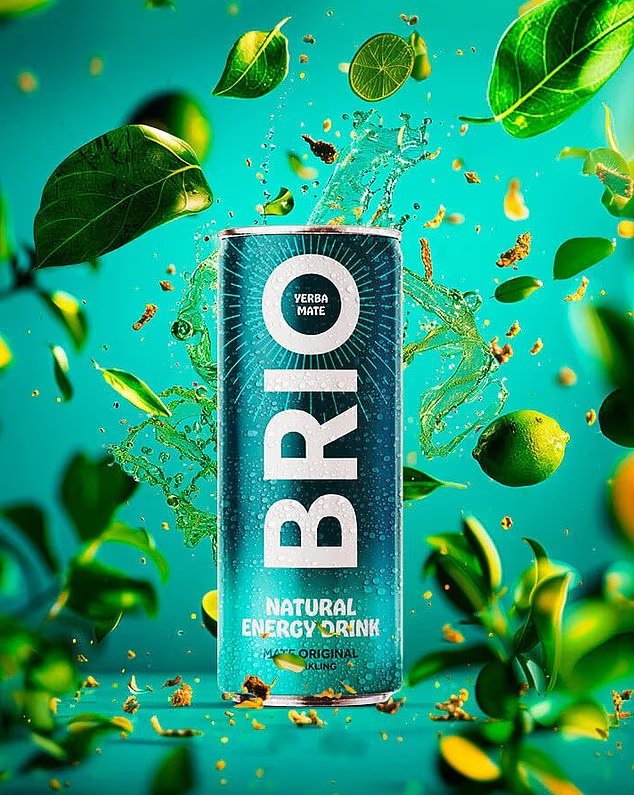
Best for a tea-style alternative
Brio Maté Organic Energy Drink Original
Nutritional information (per 250ml can)
Caffeine: 80mg
Calories: 35 kcal
Sugar: 8.8g
They say: Natural caffeine from organic yerba maté and black tea. It is marketed as a low-calorie organic energy drink that delivers sustained energy without the crash associated with conventional energy drinks.
Rob Hobson says: Brio is closer to a lightly sparkling iced tea than a conventional energy drink. It is based on an infusion of yerba maté, a caffeinated herbal drink made from the dried leaves and twigs of a South American relative of holly, and black tea, which naturally provide around 80mg of caffeine per can. As I’ve said, physiologically, caffeine is caffeine, wherever it’s coming from. But this is fairly low sugar and calorie.
Health rating: 7/10
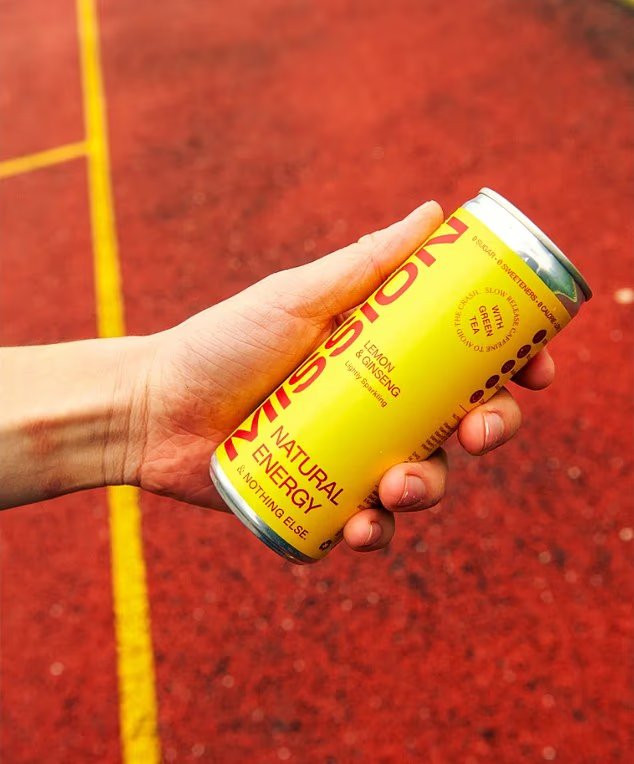
Best for people sensitive to caffeine
Mission Natural Energy – Lemon & Ginseng
Nutritional information (per 250ml can)
Caffeine: 20mg
Calories: 12
Sugar: 0g
They say: A light, sugar-free energy drink designed to provide sustained energy throughout the day. It combines vitamins, green tea and ginseng, which the brand says may help support concentration and reduce fatigue.
Rob Hobson says: This drink is much lighter in terms of stimulation than most energy drinks, with only around 20mg of caffeine per can, closer to a weak cup of tea than coffee.
Health rating: 7/10
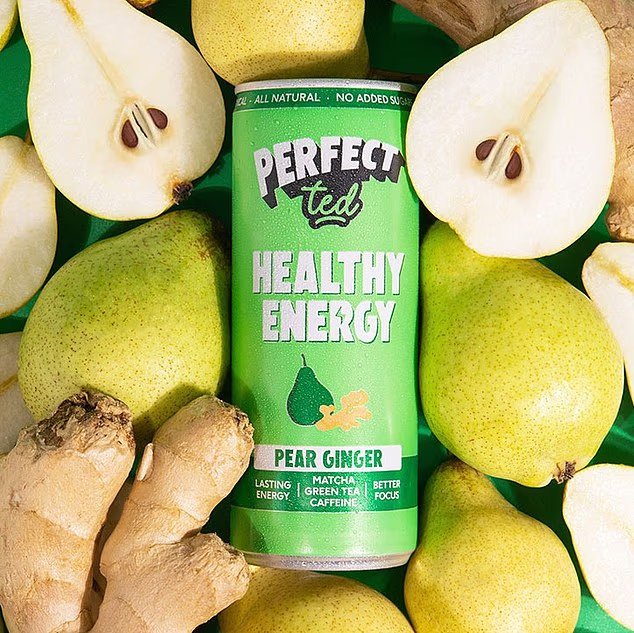
Best for a calmer caffeine boost
PerfectTed Health Energy Pear & Ginger
Nutritional information (per 250ml can)
Caffeine: 80mg
Calories: 30 kcal
Sugar: 6.8g
They say: PerfectTed says its energy drink uses ceremonial-grade matcha to provide natural caffeine alongside L-theanine to promote calm and focus.
Rob Hobson says: Matcha green tea naturally contains caffeine along with L-theanine, an amino acid that may help reduce some of the jittery effects people can experience with caffeine and promote a calmer form of alertness.
Health rating: 7.5/10
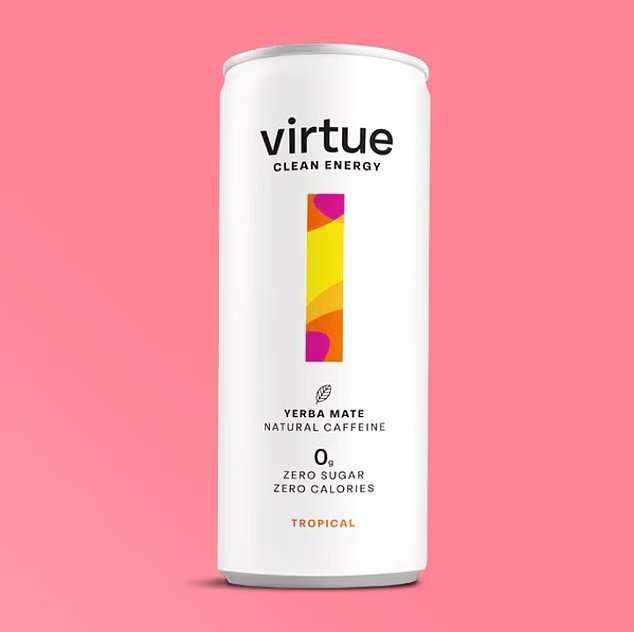
Best for a low-calorie caffeine boost
Virtue Clean Energy – Yerba Mate
Nutritional information (per 250ml can)
Caffeine: 80mg
Calories: 5 kcal
Sugar: 0g
They say: A ‘clean energy’ beverage powered by natural caffeine from yerba mate. It contains no sugar or sweeteners and is promoted as a low-calorie, plant-based alternative to conventional energy drinks.
Rob Hobson says: Virtue uses yerba mate as its caffeine source, which naturally contains caffeine alongside plant compounds called polyphenols. In practice the stimulant effect still largely comes from the caffeine itself.
Health rating: 8/10
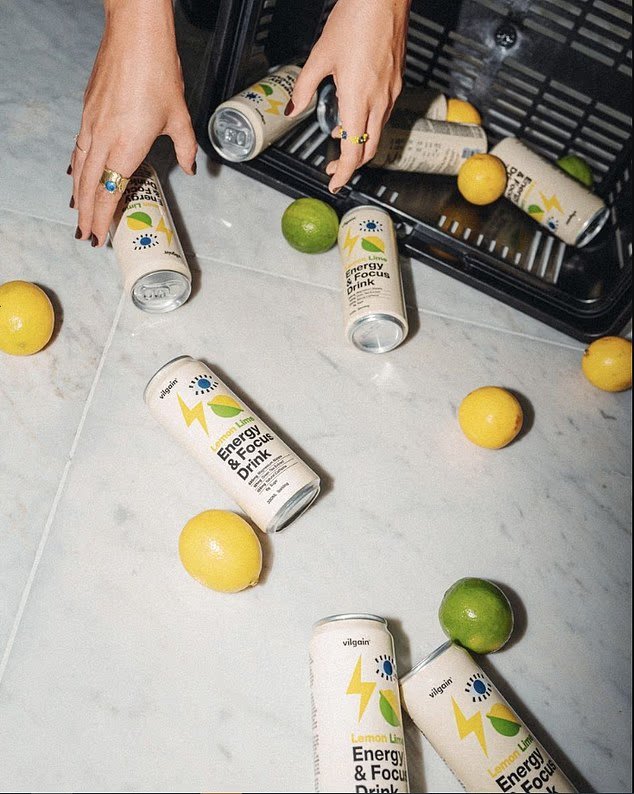
Best for low-calorie energy drink
Vilgain Energy & Focus – Lemon & Lime
Nutritional information (per 330ml can)
Caffeine: 106mg
Calories: 5 kcal
Sugar: 0g
They say: A simple natural energy drink made with just eight ingredients. It contains caffeine and green tea extract for alertness and magnesium to help reduce fatigue.
Rob Hobson says: Vilgain has a short ingredient list and no sugar. The caffeine content sits in the moderate range and avoids the extreme levels seen in some other energy drinks.
Health rating: 8.5/10
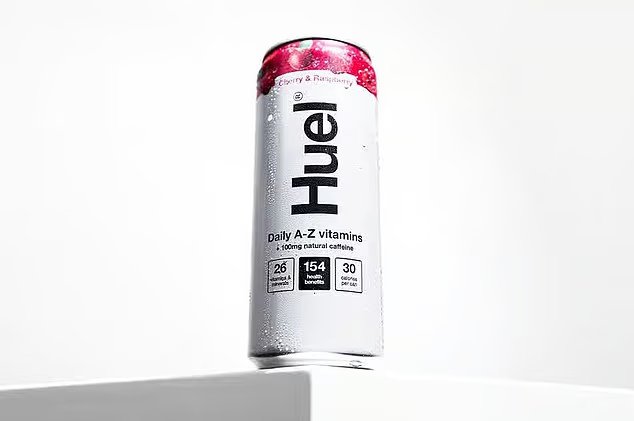
Best for the most balanced option
Huel Cherry & Raspberry Daily A–Z Vitamins + Natural Energy
Nutritional information (per 330ml can)
Caffeine: 65mg
Calories: 10 kcal
Sugar: 0g
They say: Provides a daily dose of A to Z vitamins and minerals alongside natural caffeine for energy. It is designed to support overall nutrition while helping reduce tiredness and fatigue.
Rob Hobson says: What makes this drink stand out is its broad vitamin and mineral blend, reflecting Huel’s focus on complete nutrition. It’s also very low in calories and contains no sugar, which may appeal to people trying to reduce their sugar intake.
Health rating: 9/10
How do they compare to a can of Monster Energy Original Green?
The best-selling energy drink Monster is often held up as an example of the ‘wrong’ type of energy drink. But just what’s in a can?
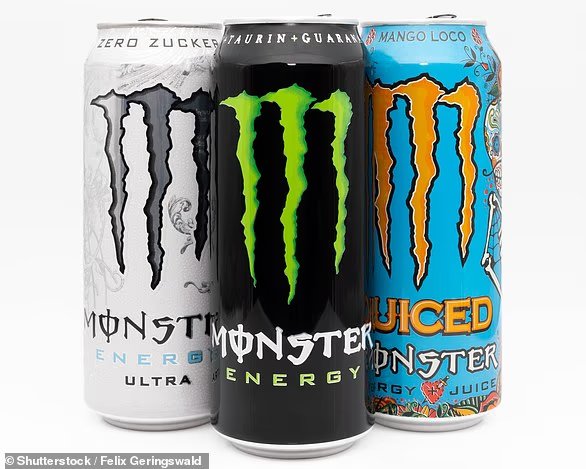
Monster Energy Original Green
Nutritional information (per 500ml can)
Caffeine: 160mg
Calories: 235 kcal
Sugar: 55g
They say: A carbonated beverage containing caffeine alongside taurine, ginseng, L-carnitine and B vitamins. The company says the formula is designed to provide an energy boost and help support metabolism.
Rob Hobson says: This is the traditional energy drink formula, combining caffeine with a large amount of sugar. The caffeine is similar to a strong coffee, but it has close to double the UK recommended daily limit for free sugars for adults, so best viewed as a very occasional drink. It also contains ingredients such as taurine, L-carnitine and glucuronolactone, along with B vitamins that contribute to normal energy metabolism, although the evidence that these ingredients meaningfully enhance energy or performance is limited, particularly at the amounts typically used in drinks.
Health rating: 2/10