
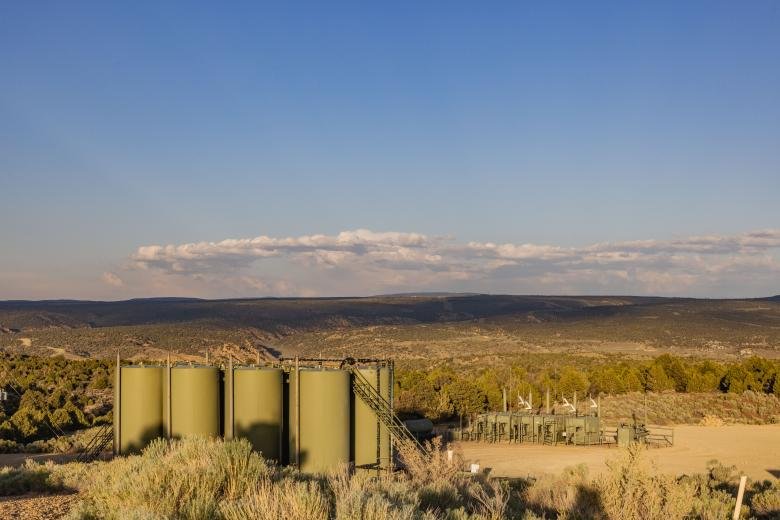
The U.S. Senate has passed a bill that would overhaul federal permitting processes for energy projects despite significant pushback from tribes and environmental groups over how it would limit public feedback and encourage development on public lands.
After passing 62-33 — with Colorado’s Democratic Senators split in the vote — it will now head to the House of Representatives.
Known as the Bipartisan American Affordability and Jobs Act of 2026, or BAAJA, the measure would alter processes under several bedrock environmental laws to make development easier and faster. This includes substantial changes to the Clean Water Act, the Endangered Species Act, the National Environmental Policy Act and National Historic Preservation Act.
Advocates of the bill have said it will bring overdue changes to permitting that will lower energy costs, bring new jobs and needed infrastructure and accelerate energy projects.
Those against it, however, have called it deeply flawed and warned that it will weaken critical environmental protections, cause irreversible damage to wildlife habitat and public lands and cede decision-making on those lands to corporations.
Sen. John Hickenlooper was among the 15 Democrats who voted with Republicans to pass the legislation late Thursday evening. Two Republicans voted against the measure alongside the chamber’s remaining Democrats, including Sen. Michael Bennet.
In a statement, Hickenlooper described the bill as “much-needed permitting reform” that would be a step toward upholding campaign promises made by Democrats in the November midterm.
“Bipartisan bills like this are rare,” Hickenlooper said. “Where we’ve landed isn’t perfection. But it is progress toward delivering on our promise to bring down prices, hold Big Tech accountable and stop the Trump administration’s attacks on clean energy. Our work with tribal nations and environmental groups doesn’t end with today’s vote. We’ll keep pushing to address their concerns.”
This echoes the senator’s statements during a Nov. 9 vote to push the legislation forward.
A spokesperson for Sen. Bennet said that Bennet voted against the bill on Thursday because his concerns were not addressed during the amendment process.
During the initial vote, Bennet said that he supported permitting reform to help build out the nation’s electric grid but that “the details matter.” He said there were significant concerns not addressed in the legislation.
“As drafted, the bill does not do enough to ensure sovereign tribal governments can protect their cultural resources and ancestral homelands, which they have stewarded since time immemorial,” Bennet said. “The bill also fundamentally overhauls how the federal government engages with the public and local communities as projects move through the permitting process. These changes must be vetted more thoroughly before passing into law.”
No amendments were made to the bill in between these votes to address the concerns by tribes and environmental groups. The New York Times reported that senators from both parties attempted to bring some amendments, including to alleviate tribal concerns that it would reduce tribal input through its changes to the National Historic Preservation Act. The Times reported that these changes were blocked by two Democrats in response to Republicans’ blocking their amendments, including motions to block data centers on public lands.
Melissa Simpson, president of the Western Energy Alliance, a trade group that represents industry interests in Colorado and 12 other western states, said in a statement that the bill represented a “generational choice” and an “important step” toward providing greater certainty for energy development and production.
“We must decide if we’re going to be builders or not. If we’re going to meet our nation’s energy needs or not,” Simpson said. “Reforming the nation’s outdated permitting system is critical to delivering affordable energy and growing jobs. Our nation’s economy can no longer sustain the strategy of activist groups to defer, delay and deny high-value energy and infrastructure projects.”
The Center for Western Priorities Executive Director Aaron Weiss, however, said In a statement the bill’s passage was “deeply disappointing.”
“Senators who promised westerners they would stand up for our public lands just voted for a bill that sells them out to Big Oil and Big Tech,” he said. “BAAJA will help (Department of the Interior Secretary) Doug Burgum and President Trump sell off public lands, as well as lock in drilling, mining and data center construction on them with terribly worded ‘permit certainty’ provisions that tie the hands of future presidents as well as the courts.”
Weiss added that the West deserves “real climate solutions” and a new permitting bill “that builds clean energy without sacrificing America’s public lands.”
This “certainty” is among the provisions environmental groups have flagged as concerning in the legislation, arguing the changes would fast track and lock in drilling, mining and data center development projects on public lands by disallowing agencies from modifying a permit or authorizations after they’ve been issued.
A group of 29 Colorado organizations opposing the changes wrote in a letter that this section “could be weaponized by fossil fuel and other extractive corporate interests to stockpile permits and other federal approvals during the pendency of the Trump administration,” as it takes actions to increase domestic energy development on public lands.
These reforms, the organizations added, would “compound the threats unleashed by the Trump Administration’s implementation of Project 2025,” which has already led to changes to environmental laws like the Clean Water Act and National Environmental Policy Act.
“In short, BAAJA could decimate the protection of Colorado’s cherished and irreplaceable public lands and leave tribal nations and the public with no way to stop the damage,” wrote the organizations. “The BAAJA would cede virtually all decision-making on those lands to powerful corporations, the fossil fuel industry, the data center industry, and foreign-owned mining companies while silencing the voices of tribal nations, communities, and ordinary people who cherish our public lands.”