(Bloomberg) — Moscow will respond to Ukraine’s ongoing attacks on oil refineries, with the situation on Russian domestic fuel market remaining challenging, according to President Vladimir Putin.
“Retaliatory actions on our part are inevitable, everyone should be aware of this,” Putin said late Tuesday at a meeting of the presidential commission on energy complex.
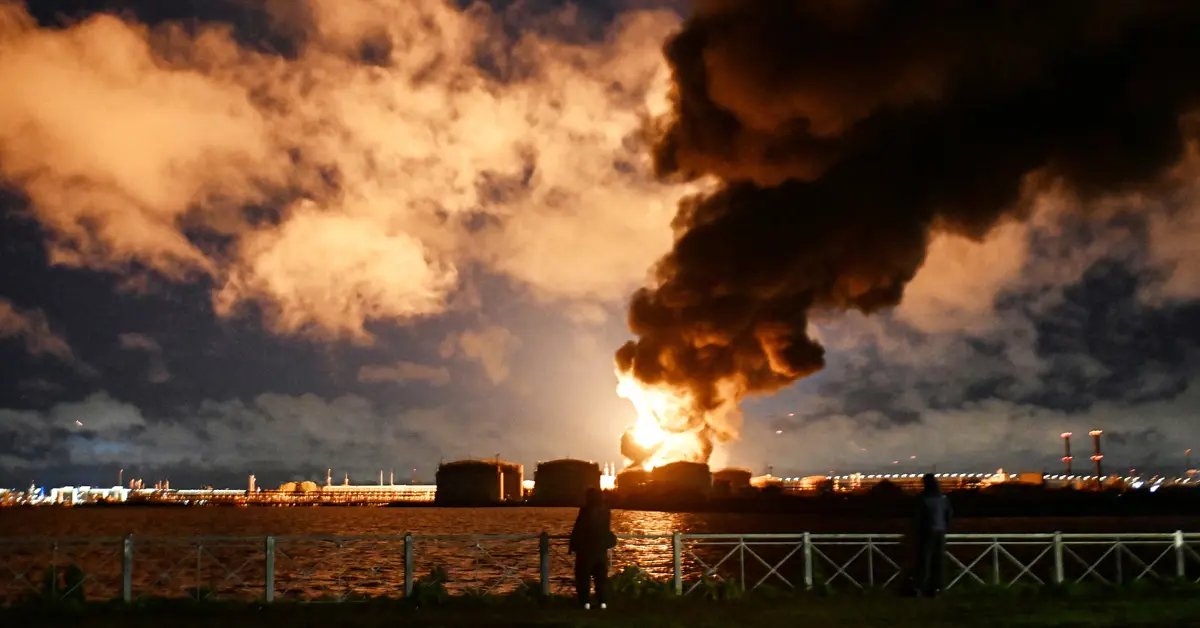
Ukraine launched a fresh wave of attacks on Russian refineries in late October and has been striking plants almost daily. At the same time, Moscow continues to hit key Ukrainian infrastructure, including ports, power stations and residential buildings.
With the Kremlin’s full-scale invasion into its fifth year, Kyiv’s campaign is aimed at curbing Moscow’s energy revenues and increasing the costs of war for ordinary Russians, who have faced several fuel shortages since summer.
So far this month Ukraine has attacked 15 Russian oil refineries, according to a Bloomberg tally based on statements from officials in both nations and people familiar with the incidents. The sites have a combined nameplate capacity of more than 3.6 million barrels a day — more than half the country’s total capacity, Bloomberg calculations and government data show.
“The current situation on the domestic oil-product market remains challenging,” Putin said. He called on officials and companies to “further promptly react” to the supply and demand balance and continue “systemic work” to strengthen the protection of energy facilities.
To stabilize domestic markets, measures have been taken including export restrictions on jet fuel and gasoline, the importation of fuels and changes to logistics, Putin said. Some diesel supplies to global markets have been allowed following an agreement with US President Donald Trump.
Separately, Putin said Russia will expand its markets and also emphasized the need “to further comprehensively develop new energy supply routes” as Europe further restricts imports of Russian energy. Liquefied natural gas from the country cannot be imported into the bloc from the start of next year, according to European Union legislation, and all imports of pipeline gas from the nation should stop by November 2027.
©2026 Bloomberg L.P.