The festival aims to promote renewable energy solutions, encourage policy and investment commitments.
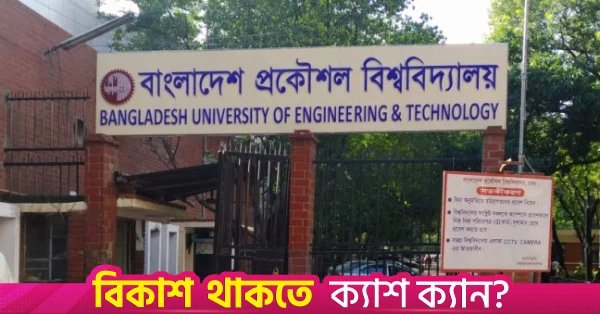
Bangladesh University of Engineering and Technology (Buet). Photo: Collected
“>
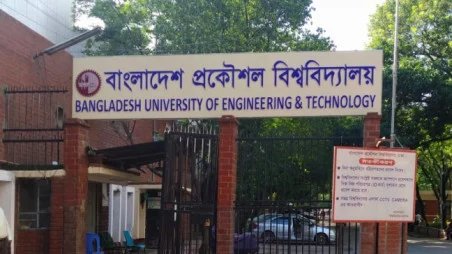
Bangladesh University of Engineering and Technology (Buet). Photo: Collected
The second Renewable Energy Fest 2026 began at Bangladesh University of Engineering and Technology (Buet) today (26 October), bringing together youth organisations, researchers, civil society groups and energy-sector stakeholders to accelerate Bangladesh’s transition to renewable energy.
The three-day festival, themed “Towards a Just, Green and Inclusive Energy Transition”, is being held at Buet’s Central Field from 26 to 28 October through a joint initiative of ActionAid Bangladesh, the Just Energy Transition Network Bangladesh (JETnet-BD), Buet and its Institute of Energy and Sustainable Development (IESD).
According to the organisers, 96.37% of Bangladesh’s installed power generation capacity depends on fossil fuels, while solar, wind and hydropower together account for just 3.63%, citing the BPDB Annual Report 2024-25.

The festival aims to promote renewable energy solutions, encourage policy and investment commitments, and ensure that women, youth, workers, indigenous peoples and marginalised communities have a voice in the transition.
As part of Monday’s pre-festival activities, around 200 representatives of youth networks, civil society organisations and climate justice groups marched from the Shaheed Minar to Buet’s Central Field under the banner “Power to the People: A Call for a Just Energy Transition”. Youth organisations also staged a flash mob at the venue.
Speaking at a pre-festival press meet, Abul Kalam Azad, manager of Just Energy Transition at ActionAid Bangladesh and member secretary of JETnet-BD, said the festival aimed to move beyond discussion and translate ideas into concrete action.
He identified financing gaps, land availability, institutional coordination and support for households, small businesses, farmers and community-based initiatives as key challenges to expanding renewable energy in Bangladesh.
The organisers said the government’s Renewable Energy Policy 2025, a target of installing 10,000MW of solar power by 2030 under the Renewable Energy Development Strategy 2026-30, and incentives for rooftop solar had created fresh momentum.
However, they said a more inclusive transition would require stronger policy coordination, greater investment and wider participation by communities affected by energy-related decisions.
The festival’s inaugural ceremony is scheduled for 10am tomorrow (27 October), with Iqbal Hassan Mahmood, MP and minister for power, energy and mineral resources, expected to attend as chief guest.
The second day will feature a dialogue with an Australian clean energy delegation, Buet’s Energy Talks, a discussion on industrial decarbonisation and workers’ rights led by Oxfam, and a poster presentation organised by IESD.
An “Innovation to Impact Marketplace” will connect selected innovators with investors, financial institutions and potential partners to explore opportunities to develop renewable energy solutions and bring them to market.
On Wednesday, four policy dialogues will focus on energy policy and governance; renewable energy financing and investment; innovation, technology and infrastructure; and social and environmental safeguards and sustainability.
The festival will conclude with an awards ceremony featuring three Innovation Awards and three Poster Awards, followed by a puppet theatre performance on a just energy future.
The organisers said last year’s inaugural festival attracted more than 700 registered participants and featured six policy dialogues, 22 innovations and 31 technologies.
This year’s event also includes an Innovation Fair, a Technology Fair, a People & Power Hub and a Youth Hub, offering opportunities for innovators, entrepreneurs, government agencies, financial institutions and communities to connect.
The organisers expect the festival to generate a policy and investment agenda centred on energy justice, strengthen regional cooperation across South and South-East Asia, and establish a post-festival action plan with clear accountability.