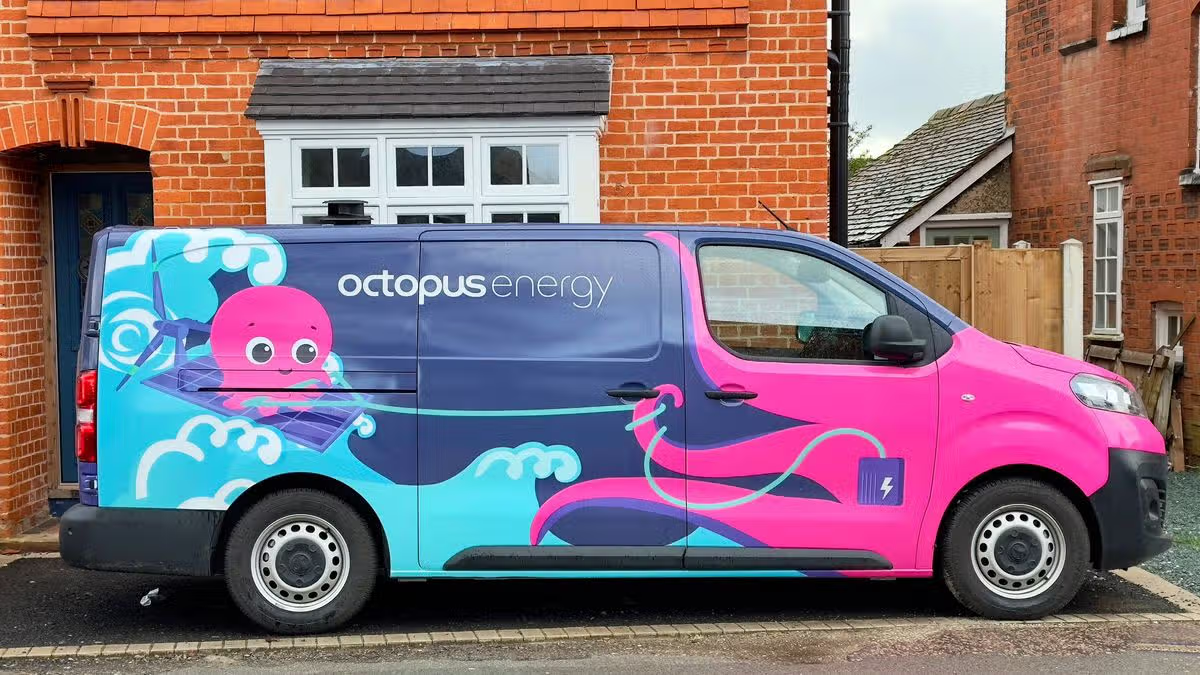
Octopus Energy recommends switching to the common item, noting that it uses less electricity
The cost-of-living crisis is piling pressure on household budgets nationwide, and Ofgem’s latest price cap is pushing energy bills higher for homeowners across the UK. To avoid paying more than they need to, many are searching for energy-saving gadgets, tips and tricks to keep costs down during these difficult times.
Listening to advice from trusted experts like Martin Lewis can prove invaluable, as can following guidance from energy suppliers themselves. Octopus Energy is officially the largest household energy supplier in Great Britain, overtaking Centrica-owned British Gas.
The company has built a reputation for its highly-rated customer service, an array of innovative smart tariffs, and a robust focus on renewable energy. To offer further support to cash-strapped homeowners, Octopus Energy has published a list of practical ways they can trim money off their monthly bills.
One suggestion is to swap out existing light bulbs for more energy-efficient alternatives. LED bubs are the most economical option, using up to 80 per cent less electricity than conventional bulbs.
The long-term savings from lower energy use and reduced need for replacements also make them the most cost-effective choice. On its ‘energy saving tips: save over £500 on your energy bills’ webpage the energy supplier says: “Be bright with your lights. LED’s use 80% less electricity and last 20x longer than halogen bulbs – you could save £45.”
It adds: “Simply switching off your lights when you leave a room could save you around £8 a year on energy bills.”
Given how strongly the energy provider advocates for LED bulbs, it’s worth checking which type of bulbs you currently have at home and whether they’re due for an upgrade. LED bulbs needn’t break the bank either, with numerous homeware retailers stocking them, including B&Q, Toolstation, Screwfix, Argos, IKEA, The Range, and Amazon.
For those hunting a bargain, Amazon shoppers can pick up a six-pack of ‘warm white’ Linkind E27 LED Bulbs for £17.99, as one example. Not only do these bulbs save over 93% energy, according to Amazon, but when broken down, they work out at just £3 per bulb for this pack.
The Linkind E27 LED bulbs are incredibly energy-efficient and would help keep lighting electricity bills as low as possible. They hold a Class A energy rating under the strict, updated UK/EU guidelines, which represents the highest tier of lighting efficiency available on the market today.
According to Octopus Energy, the Energy Savings Trust provides extensive information on its website regarding LED bulbs. One statement online states: “LEDs are the most common type of light bulb available. They’re the most energy efficient, turn on instantly at full brightness, and are available to fit pretty much any light fitting in the home.”
It adds: “LEDs are by far the most energy-efficient light bulbs. LED light bulbs are just as powerful as halogen lights but use 80 per cent less electricity to do so. Also, LEDs last significantly longer than halogen bulbs-up to 20x longer in many cases-so you may not need to replace them for many years.”