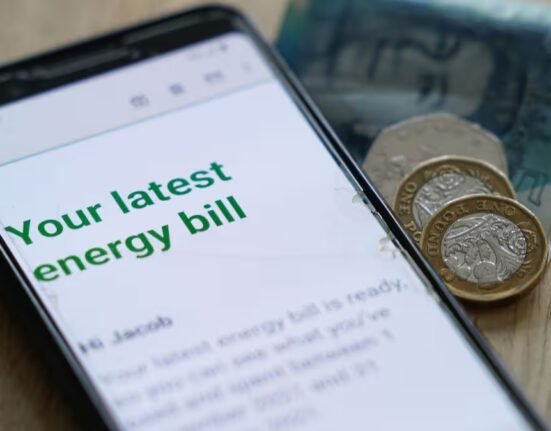
While regulator Ofgem is expected to reduce the energy price cap by around 6–7% from April 1 – bringing the typical annual bill down to roughly £1,641 – Lewis says the real opportunity may lie in acting before then.
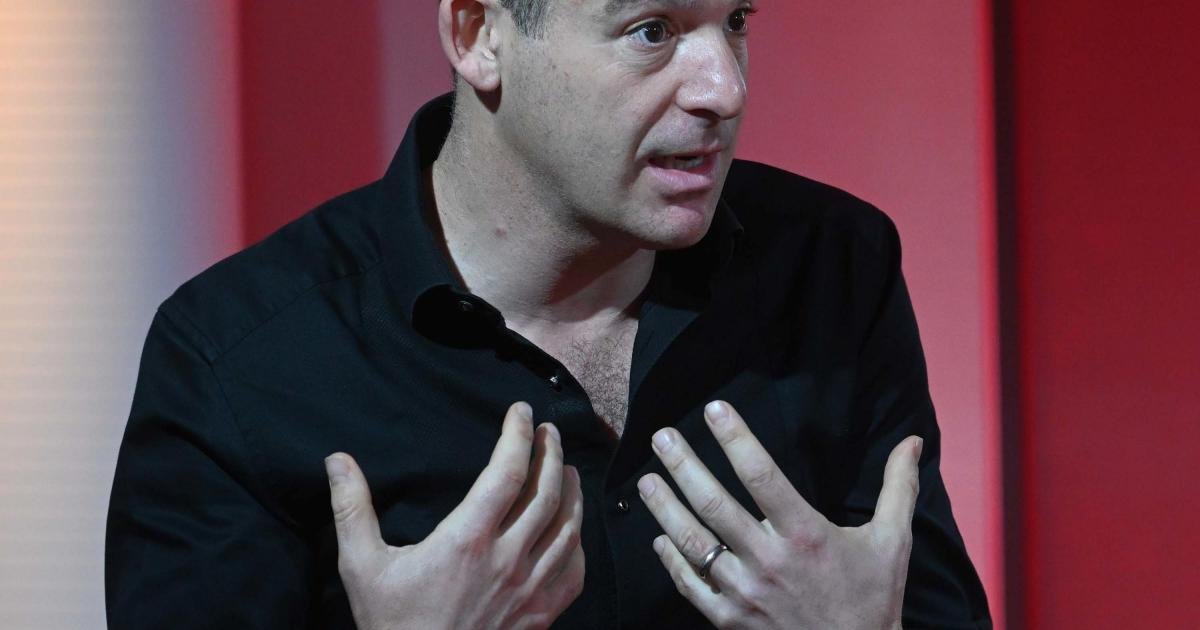
“Should you fix now? Wait till prices come down?” he said, on his ITV1 Martin Lewis Money Show.
“No, you should do it now, because you’ll be saving now, as long as it’s a cheap fix, and your fix will probably get cheaper in April too.”
No show this week, but the wait is worth it! That’s right, next week is all Energy and what that means for you! ⚡️
We have the boss of Ofgem joining us in the studio ahead of the upcoming price cap announcement ‼️📢
Have an energy question? Comment below or email us at… pic.twitter.com/td75b2LyGX
— The Martin Lewis Money Show Live (@itvMLshow) February 17, 2026
The Energy Price Cap Cut: What it really means for bill-payers
Chancellor Rachel Reeve, confirmed in her autumn budget that energy bills would fall by an average £150 from April, largely by scrapping the Energy Company Obligation (ECO) scheme and shifting some renewable levies into general taxation.
But Lewis says the headline figure can be misleading: “What’s really going to happen is your unit rate on electricity will come down by about three and a half pence, and your gas unit rate will come down by about 0.35 pence.”
Breaking it down, he adds: “That is made up of shifting some of the cost to renewables onto general taxation, that’s about £90 of the typical £150 and £60 is getting rid of the Eco scheme and taking that off bills.”
Rising network costs will offset part of the saving:
“Some network costs are going up, and that’s taking away a little bit of the gain, but it’s still around 6% of a typical bill,” he says.
Simon Francis, co-ordinator of the End Fuel Poverty Coalition, emphasises that households should look at unit costs and standing charges, not just the headline average.
“We know that energy bills can be confusing and trying to decide when to switch tariffs or change supplier is a big decision which can overwhelm people.
“As well as setting the price cap, Ofgem should play a greater role in ensuring that the tariffs reaching the market are fair and don’t discriminate against specific customer groups.”
He adds: “Sadly the responsibility currently falls to households to pay careful attention to any changes in their unit costs and standing charges.”
Which is exactly why Martin Lewis stresses acting early on a fixed deal can make a real difference.
Martin Lewis points out that many households don’t realise they are on it: “Two thirds of you are already on the price cap… the I’ve not switched tariff, the I came off my fix and didn’t act tariff, you are on the price cap.”
And he doesn’t hold back on his opinion: “If you do nothing, you go into the energy price cap, which I call the energy pants cap, because it is pants.”
Why fixing could beat the Energy Price Cap, even if it falls by 7%
Current cheapest fixed deals are roughly 15% below the existing price cap. Even once April’s cut lands, fixed tariffs are expected to remain slightly cheaper.
Lewis explains: “If you fix now, your rate will drop in April… the fixed rate should be slightly cheaper.”
This means:
- Immediate savings compared to the current cap
- Likely further reduction in April
- Protection if wholesale prices spike later
He notes that forecasting further ahead involves “crystal ball gazing”, but market predictions suggest relative stability through 2026.
Recommended reading:
What bill-payers should do next
- Check if you are on a standard variable tariff (price cap).
- Compare whole-of-market fixed deals.
- Look at unit costs and standing charges, not just headline averages.
- Consider early exit fees before switching.
As Lewis puts it: “Does that make sense? Yes? Good. Do.”