E.ON has shared simple boiler and thermostat hacks that could save you money on your energy bills without sacrificing warmth during the cold weather
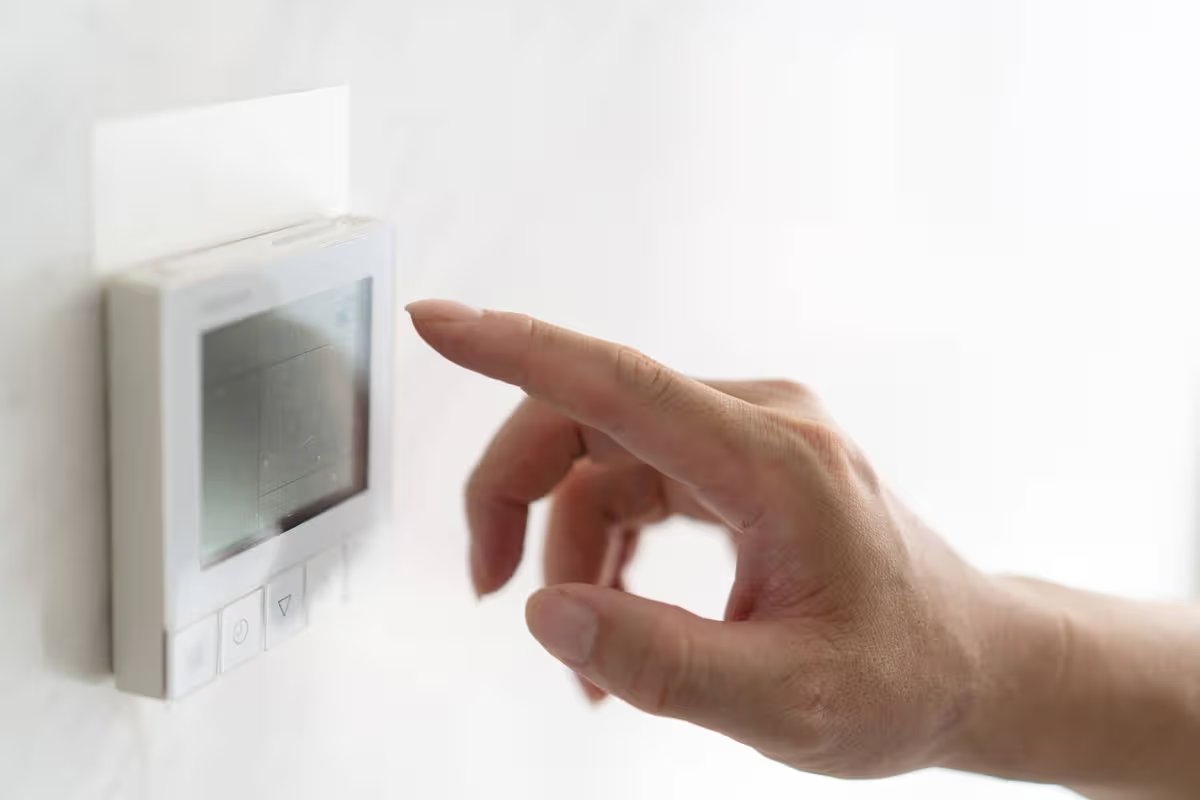
A simple tweak to the boiler can cut energy bills(Image: dowell via Getty Images)
There’s a fine balance between maintaining a cosy home and watching your energy costs spiral out of control. With another icy spell approaching, numerous households will be switching on their central heating for warmth.
Nevertheless, energy prices remain high, prompting many of us to carefully track our consumption. Fortunately, several straightforward techniques can reduce costs while maintaining comfortable indoor temperatures.
There’s also a little-known boiler tip that can slash bills with a single adjustment.
Energy firm E.ON has provided guidance for Britons as Storm Chandra arrives. Phil Gilbert, E.ON Next’s Director of Net Zero Delivery, has revealed a simple trick for those with combination boilers.
He recommends reducing expenses and staying cosy by adjusting your hot water settings, reports the Express.
The specialist explained: “The flow temperature on most boilers is automatically set to 65°C but if you have a combi boiler, try lowering it to 60°C.”
“You’ll still have enough hot water to heat your radiators and have a warm shower, while saving money on your heating bills.”
This minor temperature adjustment will positively impact your bills without any noticeable difference to your home’s warmth. For additional savings, Phil suggests setting your household thermostat to the lowest temperature that remains comfortable for you.
He continued: “Ideally, somewhere between 18 and 21°C. Turning your thermostat down by just one degree could save you 5% on your energy bills each year, which is approximately £90 on average for a typical home when going from 22 to 21°C.”
Numerous energy providers now supply smart meters, enabling households to track their spending as it happens. This allows you to identify precisely what’s driving up your costs.
Families have also been advised to ensure their properties are properly sealed against draughts, preventing warmth from escaping.
It’s worth checking the efficiency ratings of household appliances, as older models typically consume more energy and could be inflating your bill unexpectedly.
To maximise the warmth generated by your radiators, reflective panels can be fitted behind them, redirecting heat into the living space instead of being absorbed by the wall.
Phil added: “During the darker, colder months, energy use tends to increase, which can add extra financial pressure, but even small changes around the home can make a big difference.”