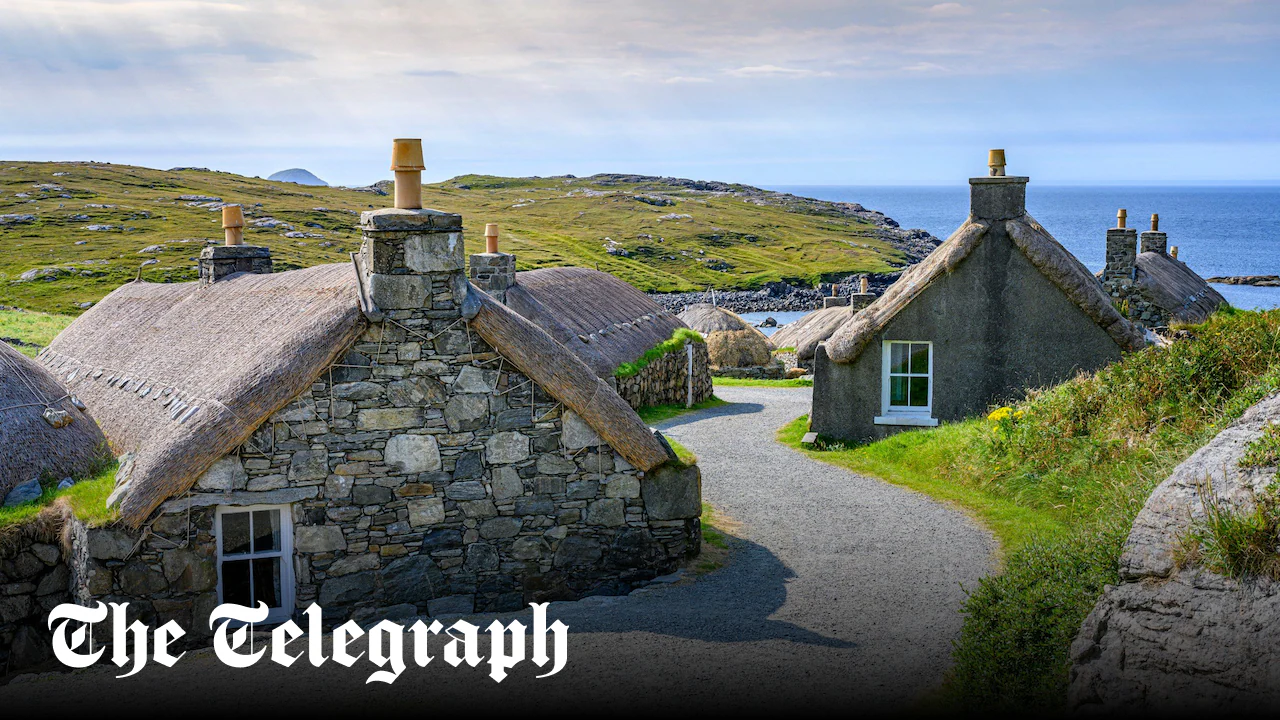
Chris Humphreys is glad of two things.
The first is that the energy crisis engulfing the world struck in spring and not winter. The second is that he filled his oil tank just before the Middle East conflict sent the cost of 500 litres of heating oil soaring from £350 to about £650.
Humphreys, a semi-retired gardener who lives on the Isle of Lewis in the Western Isles (or Outer Hebrides), expects this most recent order to last him two and a half months.
“I’ve got maybe six weeks in the tank before I have to fill up again,” he says. “But you get through it in no time.”
Households across Britain are bracing for an energy price shock triggered by the US-Iran war, but in the Outer Hebrides the impact of the energy crisis is already hitting people’s pockets hard. Their troubles offer a worrying glimpse into the future that those on the mainland face if dire predictions of extreme price rises come to pass.
The vast majority of the 26,000 people who live on the chain of islands off the north-west coast of Scotland have no access to the gas grid. This leaves them reliant on other, more expensive heating sources.
About 60pc of households in the area use oil to warm their homes. After the outbreak of war, the price of kerosene leapt from around 70p a litre to £1.30 in a matter of weeks, doubling the cost of filling up an oil tank.
Even before the conflict, the archipelago was in deep trouble. The Western Isles have the highest levels of fuel poverty in the UK.
Four out of five households struggle with their energy bills, and half of homes spend more than 20pc of their income on heating their homes, according to Tighean Innse Gall, an agency that advises struggling residents.