The energy price cap is the ‘maximum amount’ that energy suppliers can charge you for each unit of energy

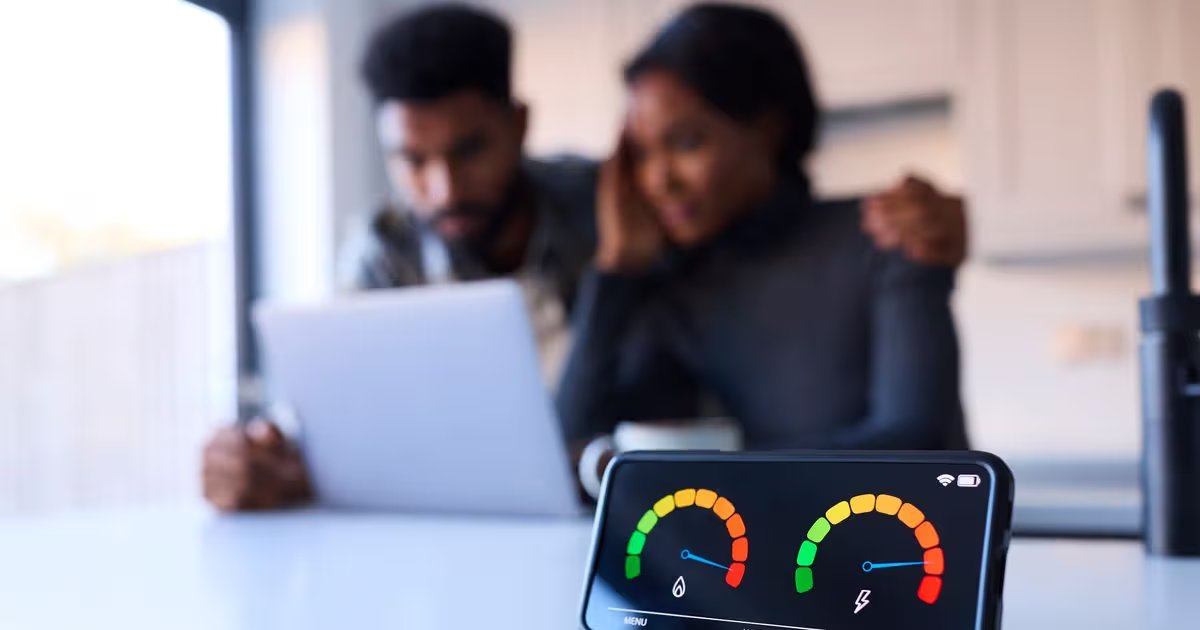
It’s unclear whether the price cap will rise or fall between April 1 and June 30, 2026 (stock image)(Image: Monkey Business Images/Getty Images)
Ofgem will announce its updated energy price cap this week, with the new rates taking effect in the coming months. The regulator previously raised this amount between January 1 and March 31, 2026, which meant that typical dual-fuel households paid around £1,758 annually.
While this represented a 0.2 per cent increase from the previous number, it is still £20 higher than the level between January and March 2025. It is currently unclear whether the price cap will rise or fall between April 1 and June 30, 2026, though some forecasts predict it may decrease.
The new price cap is due to be revealed by the end of today (Feb 25) and will come into force 35 days later on April 1, 2026. Following the most recent energy price cap announcement for January, Tim Jarvis, director general, markets, at Ofgem, advised: “The price cap helps protect households from overpaying for energy. But it’s only a safety net and there are practical ways that customers can pay less for their energy.
“Look at different tariffs and choose what’s right for you or change the way you pay to Direct Debit or smart pay-as-you-go. Prepayment remains the cheapest way to pay, and these customers are already saving around £47 on average.
“While wholesale energy costs are stabilising, they still make up the largest portion of our bills which leaves us open to volatile prices. That’s why we’re working with government and industry to boost clean energy and reduce our reliance on international sources we can’t control.”
Ofgem explains that its energy price cap is the ‘maximum amount’ that energy suppliers can charge you for each unit of energy and the ‘standard charge’ if you are on a standard variable tariff. While Ofgem will announce a general estimate for what ‘typical’ households might pay, the exact rate varies based on factors like your location, the type of meter you have, and your payment method.
READ MORE: Financial Ombudsman issues ‘easier for fraudsters’ warning on investment scamsREAD MORE: ‘I have to pay £8K for private op with the same NHS surgeon to keep my job’
Not everyone is affected by Ofgem’s price cap, but those on a default tariff who pay for electricity and gas by standard credit, Direct Debit, prepayment meter, or Economy 7 meter are generally affected.
Official guidance from Ofgem adds: “The actual amount you pay will depend on how much energy your household uses, where you live and the type of meter you have.
“You could pay less for your energy by changing your energy tariff or payment type. Find out if you can change or fix your tariff and how to switch energy supplier. Tell your energy supplier if you cannot pay your bills. They must help you if you ask. They could set up a repayment plan or provide you with emergency credit.”
Despite January’s price cap increase, the Autumn Budget saw the UK Government pledge to take ‘around £150 off energy bills on average from April’ to tackle cost-of-living issues.
The statement, released in November, reads: “Families across the UK are feeling the squeeze of still too high inflation. The Budget delivers a set of measures to remove around £150 of costs on average from household energy bills from April next year.
“Energy costs will be reduced by the ending of the Energy Company Obligation, which is currently funded through bills, and through the government funding 75 per cent of the domestic cost of the legacy Renewables Obligation for three years.
“This is on top of extending the £150 Warm Home Discount to a further three million of the poorest households.”
Ensure our latest headlines always appear at the top of your Google Search by making us a Preferred Source. Click here to activate or add us as your Preferred Source in your Google search settings.