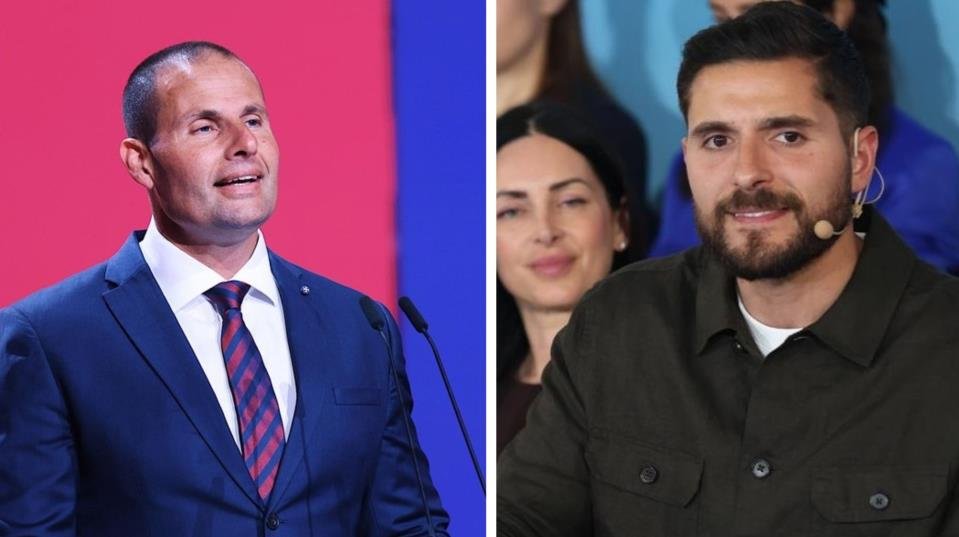
The third full day of Malta’s election campaign exposed a clear divergence in how Prime Minister Robert Abela and Opposition leader Alex Borg frame both the role of the state and the priorities for the coming legislature. While both leaders placed social wellbeing and healthcare at the centre of their messaging, their approaches differed markedly in scope, delivery, and political tone.
Abela’s intervention was expansive, presenting a wide-ranging set of measures that touch multiple stages of life, from childhood to old age. His flagship proposal – a €20,000 grant for persons with disabilities purchasing their first home—fits within a broader narrative centred on inclusion, dignity, and state support. This was reinforced by the introduction of personalised budgets for persons with disabilities, designed to tailor financial support to individual needs. The emphasis here is on direct assistance, with the state acting as both enabler and provider.
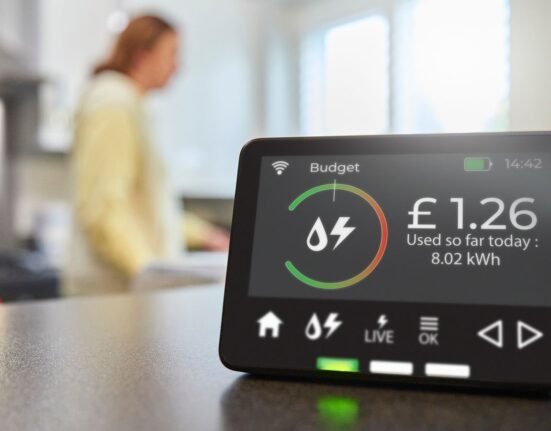
However, a more defining element of Abela’s message on this third day was energy policy, which he framed as both an economic safeguard and a strategic national priority. He placed significant emphasis on the government’s decision to maintain stable fuel and electricity prices despite international pressures, arguing that subsidies remain essential to protect households and businesses from volatility. This argument was supported by references to global energy instability, positioning Malta as an exception due to sustained government intervention.
Abela linked this short-term stability to a longer-term infrastructure strategy. He reiterated that the second Malta-Sicily interconnector is nearing completion and confirmed plans for a third interconnector, presented as a key step in diversifying energy sources and strengthening security of supply. These projects were framed not simply as technical upgrades, but as part of a broader effort to reduce dependence on external shocks and ensure continuity in energy provision.
This forward-looking approach was further reinforced by targets to increase renewable energy generation to 25% by 2030 and by proposals to expand access to clean energy solutions, including schemes for households without suitable rooftops for solar panels. The ambition for Gozo to become carbon-neutral also featured as part of this longer-term vision. In this context, energy policy becomes central to Abela’s broader narrative: a strong state not only cushions immediate pressures but also invests heavily to secure future resilience.
This same philosophy extends across his wider proposals. Measures such as expanded therapy coverage, free gym access for individuals with medical conditions, and swimming programmes for children illustrate a model that prioritises universal accessibility and preventative wellbeing. His economic messaging complements this approach, presenting stability as a direct outcome of sustained public investment.
Abela also sought to project continuity and long-term planning. His references to infrastructure projects, energy diversification, and the relaunch of media reform legislation suggest a government that intends to build on existing frameworks rather than radically alter direction. Even on more contentious issues, such as planning reform, his tone was cautious, emphasising consensus and gradual progress. This reinforces an image of managerial governance, focused on incremental change and broad-based support.
By contrast, Borg’s messaging was more targeted and reform-driven, with a strong emphasis on restructuring – particularly in healthcare, a subject that has dominated the PN’s political message in these first days of the campaign. His proposals centred on reorganising the system to improve efficiency and patient experience. Initiatives such as care navigators, a real-time command centre, and a unified digital health record system reflect a technocratic approach, prioritising coordination and accountability over direct financial benefits.
Where Abela spoke of expanding services and insulating the economy from external pressures, Borg focused on redesigning delivery. His plan to decentralise healthcare through new hospitals and regional hubs aims to address persistent bottlenecks, particularly overcrowding at Mater Dei. Similarly, his commitment to phase out Mount Carmel Hospital and replace it with modern, community-based mental health services signals a willingness to undertake more disruptive reform.
Borg also placed greater emphasis on workforce conditions and long-term sustainability. Proposals to improve pay for health workers, increase stipends for students, and offer tax incentives to returning professionals highlight concerns about retention and capacity within the system. This contrasts with Abela’s more patient-focused measures, suggesting a different prioritisation of where intervention is most needed.
Politically, Borg adopted a more confrontational tone. He framed the early election as a tactical move by Labour and accused the government of blurring the line between party and state. This line of attack seeks to position the PN as a corrective force, offering a “fresh start” rather than continuity. Abela, on the other hand, largely avoided direct confrontation, instead emphasising achievements and stability, while contrasting current conditions with past Nationalist administrations.
Despite these differences, there are areas of convergence. Both leaders highlighted mental health as a priority and acknowledged the need for modern infrastructure. Both also framed their proposals in terms of dignity and improved quality of life. However, the means by which they intend to achieve these goals diverge significantly.
Abela’s approach is characterised by breadth and immediacy, underpinned by an assertive energy policy designed to shield and stabilise. Borg’s strategy is narrower but deeper, focusing on reforming how key services operate, particularly within healthcare. The contrast ultimately reflects two distinct governing philosophies: one centred on continuity, intervention, and wide-ranging support, and another on structural change and targeted transformation.