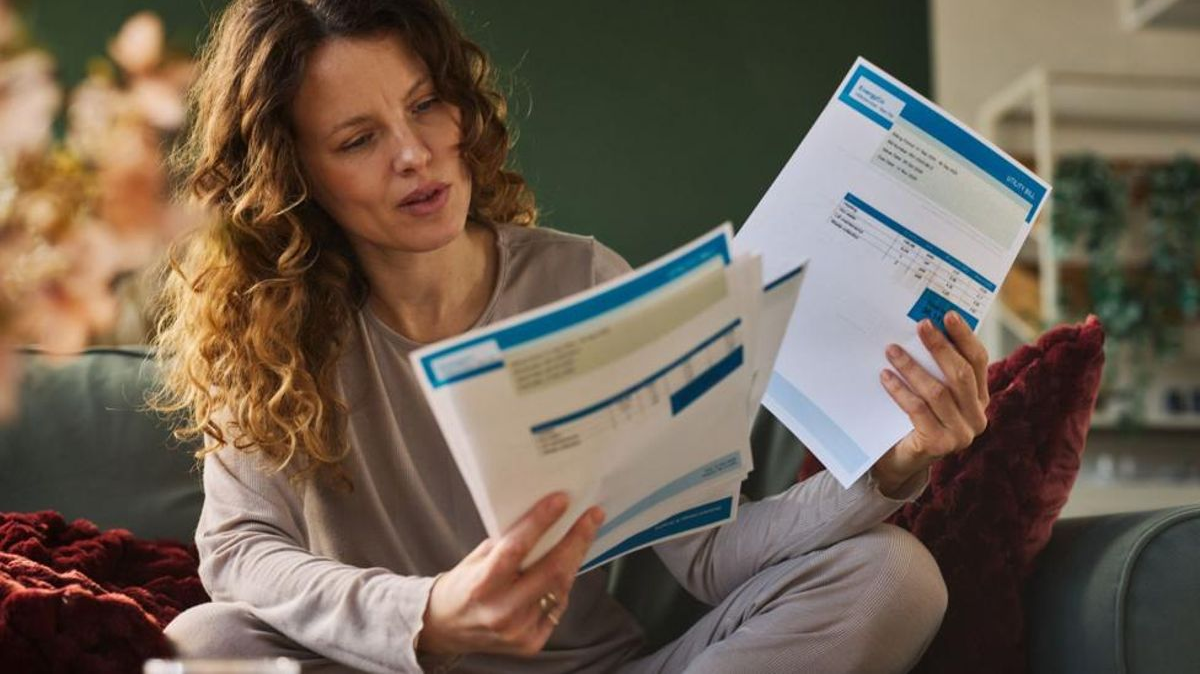
Millions of households across England, Scotland and Wales are preparing for higher energy costs as the UK’s energy regulator Ofgem prepares to announce its next price cap. Consultancy Cornwall Insight forecasts a 26% increase in typical annual bills from January, driven primarily by rising wholesale gas prices following the war in Iran.
About 20 million households currently use variable energy tariffs governed by Ofgem’s price cap, which limits the maximum price charged per unit of energy. Customers on fixed tariffs will avoid the immediate increase, although they could face higher costs when their existing agreements expire.
According to Cornwall Insight’s forecast, a typical household paying by monthly direct debit could see its energy bill increase by approximately £37 per month between January and March. If the projected increase continues for a full year, the typical annual bill would rise by £443 to £2,166.
The increase reflects international gas market pressures. According to Energy UK, the average gas price is 166% higher than it was in late 2025, before the war in Iran began. Relatively low storage levels ahead of winter have also forced suppliers to purchase gas at substantially higher prices.
Dame Clare Moriarty, chief executive of Citizens Advice, warned that households were entering winter with increasingly limited financial resources.
“We are staring down the barrel of a brutal winter,” said Dame Clare Moriarty, chief executive of Citizens Advice.
She highlighted the financial pressure facing people who have experienced repeated economic difficulties and rising living costs.
“Every day our advisers see people whose budgets have been completely wiped out by years of compounding crises. Millions of households are entering the coldest months of the year with nothing left.”
Government assistance includes a £100 payment for millions of eligible households, alongside a temporary 5% VAT reduction on electricity bills until the end of June next year. The VAT measure is expected to save a typical household approximately £45 annually.
The Warm Home Discount will also reduce bills by £150 for six million households receiving benefits this winter. However, Citizens Advice has called for wider assistance, particularly for people using prepayment meters who may quickly exhaust their support payments.
Andrew Sissons of research foundation Nesta warned that rising energy costs could affect spending beyond household utility payments.
“Higher energy bills will reduce household spending on everything else, which will have a knock-on effect across the rest of the economy,” said Andrew Sissons of Nesta.
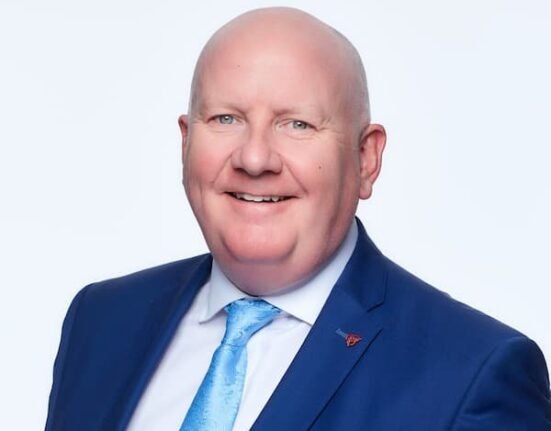
Chris O’Shea, chief executive of British Gas owner Centrica, also expressed concern about the expected January increase during an interview with the BBC on Sunday.
“Hugely concerned,” said Chris O’Shea, describing his assessment of the impact of higher energy prices.
O’Shea also highlighted growing difficulties surrounding unpaid household energy bills, distinguishing between customers who cannot afford payments and those who choose not to pay.
“Massive problem,” said Chris O’Shea, describing the UK’s energy debt situation.
He also identified a growing number of customers who were deliberately withholding payments.
“Increasing number of people that are choosing not to pay their bills,” said Chris O’Shea.
According to Energy UK calculations, approximately £67 of the average annual energy bill covers the cost of unpaid energy debt. Customers paying every three months rather than through monthly direct debit face the largest additional contribution.
Energy UK estimates that total household energy debt could approach £7 billion by the end of the year. Meanwhile, electricity network operating and upgrade costs are expected to remain elevated, potentially keeping domestic energy prices high throughout next year.
Citizens Advice expects more households, particularly prepayment meter customers struggling to afford winter top-ups, to seek emergency assistance as the new price cap takes effect in January.