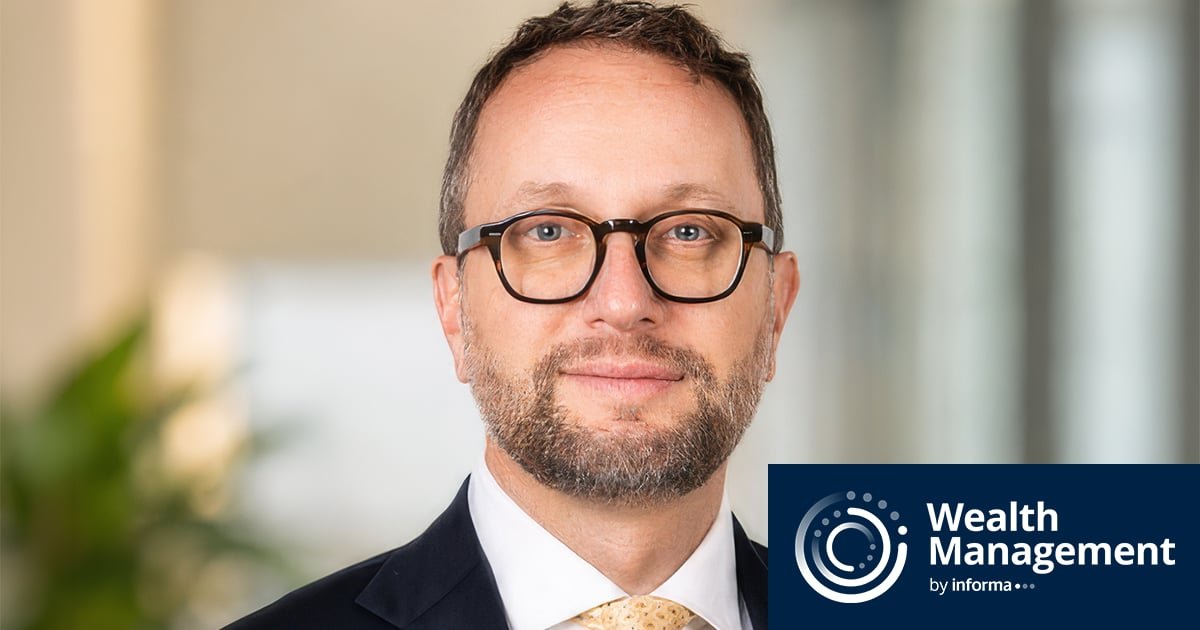
Kintra Wealth, an employee-owned registered investment advisor with about $4.3 billion in client assets, was one of the few standalone RIAs that emerged from Commonwealth Financial Network teams that left after the LPL Financial acquisition.
The firm’s origins, however, date back well before the Commonwealth sale made headlines, according to CEO Andy Harris.
In late 2024, Harris and team were to be the first movers on a new fee-only RIA channel called Continuum being launched by Commonwealth. Within two weeks of launch, however, Commonwealth pulled the plug—they were being acquired by LPL, his team was informed, and the channel was being paused.
Harris, by that point, had seen a new path. In the ensuing months, he spoke to other Commonwealth advisors about teaming up, including with a new name and a team approach that Harris calls “interdependence.”
Williamsport, Pa.-based Kintra Wealth launched in April from a combination of six wealth teams with employees in eight states across the U.S. In October, they made their first acquisition, with more in the pipeline for 2026, according to Harris.
Harris spoke to Wealth Management about the firm’s origin, its focus on building collaboratively, and how it seeks to compete in a crowded field of advisor recruiting and M&A.
This interview has been edited for length and clarity.
Wealth Management: When did you first get drawn to the RIA model?
Andy Harris: We loved being part of our former firm, but we found some challenges with being on a platform primarily built for retail clientele. That was a primary reason why we transitioned from being an IRA to launching Evergreen Wealth Solutions as an RIA in 2019—super fun timing, because the government was shut down for a while and it took longer than it should have. In doing so, we gained access to private investments, alternative investments, and other strategies that weren’t available on a prescribed platform. What we learned was that we wanted our own compliance framework built for us, rather than one that caters to thousands of advisors.
WM: How did the technology side of the business evolve from there?
AH: Over the course of the years, we transitioned to an operating platform called EOS, which we adopted in 2021. I was the visionary, and Georgia Potts was my integrator. We realized there were also technology constraints with our former firm’s native platform, so we did due diligence and looked at Tamarack, Black Diamond, Orion, Addepar—all the platforms—and ultimately decided the best place to land was both with Orion and Fidelity, while wanting to maintain the opportunity to be multi-custodial.
WM: Why weren’t you able to set up this model within Commonwealth?
AH: In early 2024, they announced they were launching a new platform focused on RIAs that wanted to be part of a community called Continuum. We were the first mover onto this new platform, working with Orion. We spent well over a year preparing for a full transition. Two weeks before the transition of all of our clients, the acquisition was announced, which essentially killed everything I was working on. We had all of our clients prepared to move, and they already knew about our new technology platform.
WM: Did you consider staying with your former firm before launching independently?
AH: Absolutely. Our first choice was to stay there. What we found was that the program we had signed up for would be modified heavily and deviate from the vision we had bought into, and it was best for us to carry on, transferring that trust in the vision to people we trusted ultimately, which is ourselves, as opposed to handing that over to anybody else.
WM: What were the key things you were trying to preserve as you moved forward—was it the tech stack or the multi-custodial setup?
AH: This quickly evolved from what had been a focus on having access to the best tools to something completely different. That completely different wasn’t about the tools; it was about the craftsmen working with those tools, and the community that would be built. So, it moved from platform to community.
We look at Kintra as a third path: you can join a large aggregator and monetize the business, or you can be independent within someone else’s firm, which limits your scale and resources—or you can come together, shed independence to transition to interdependence, gain access to the best of both worlds, and build it together.
WM: How does that “interdependence” actually look on the ground for an advisor and their clients?
AH: We’re not altering the relationship that an advisor has with their client, but we’re supporting that with a robust platform. By coming together, we own the home office, we own centralized operations, and by doing so we’re looking at the best way to serve. My job used to be taking the best care of clients. Now the job of everybody who works within the firm is to take the best care of clients, and my job as CEO is to figure out how I can best support our advisors.
I talk about one agreed-upon curriculum with many teachers—let’s agree on the best way to educate our student body and empower our teachers to speak from that in ways that are uniquely theirs, guided by agreed-upon best practices.
WM: How does that play out for a firm that joins, like your recent acquisition of Great Scott Financial Services?
AH: As Scott is coming into the community, we’re leaning in deeply to get to know him and his team on a professional level that we couldn’t have known before we worked together. Before, it was due diligence, LOI, friendship. Now that we’re here, we’re learning the best ways to help support Scott, and Scott’s learning the best ways to use the resources we already have. And when there’s a gap, we modify that gap because we’re building this together—that’s different than joining a pre-built machine.
Another example is from one of our founding firms. Our Marysville office brought a strategy they had already built for clients—an ETF called Trio that combines global investments with downside protection and is listed on CBOE. We’ve rung the opening bell there twice this year. I bring this up because each firm has contributed something unique—we’re not looking for an AUM or EBITDA grab. We’re looking for a contribution of value, whatever that may be.
WM: You are employee-owned. How are you structuring deals to attract new firms, given all the private equity capital out there?
AH: Our first step is really sussing out if somebody is interested and can contribute to the community. We acknowledge there are firms that will strip out as much cost of a joining firm as possible and, in doing so, write a bigger check or achieve a higher multiple—but at what cost?
We find many advisors are interested in tax-efficiently taking some chips off the table, but we’re interested in firms that also want meaningful equity consideration. We talk about the value of owning a slice of watermelon rather than the whole grape. A smaller slice of the watermelon is better for our clients and everybody involved than having all the control but also all the risk standing alone.
WM: Is outside capital—private equity or minority investment—something you’d consider down the road?
AH: We need to keep an open mind for down the road. At this point, we realize we could all walk away with tremendous paychecks if we joined another organization, and we all decided to take the harder path to build something special. At some point we may want to align with an outsider that can help us achieve that, but we’re not ready for that, and I don’t know if we ever will be.