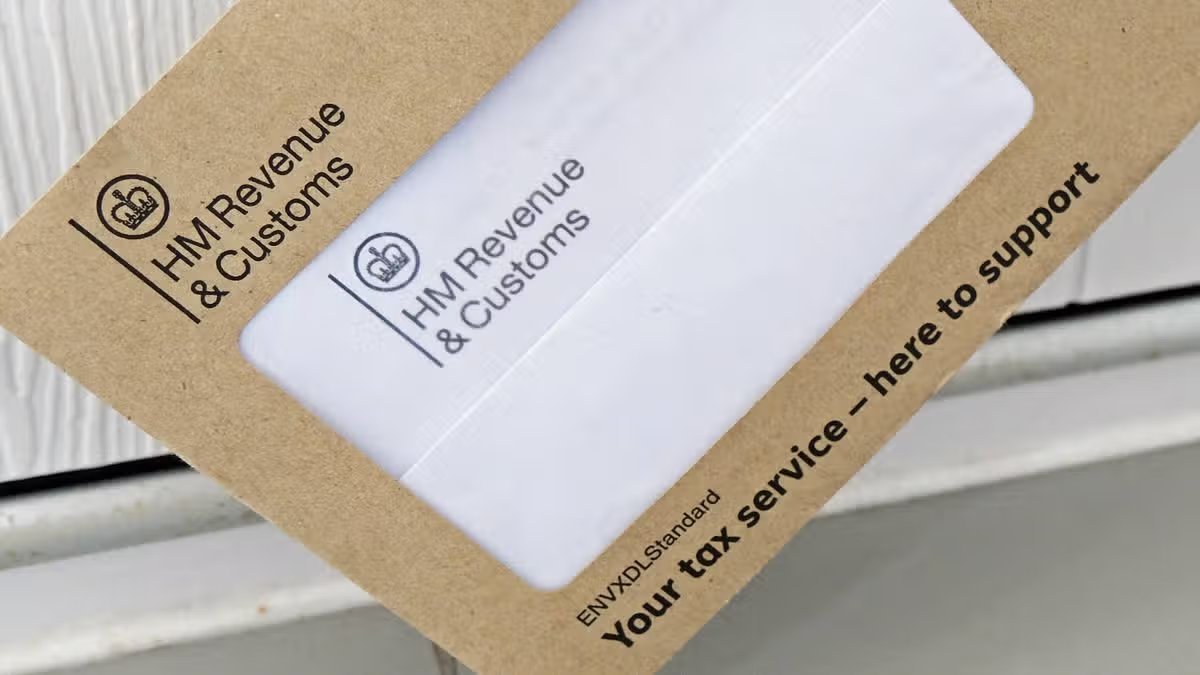
New letters are being sent out to people from October and HMRC has advice on what to look out for

New HMRC letters will begin dropping through letterboxes within days(Image: Laurence Berger via Getty Images)
HMRC tax letters are set to land on the doormats of some UK households from next month – and officials are urging people ‘please don’t ignore’ them. You may receive a Simple Assessment if you owe tax for a previous tax year.
Around 1.8 million simple assessments are set to be sent this year. However, although many have been sent, some people will receive a second tax letter from October onwards – and HMRC has urged people to read the letters carefully so they do not end up paying twice.
Officials say you may receive a Simple Assessment if you owe Income Tax that cannot be collected through your tax code. Alternatively, you could get one if you owe £3,000 or more in tax, need to pay tax on your State Pension or have untaxed income such as savings interest or dividends.
HMRC has confirmed that some savers will be sent a second tax demand from next month that includes tax owed on savings interest, plus the amount stated in the first letter, even if this tax has already been paid.
Such simple assessment tax bills are becoming rapidly more common – having more than tripled in five years. A parliamentary response from the Treasury in June showed that just 582,211 letters were sent in 2020-21. At the time, Dan Tomlinson, Exchequer Secretary to the Treasury, said: “HMRC issues Simple Assessment PA302 letters to individuals with taxable income who are not registered for Self Assessment, and where HMRC cannot deduct the tax through PAYE.”
HMRC’s website says that second letters do need to be sent out sometimes. It states: “Sometimes HMRC may send more than one Simple Assessment tax bill for a tax year.
“This can happen if HMRC receives new or revised information after your first tax bill was sent.
“The latest Simple Assessment will show the total amount of tax you owe for the year. This includes any amounts shown in earlier tax bills, even if you’ve already paid it.
“If you’ve already paid the amount from an earlier tax bill, you’ll only need to pay the difference between what you’ve paid and the total in the latest tax bill.”
HMRC did say in the smallprint when it issued the first letters that another letter could follow, noting: “Working-age customers began receiving letters from 30 June 2026. Pensioners will begin receiving letters from 12 August 2026. A second tranche of letters will be sent between October and December 2026, relating to Bank and Building Society Interest (BBSI) data.”
The matter was originally highlighted in the Daily Telegraph. HMRC is instructing people to deduct any tax already settled from the second figure to calculate the actual amount owed.
An HMRC spokesman said: “To prevent customers from overpaying, our letters now make clear that customers don’t need to pay the total tax shown if they’ve already made a payment towards a previous simple assessment bill from earlier in the year.”
Joseph Adunse, from accountancy firm Moore Kingston Smith, warned that thousands of taxpayers could be impacted. He told the newspaper: “HMRC are creating more work for people, and potentially causing overpayments – these people won’t get automatic refunds.”
Why have I been sent a Simple Assessment tax bill?
Official Government guidance reveals that HMRC issues a Simple Assessment tax bill (also referred to as a PA302) if you haven’t paid sufficient tax and they cannot recover it through your tax code. Tax bosses say you will receive correspondence by post or in your Personal Tax Account, explaining how much tax is due, how it was worked out and payment methods. Simple Assessment differs from submitting a Self Assessment tax return.
HMRC’s publicity drive this summer told 1.8 million people that they would be sent Simple Assessment letters. At the time, Myrtle Lloyd, HMRC’s Chief Customer Officer, said: “If you receive a Simple Assessment letter and have tax to pay, please don’t ignore it. It is quick and easy to pay any tax owed via the HMRC app.
“If you need extra support, or want to find out more, search ‘Simple Assessment’ on GOV.UK“. If you have overpaid, you’ll need to get in touch with HMRC to claim a refund. Payments can be made via the free and secure HMRC app, online through GOV.UK, by bank transfer or by cheque.
Full guidance on Simple Assessment – including a dedicated resource specifically for pensioners – is accessible on GOV.UK. HMRC’s new Tax Confident website also provides materials to help people manage their tax affairs with greater confidence, officials say.