The maximum amount most councils in England can normally raise bills without a referendum is 5% – but six councils have been granted powers to introduce bigger hikes

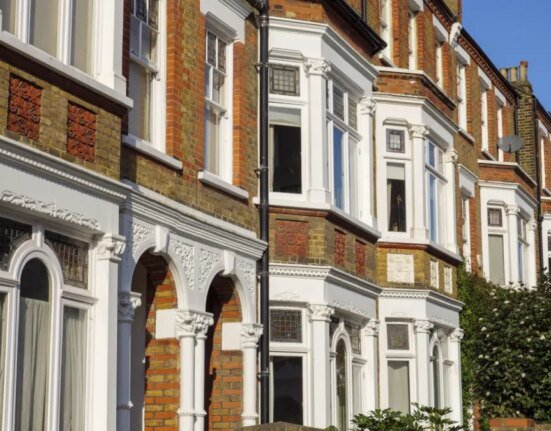
Thousands of households look set to be hit with bumper council tax rises(Image: Drazen Zigic via Getty Images)
Hundreds of thousands of households face bumper council tax rises next year after six councils were given permission to raise costs by more than the usual amount.
The maximum amount most councils in England can normally raise bills without a referendum is 5%. But Westminster, Kensington and Chelsea, Hammersmith and Fulham, City of London and Windsor and Maidenhead have been granted powers to introduce bigger rises.
Wandsworth Council is said to be considering a council tax hike of up to 160% – in what would be the biggest increase ever in England. It currently has the lowest Band D council tax bills at £1,028 – in comparison, the average Band D council tax bill across England is £2,392.
The Telegraph reported earlier this month that Westminster council is considering raising council tax by 100%. The standard Band D council tax bill in Westminster is currently £1,049. However, no formal announcement or decision from any of the councils have been made yet.
Council tax decisions would likely come later this year, or early next year, and any increases would come into effect from April 2027. It follows a review into how funding from the central government is distributed among local councils, with more cash set to be issued to deprived areas.
For example, Wandsworth is projected to receive £84million less a year by the end of the decade, while Westminster Council is set to lose £100million. Meanwhile, Windsor and Maidenhead were allowed to raise council tax by 7.49% this April to tackle severe budget deficits and stave off effective bankruptcy.
Full list of councils set for bumper increases
- Wandsworth
- Westminster
- Kensington and Chelsea
- Hammersmith and Fulham
- City of London
- Windsor and Maidenhead
What do the councils say?
Councillor Elizabeth Campbell, Leader of Kensington and Chelsea Council, said: “We will do everything we can to protect the services our residents value the most, but central Government has cut our funding by more than £100 million – a hole which cannot be plugged with just a simple council tax rise.
“We will still need to make significant savings, on top of the £21 million already agreed for this year. Alongside residents, we are still asking Government to rethink and revisit the approach they are taking – which penalises London and Londoners unfairly.”
Councillor Paul Fisher, Cabinet Member for Value for Money and Finance at Westminster Council, said: “It’s so important that residents and businesses respond. The decisions we have to take next year will have major implications for years to come, including what increase in council tax gets proposed.
“These UK Government funding cuts are unprecedented and present us with stark choices and no easy options. That’s why we need to ask our residents some straight questions – what council services do they care most about, and would they be prepared to pay more in Council Tax to offer some protection against service cuts.”
Councillor Lynne Jones, Deputy Leader and Cabinet Member for Finance at Windsor and Maidenhead Council, said: “We have worked hard to strengthen governance, restore financial discipline and improve the council’s financial position – progress that has been recognised by both government and through independent scrutiny, and we remain committed to continuing that journey.
“We had a credible plan that would have returned us back to financial sustainability, but that plan has been derailed by a further £30m budget reduction imposed by government.”
Wandsworth Council and City of London Council declined to comment. Hammersmith and Fulham Council did not respond to requests for comment. A spokesperson from the Ministry of Housing, Communities and Local Government said: “Decisions on whether to increase council tax are ultimately for local authorities to make and justify but we continue to expect any decisions to put taxpayers first.”
The biggest council tax increases before this were by North Somerset, Shropshire and Worcestershire, who were all given special permission to enforce a 9% rise this April.
Cut your council tax bill
Check if you are entitled to a council tax discount. For example, if you live alone, you get 25% off your council tax bill. The maximum 100% discount is awarded if someone lives alone is considered to be “severely mentally impairment” and is claiming benefits, or if you live in an all-student household.
There are also Council Tax Support or Council Tax Reduction schemes for people claiming benefits or on low incomes. The exact help varies between councils but your bill could be reduced by up to 100%.
Not everyone is in the right council tax band – and if you’re accidentally in too high of a band, you could be owed thousands of pounds back, plus lower bills going forward. But do your research, as if you’re in too low of a band, you could get moved up and your bills will become more expensive. Your neighbours could also end up being bumped up.