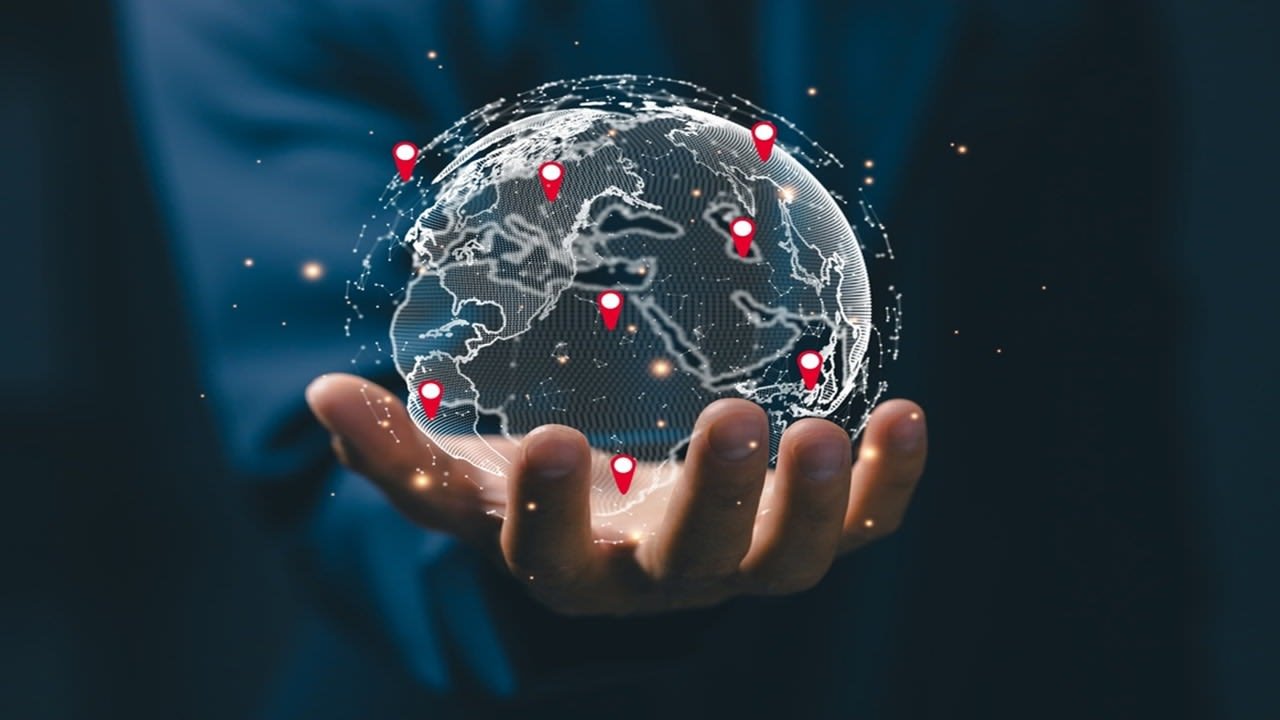
Interactive entertainment is not static; it is inherently metamorphic. Throughout history, technology hasn’t just enhanced existing pastimes; it has completely reorganized how societies engage, unwind, and speculate. Past centuries saw rudimentary dice games and complex royal strategy boards cross continents via slow caravan routes. Digital innovation catalyzed an exponential acceleration. Now, connectivity dissolves geological distance entirely, transforming ancient competitive impulses into immediate, global digital dialogues. This rapid transcendence represents a true paradigm shift, not a mere progression.
This relentless drive for immersive, accessible experiences defines the modern digital landscape. We seek entertainment that accommodates our high-velocity lives. The current market eagerly adopts specialized, native solutions. The Lucky Hills mobile App emerges as a sophisticated example of this integration, seamlessly translating traditional casino excitement into a high-performance, PWA-optimized package. Their commitment to accessibility – requiring only a few taps for installation without cumbersome app store bureaucracy – demonstrates a true understanding of modern user requirements, providing an experience that’s both authentic and agile. Do we not all crave that frictionless utility in our downtime-?
The era of localized entertainment is concluding. We once depended on physical presence for shared amusement – a localized card circle, a regional arcade. Technology eroded that constraint utterly. High-speed global data networks and potent handheld computational devices created a decentralized reality where “presence” is a digital construct. I can compete instantly against a participant in Tokyo or trade complex digital assets with an individual in Berlin, simultaneously, using identical, low-latency interfaces. This frictionless existence fundamentally re-orients our recreational priorities. We now prioritize systemic trust, operational speed, and algorithmic integrity over simple geographical proximity.
This decentralization is fueled by potent trends:
This global reorganization demands operational agility. We reject bloated, bureaucratic distribution channels that slow innovation. Specialized Progressive Web Applications (PWAs) illustrate this rejection, effectively bypassing traditional app stores to deliver native-level performance directly from a browser. This structure guarantees that users always access the most current version, optimizing security and feature sets without tedious manual updates. I witness a crucial optimization here: Technology serving accessibility, not gatekeepers. PWAs don’t just improve the app delivery mechanism; they liberate the interaction itself.
Ultimately, technology doesn’t just facilitate entertainment; it defines its character. We transitioned from games built for static locations to immersive universes that accompany our highly mobile existence. Interactive entertainment has always reflected societal priorities, and our current infrastructure – defined by decentralization, tokenization, and relentless accessibility – proves that modern recreation demands absolute flexibility. We are not just digitizing old pastimes; we are architecting entirely new paradigms of interaction, ensuring that the urge to engage, play, and speculate transcends every geological and temporal boundary.
This article was written in cooperation with Dimitar Todorov