What does the ceasefire deal between the United States and Iran mean for Irish households? It has not removed all the uncertainty, of course, as it is designed to leave space for about 60 days of negotiations to try to reach a permanent deal.
So, broadly, three courses are possible: a successful conclusion to these talks, a breakdown and return to conflict or what might be called a muddling-on scenario, where the talks deadline is extended and there are still tensions in the Gulf, if not outright conflict.
The importance of the breakthrough is it makes the worst-case scenario of further conflict and a prolonged disruption of energy supplies less likely.
This would have threatened a further escalation of oil and gas prices, in time possible fuel shortages, an ongoing hit to consumers and higher inflation and interest rates.
Despite this, high energy costs are still going to be a crunch issues for the budget in October.
So what could the better news this week mean?
Petrol and diesel prices
Wholesale oil prices have already come down, with a barrel of Brent Crude trading at about $76 (€66) on Thursday compared to $118 at the peak of the current crisis and prolonged periods above $100. We are starting to see this reflected at the pumps, with petrol and diesel prices easing – diesel, in particular, had already come well off its highs after a supply squeeze.
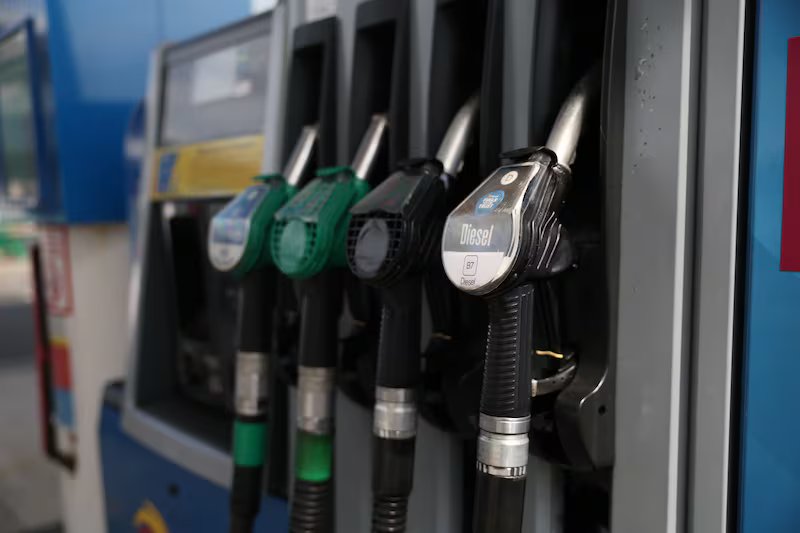
Trends in the wholesale market should leave prices per litre around 10 cent lower on Friday than they were a week ago in the vast bulk of stations, says Kevin McPartlan, chief executive of Fuels Ireland, the industry representative body.
While there was criticism of the pace at which retailers increased prices after the conflict hit, the Competition and Consumer Protection Commission found no evidence of collusion.
Wholesale kerosene prices are also falling, which will benefit those buying home heating oil. A spike in this market sent prices as high as €900 for a 500-litre fill in spring, compared to around €500 last winter. Prices are now back at about €650.
[ Energy price shock to squeeze Irish wage growth this year, says Central BankOpens in new window ]
As well as wholesale market trends, the big determinant of petrol and diesel prices in the short term will be tax. The Government is due to decide whether cuts in excise duties introduced during the spring, which reduced diesel by 32 cent a litre and petrol by 27 cent, will be renewed after the end of July when they are due to run out.
Ministers have hinted this may happen, though have been careful not to make any commitments. Whether the cuts are renewed in full is likely to depend on the trend in wholesale prices in the meantime. For now, traders speculate that an uncertainty premium in wholesale prices may remain due to concerns about how the negotiations will go.
Also, it will take time for oil supplies to return to pre-war normality, given the interruption in supply. A tanker leaving the Gulf now will take around 50 days to arrive in the European Union. With the likelihood being that the US-Iran talks will still be going on at the end of July, a full or partial renewal of the excise cuts looks likely. At least for a few more months.
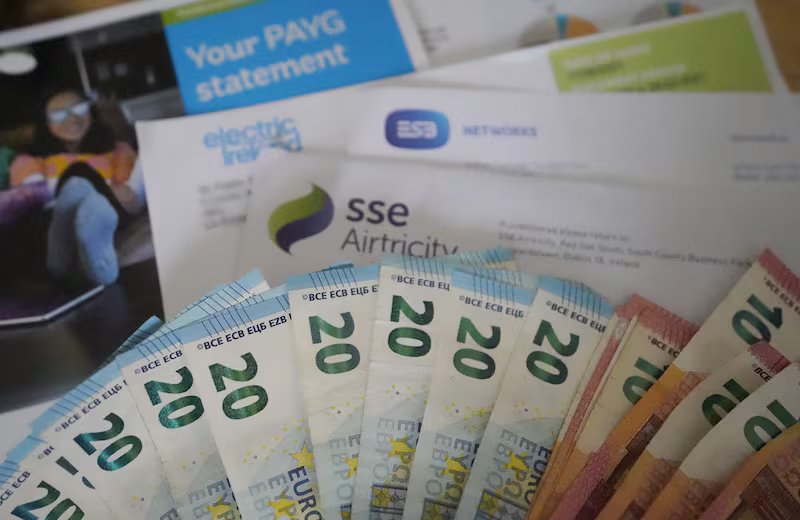
Electricity costs
As we learned following Russia’s full-scale invasion of Ukraine in 2022, gas is the key short-term determinant of electricity prices due to Ireland’s reliance on gas-fired generation and the price-setting mechanism in the market.
And, of course, wholesale gas prices feed through directly to domestic gas bills as well. Electric Ireland, the ESB’s retail arm, is increasing electricity prices by 8 per cent from July 1st and gas prices by 7.7 per cent. Prepay Power and Yuno Energy have also announced rises. The Electric Ireland rise followed those by other major players last November.
The bigger players in the market hedge their exposure by buying forward on the market, meaning retail prices are slower to rise in response to wholesale rises, but are then a bit slower to fall as well.
Recent trends in the wholesale gas market have been favourable: having peaked at around 160p per therm, prices are now back at about or just below 100p. It was as low as 70p a therm last December and in the 80p range for much of last year.
[ Worst of Iran war-related price hikes yet to hit, conference hearsOpens in new window ]
A quick reversal of the rises announced by Electric Ireland recently and other major players late last year looks unlikely. The firms will have bought some gas forward at recent higher prices, while for now prices remain above 2025 levels.
However, consumers can hope that further planned increases are now off the cards if the ceasefire holds, though an increase by Flogas on Friday shows how the price pressures of recent months may not, in all cases, have fully flown through to consumers.
The key thing to watch will be the wholesale gas market.
Energy market sources say two issues will be vital.
One is how quickly Gulf energy infrastructure – particularly Qatari LNG facilities damaged during the conflict – comes back on stream.
[ The Iran deal removes a big economic risk for Ireland – if it holdsOpens in new window ]
Following the Iranian attack there were estimates this could take three years or more. However, this week Bloomberg reported Qatari estimates that 80 per cent of capacity could be back in a couple of months.
The other key determinant on prices in Europe, sources say, will be the impact of the summer move to refill storage across the Continent in advance of winter. This will add significantly to demand. The question is what supply will be there to meet it.
Interest rates
The US-Iran deal gives hope to borrowers that a round of interest rate rises to combat rising inflation could be avoided.
That said, what happens next is being debated. European Central Bank (ECB) council members, including Ireland’s Central Bank governor Gabriel Makhlouf, have warned about “lingering price pressures” and the possibility of a prolonged period before energy prices return to normal. Philip Lane, the ECB’s chief economist, has said it will remain “proactive” in its fight against inflation.
Still, after the recent quarter-point hike, financial markets do not believe the ECB will move again next month and are divided about the prospects on a further quarter-point rise in autumn. Inflation data in the meantime will be vital.
Goodbody chief economist Dermot O’Leary is optimistic. “While concerns remain about the details and longevity of a deal on Iran, risks to energy prices have now moved to the downside, even relative to the milder scenario that was laid out by the ECB last week,” he said. “It is now more likely that the ECB will not require another rate hike to follow last week’s move.”

Energy policy
The crisis has again underlined Ireland’s exposure to price swings in imported fossil fuels and to supply security questions. McPartlan of Fuels for Ireland has been calling on the Government to establish a group to examine the taxation of fuel, including the treatment of renewables, to avoid the need for ongoing “knee-jerk” responses.
In relation to wider policy issues affecting consumers and businesses, the Government has established a National Energy Affordability Taskforce, which is due to publish an energy-affordability plan before the budget. It will look at how supports can be directed to those who need them and how the cost of the substantial investment in energy infrastructure should be split between billpayers and taxpayers.
The backdrop is that household costs are now about 50 per cent higher than at the end of 2021, with prices here at the top of the EU league. Higher household arrears have resulted. Even if the impact of the Iran crisis eases, there are big political questions here about how to support households and vulnerable businesses.