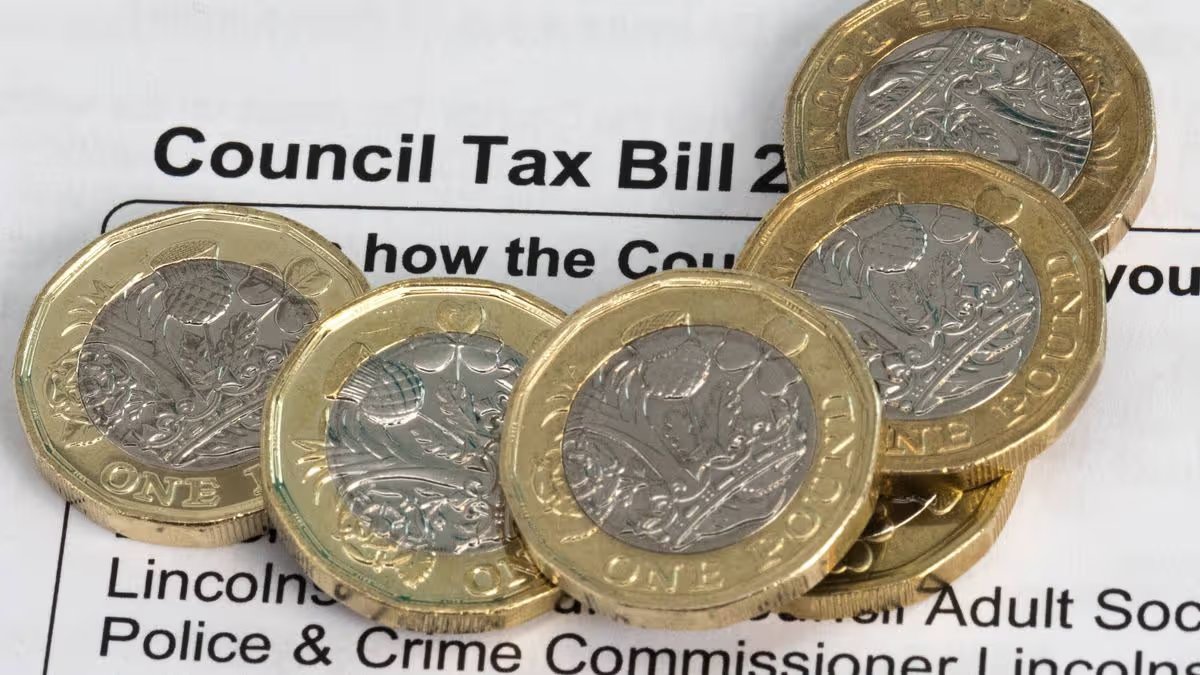
Consumer experts Which? warned that some UK residents may be in the wrong Council Tax band but there’s an easy way to check if you’re entitled to years of repayments

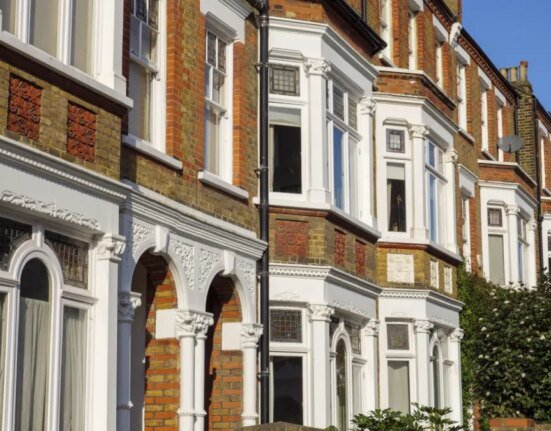
Consumer experts, Which? believe you could be paying too much Council Tax (stock)(Image: Shaun Wilkinson via Getty Images)
If you’re worried you might be overpaying on Council Tax, consumer experts Which? have shared guidance for UK households on how to verify your band – and potentially cut costs. The typical Band D Council Tax set by local authorities in England for the 2026-27 financial year stands at £2,392, with annual charges ranging from £1,595 (Band A) to £4,785 (Band H).
“Your Council Tax is based on what your home was worth all the way back in 1991,” they explained in a TikTok clip. “That’s the year [action sci-fi film] Terminator 2 came out, but that valuation has barely changed since.”
Which? also highlighted that Council Tax differs depending on your location – with Wales undertaking fresh valuations in 2003 and Scotland operating its own system.
In England, Band A applies to properties valued up to £40,000 at 1991 prices, while Band H encompasses anything exceeding £320,000 from the same period. The middle ground – Band D – corresponds to homes valued between £68,000 and £88,000 in 1991.
“Most people don’t know if their home is actually in the right band,” Which? added.
How to verify your Council Tax band:
The consumer watchdog’s initial recommendation is to find out what band your neighbours fall into by visiting the government’s Council Tax band website.
“If your home is similar in size, age and location, you should probably be in the same band,” they advised. Next, research what comparable properties on your street have recently sold for, the guidance continued.
This can be done by using Zoopla’s House Price Calculator. “Here you can get an estimate of what your house would have been worth back in 1991,” Which? added.
They also cautioned you should always be “careful” when disputing your Council Tax band.
“It is not guaranteed to save you money,” they advised. “Your band could stay the same, it could go down, or it could also go up – and it could affect your neighbours’ bands too.”
Should the outcome be favourable – if you’ve been placed in the wrong band for a number of years for example – you may be owed a refund for any overpayments, backdated to when you first took up residence at the property.
Which? added: “In fact, our survey found that around half of people who challenged their band successfully got it lowered. While only one per cent saw an increase.”
So, where you can you challenge your banding? Go to the Valuation Office Agency website, Which? suggests. Those in Scotland should head to the Scottish Assessors Association instead.
Changes that may affect your Council Tax band
Your property may be put in a different band in some circumstances, for example if:
- You demolish part of your property and do not rebuild it
- You alter your property to create 2 or more self-contained units, for example an annexe – each unit will have its own band
- You split a single property into self-contained flats
- You convert flats into a single property
- You start or stop working from home
- The previous owner made changes to your property
- There are significant changes to your local area, like a new road being built
- A similar property in your area has its Council Tax band changed