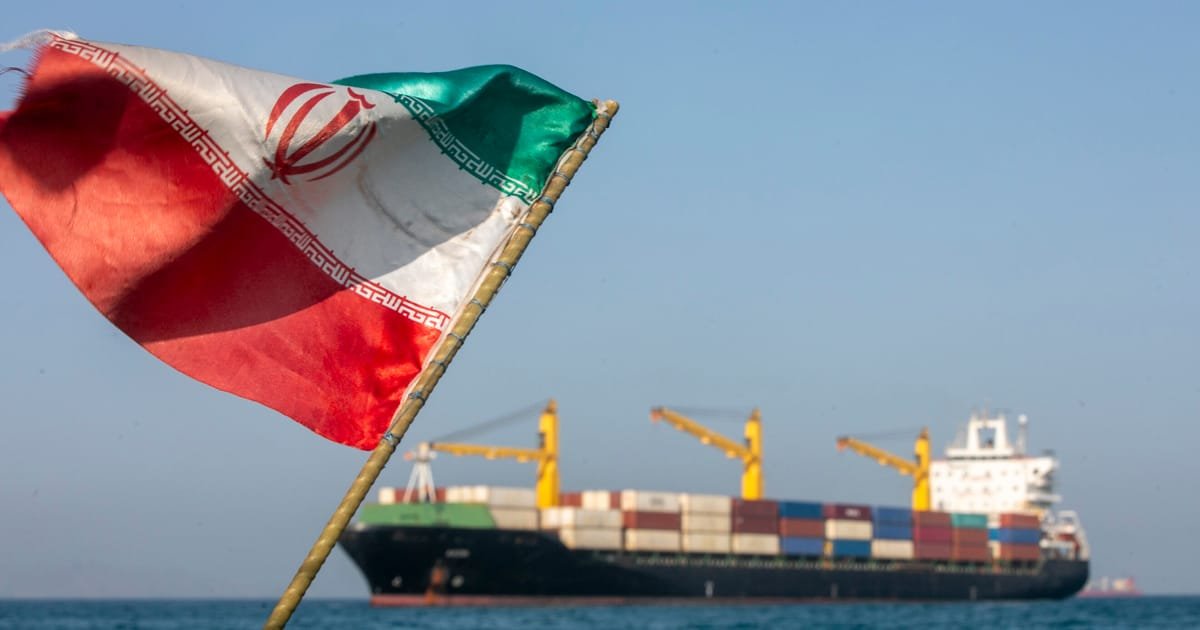
Either way, analysts and shipping industry executives say, such new costs could impede efforts to reinstate transit through the strait as it was before the war — which accounted for around a fifth of the world’s gas and oil supply — threatening a cautious re-entry that keeps the supply squeeze lasting longer.
Kpler oil analyst Homayoun Falakshahi has canvassed shipowners and charter-owners directly, and said the majority expressed reluctance to re-enter the strait if a toll is imposed. The Kpler report, meanwhile, notes that the 118 laden tankers currently stuck in the strait could leave immediately, but that would represent a “one-off flush of the backlog.” The resumption of usual transit could be much slower, rising to 12 tankers a day within a month — half the prewar level.
Maersk, a leading global shipping company, warned Monday that information was still limited and it was “too early to assess” how the deal would impact its business.
Gassed for a fight
Even if the strait is fully reopened, analysts say that for at least one crucial energy product — liquefied natural gas — Europe still faces fierce competition with Asia over the summer.
Damage to infrastructure that could take years to fully repair (although reports suggest it could be fixed sooner) has already exerted pressure on supplies of the supercooled fuel, which both Asia and Europe rely on to power light industry and generate electricity for millions of households.
Other factors could intensify competition between the two continents. Europe, for its part, is lagging behind EU-mandated gas refilling targets due to the war, and risks panic buying if it doesn’t catch up by winter. That increase in demand may force it to aggressively “outbid” Asia, where demand for gas to power cooling devices is expected to surge if the so-called Super El Niño weather event drives up temperatures this summer, said Tobias Federico, chief analyst at Montel Energy.
Another question is whether China will begin buying again. The country, typically the world’s biggest energy importer, has largely made use of its ample reserves of both gas and oil since the war broke out, acting as a stabilizing force in the market. But a reopening could prompt it to begin buying again to replenish its stocks, drawing a hard limit under how far prices can fall, according to Kpler.
Tommaso Lecca contributed to this report.