She said many people were leaving it too late or not doing it at all

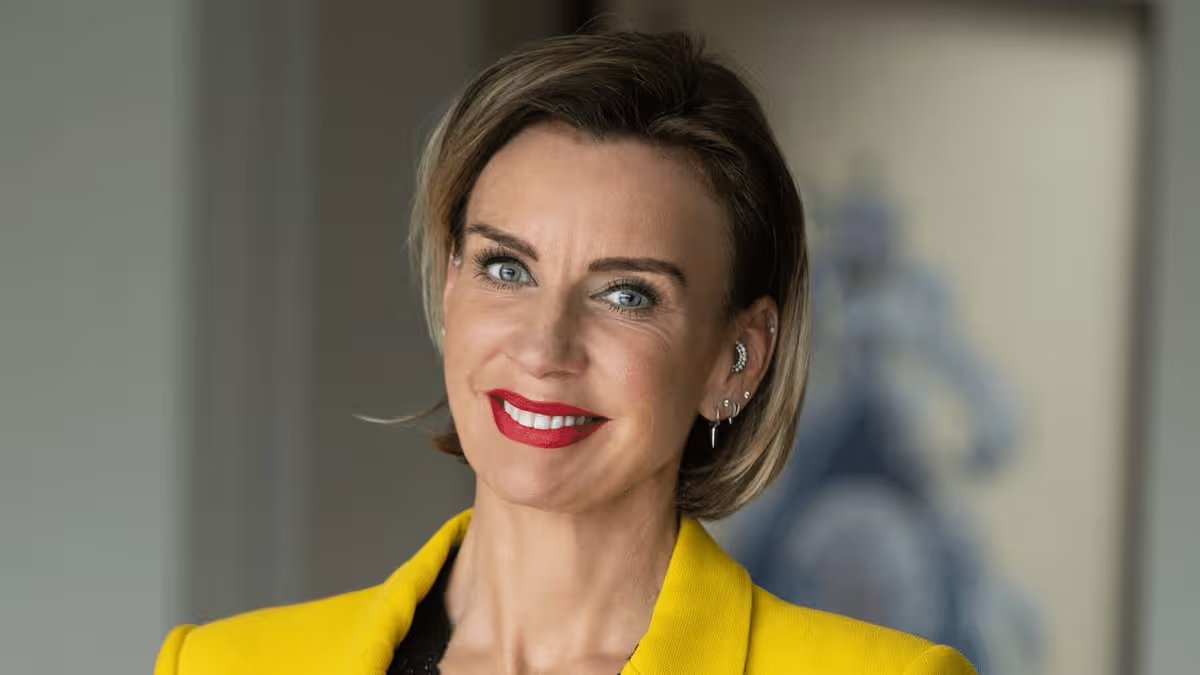
Katy Eatenton(Image: Newspage)
Women have been given a new warning by a life insurance expert.
She said they were far worse than men when it came to insuring themselves, all the more so when they’re single and don’t have kids. Historically, research shows that women are far less likely to have taken out life insurance and other protection policies, such as critical illness and income protection, than men.
In some cases, surveys have shown they are twice as likely to be uninsured. Katy Eatenton, who owns Weybridge-based Eatenton Finance, said underinsurance among women was especially pronounced when they are single and earning a decent income.
Katy said: “There are more and more high-flying female entrepreneurs, which is fantastic to see. But in my experience very few, a tiny percentage in fact, have any insurance in place to protect their incomes.
“The general reason, when I speak to these women, is that they don’t have children, so why do they need insurance? But when you ask them how they are going to keep on top of their mortgage or rent and deal with a sudden loss of income if they are unable to work for a year or two due to an accident or ill health, the penny starts to drop. For whatever reason, men are slightly better at understanding the importance of income protection, but more single women without children need to take control of this area of their lives and plan for the unexpected.”
Katy said the problem of underinsurance also applied to women in relationships who had children: “Where women are the secondary earners in a relationship, often because they have had children and are working part-time, or are stay-at-home mums, the level of underinsurance is once again shocking.”
Katy said the reason that so many mums were underinsured was because the role they had was undervalued.
She said: “When I’m speaking to a couple with children, it’s common for them to believe that the person who needs to be insured is the person who earns the most, often the man in the relationship, if the woman has taken time off work to bring up the children. But that dangerously downplays the key financial support provided by stay-at-home mums, or mums working part-time, and ignores the significant replacement cost of full-time childcare.
“There’s a perception that the mum is not worth insuring because she either doesn’t get a payslip at all or because her payslip is smaller, if only temporarily. It’s only when the mum is incapacitated that the true cost of everything she does becomes apparent and the household finances come under real pressure.”
Katy said the problem was getting worse as rising household bills, together with higher mortgage rates and rents, mean families were increasingly seeing insurance as a luxury rather than a necessity, with the women in the relationships typically getting overlooked.
She added: “When money’s tight, people question the value of insurance even more and it’s not unusual for a couple to only insure the higher earner. Again, that undervalues the financial role of the female in the relationship.”
Katy said that it was not just women in relationships who were underinsured, as a high percentage of single mums also had no protection in place to support their children in the event of illness or death. Ironically, she added, it was women’s maternal instincts that acted against them when it came to insurance.
She added: “One of the most common reasons for mums not having insurance, in my experience, is that they are laser-focused on looking after everyone else first and too often leave themselves to last. But then, of course, they never get around to it.
“And that’s when, if they have health issues or die, things can suddenly get very serious. My message to all women is to take control of whatever the future might throw at you and get insured.”