As EV adoption rises, owners need to understand the claim-related risks linked to batteries, charging practices, maintenance, and compliance.
Use approved batteries and chargers
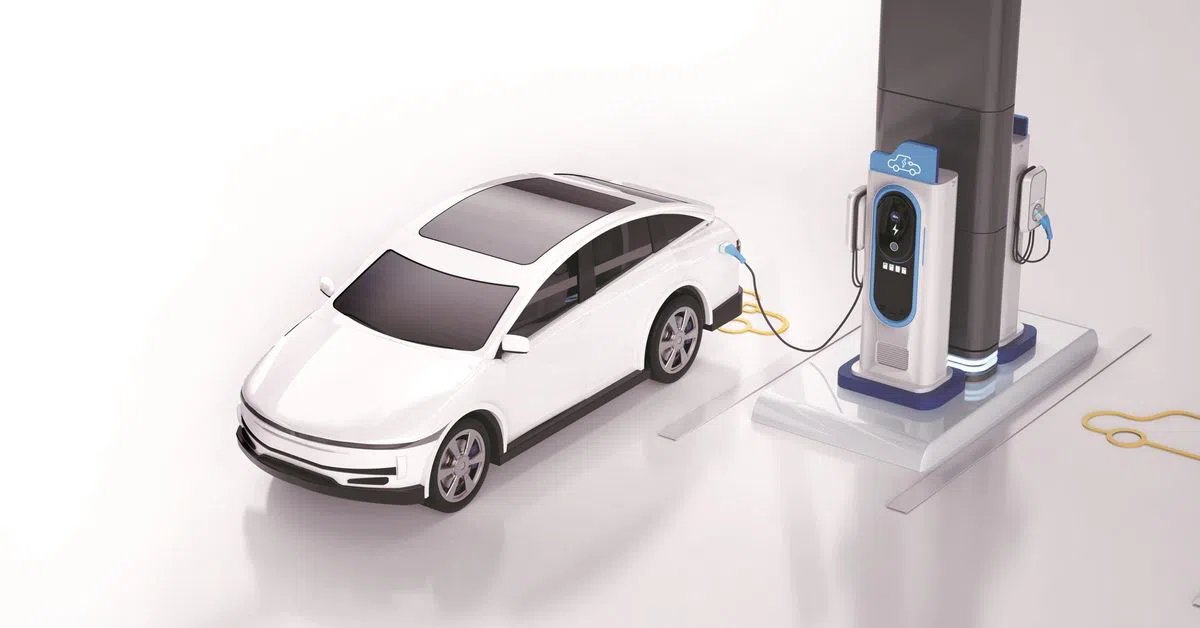
One of the most common reasons for rejection of EV insurance claims is the use of non-original equipment manufacturer (OEM) or unauthorised chargers or batteries. OEMs especially warn against using unauthorised fast chargers.
“Non-OEM or non-approved chargers may have unstable voltage. They may overheat the battery, damage the battery management system (BMS), and increase the risk of a fire,” says Shilpa Arora, cofounder and chief operating officer, Insurance Samadhan.
If an investigation shows that incompatible charging equipment caused battery swelling, a short circuit, or other damage, the insurer may reject the claim.
OEMs recommend charging within permitted voltage and current limits. Owners must use proper electrical installations and compatible connectors and adapters.
Owners should also adhere to battery protection practices. “They must protect the battery from water and extreme temperatures during charging,” says Sandeep Saraf, head of motor renewals and claims, Policybazaar.
If the owner does not follow charging guidelines and the vehicle gets damaged, the insurer may reject the claim.
Gradual decline in battery health not covered
A gradual reduction in battery efficiency over time is treated as normal degradation. “If an EV battery fails because it has degraded over time below the manufacturer’s acceptable health level, the owner may have to approach the manufacturer under warranty, if eligible,” says Saraf. The insurance cover will not pay for deterioration caused by natural wear and tear. Battery damage caused by an accident is covered.
Avoid unauthorised modifications
EV owners should not modify electrical systems or tamper with the vehicle’s software. “If the insured modifies the vehicle and does not disclose it to the insurer, the insurer may deny claims arising from that modification,” says Pradeep Funde, senior vice president, Anand Rathi Insurance Brokers.
Any modification that compromises vehicle safety makes it difficult for insurers to assess the exact cause of loss and often leads to a dispute. “Unauthorised modifications affect safety and electrical integrity,” says Funde.
Understand warranty and recall coverage
Customers need to understand what the OEM’s warranty covers and what the vehicle’s insurance policy covers.
If a manufacturing defect causes battery damage and the OEM warranty programme covers it, the insurer will not cover it. “A sudden loss of vehicle range due to internal cell failure without external damage or accident is typically a manufacturing issue covered under the manufacturer’s warranty,” says Funde.
Recalls arise from safety defects, battery defects, software faults, or manufacturing issues. “In recall cases, the manufacturer is expected to repair or replace the part under the manufacturing warranty. The liability does not fall on the insurer,” says Arora.
EV owners should protect the vehicle from severe waterlogging. “Driving through deep floodwaters or charging after heavy exposure to water may be classified as owner negligence,” says Abhishek Kumar, Sebi-registered investment advisor and founder, SahajMoney.com.
Do not repair before approval
The policyholder should wait for the surveyor’s inspection. “If repairs are completed before inspection, evidence may disappear and the extent or cause of damage may become unverifiable,” says Arora.
Repairs before inspection also make the insurer suspect inflated billing or unrelated repairs.
Act promptly after an incident
EV owners should inform the insurer immediately after an accident so that an inspection can be carried out. “Delay may cause consequential damage and put the claim in dispute,” says Funde.
Most policies require claim intimation within 24-48 hours for accidents or theft. Finally, owners should preserve evidence of the incident through photos and videos.
Violations that cause claim rejection
-
Driving under the influence of alcohol or drugs -
Driving without a valid licence -
Claims made after policy lapse -
Using privately insured EV for ride sharing or delivery