Energy regulator Ofgem is set to announce the new energy price cap on Wednesday, revealing how much typical gas and electricity bills will rise from July across England, Scotland and Wales.
Forecasters at Cornwall Insight predict the cap will jump by £209 annually to £1,850 from July 1 – a sharp 13% increase from the current £1,641 level.
The price cap limits the maximum amount suppliers can charge per unit of gas and electricity, but households still pay for the energy they use – meaning bills will climb if usage rises.
While warmer summer weather may soften the immediate blow, experts are warning the real pain could arrive later this year when colder temperatures drive up demand.
Iran conflict fuelling energy fears
The latest surge comes after global energy markets were rattled by Iran’s move to block the vital Strait of Hormuz shipping route – a key channel through which around a fifth of the world’s oil and gas supplies pass.
Although households have not yet fully felt the impact because Ofgem reviews prices every three months, analysts fear the crisis could keep bills elevated well into winter.
Cornwall Insight warned that even if tensions in the Middle East ease soon, physical damage to infrastructure and ongoing supply disruption could keep October’s price cap close to July’s painful levels.
That has sparked growing concern among anti-poverty campaigners, who say vulnerable households are facing months of uncertainty.
Simon Francis, co-ordinator of the End Fuel Poverty Coalition, said families need “reassurance and support, not a summer of suspense”.
He warned: “The Government must act before winter to spell out what support will be available.”
Rachel Reeves under pressure
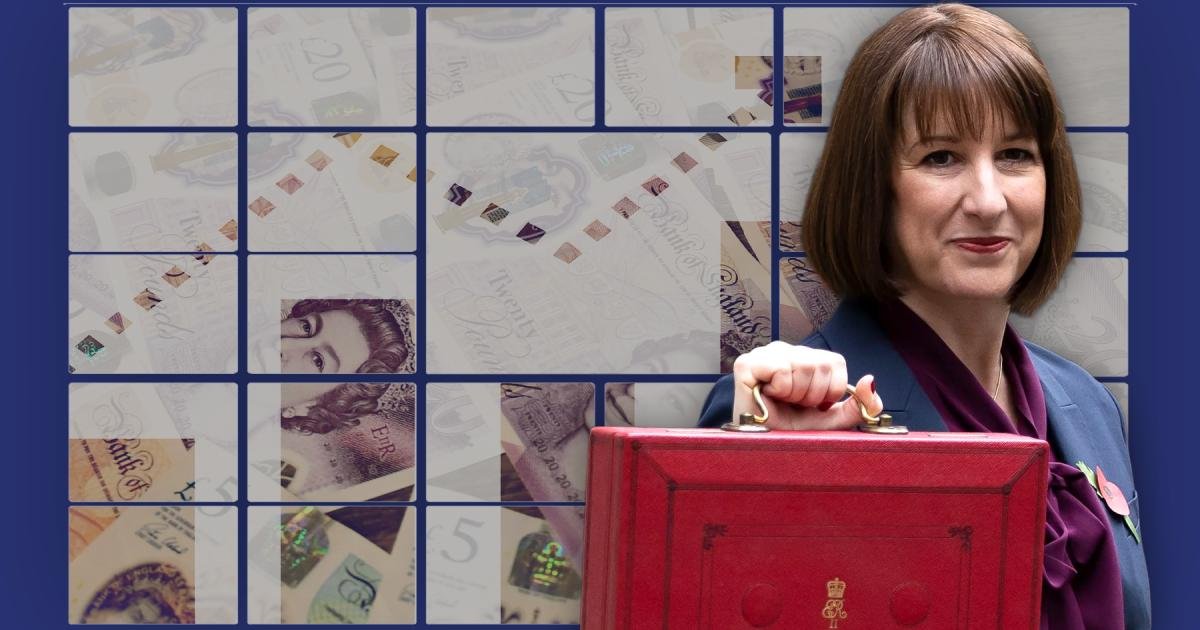
Chancellor Rachel Reeves has faced mounting pressure to unveil fresh help for households, but stopped short of announcing emergency energy support measures in her recent cost-of-living package.
She told MPs the Government was “ready to act” if conditions worsened later this year and said officials were working on plans for possible temporary support for businesses.
So far, ministers have pointed to measures including:
- Extending the 5p fuel duty cut
- Free bus travel for children in England during August
- Lower import tariffs on more than 100 food products
- Reduced VAT on attraction tickets during the summer holidays
But critics say the absence of direct help on energy bills risks squeezing already stretched consumers even harder.
Warning signs already emerging
Economists say households are already cutting back as energy fears grow.
Martin Beck, chief economic adviser at WPI Strategy, said weaker retail sales figures in April showed “energy pressures are biting”.
Recommended reading:
He warned that rising petrol prices, looming bill increases and falling consumer confidence could leave families far more cautious with spending in the months ahead.
Despite April’s 7% drop in the energy cap – helped by Government measures shifting some renewable energy costs away from household bills – analysts say the relief may prove short-lived.
For millions of families, attention is now turning to Wednesday’s Ofgem announcement, and whether it marks the start of another winter energy crisis.