The World Health Organisation has declared the Ebola outbreak as a Public Health Emergency of International Concern (PHEIC).

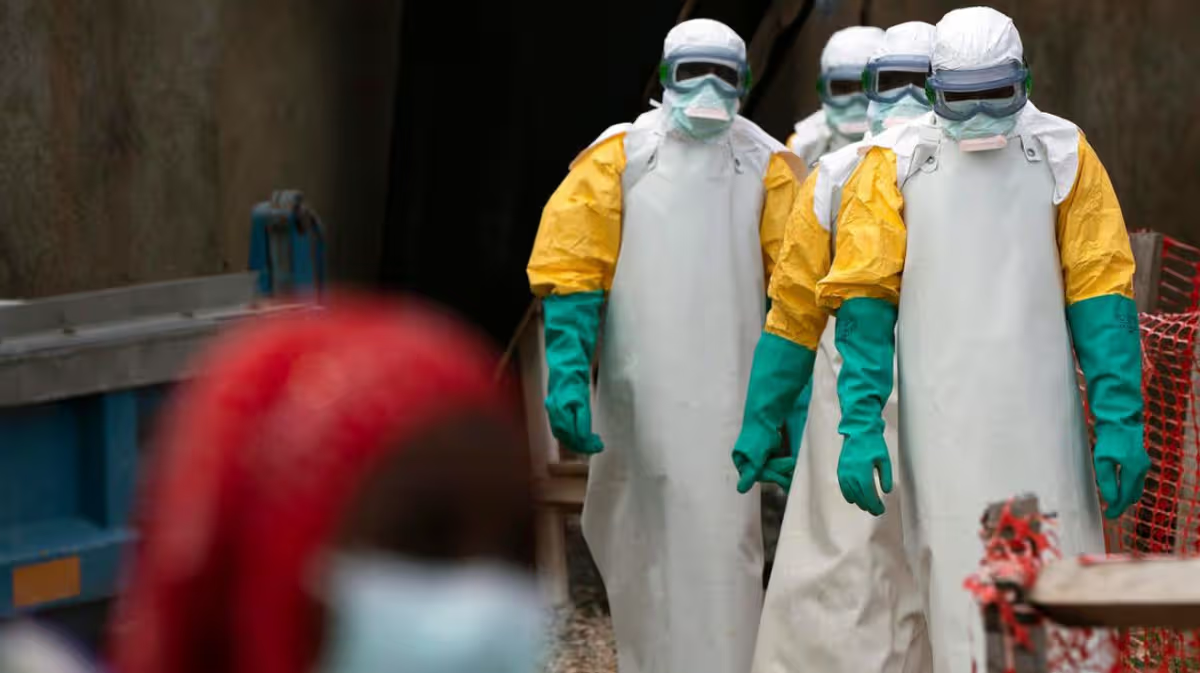
There have been more than 80 deaths that have been recorded in Congo’s Ituri province as part of the outbreak(Image: AP)
The World Health Organisation (WHO) has issued its highest level of global health alert, declaring the Ebola outbreak spreading across the Democratic Republic of the Congo and Uganda a Public Health Emergency of International Concern (PHEIC).
The declaration follows a sharp increase in cases of the Bundibugyo strain of the virus, with health officials cautioning that cross-border transmission, population displacement and continuing conflict in eastern Congo are heightening the risk of further spread.
According to African health authorities, at least 246 suspected cases and over 80 deaths have been recorded in Congo’s Ituri province.
The outbreak is primarily concentrated in the mining towns of Mongwalu and Rwampara, though suspected infections have also appeared in the provincial capital Bunia, the Mirror reports.
Uganda has confirmed a fatal imported case involving a Congolese patient who travelled to Kampala for treatment before succumbing to the disease.
Authorities state there is no evidence yet of widespread local transmission within Uganda.
However emergency surveillance and screening measures have been intensified.
The WHO stated the outbreak warrants a coordinated international response due to the potential for regional spread and the operational difficulties facing health workers on the ground.
Nevertheless, officials have not classified the outbreak as a pandemic emergency.
The Bundibugyo strain is regarded as especially worrying as there are presently no approved vaccines designed specifically to combat it.
The majority of existing Ebola vaccines were created for the more prevalent Zaire strain, which has been responsible for previous fatal outbreaks across central and west Africa.
Medical experts have also expressed alarm about the security conditions in eastern Congo, where armed militias, widespread displacement and inadequate sanitation are hampering attempts to track contacts and contain infections.
This represents the Democratic Republic of the Congo’s 17th documented Ebola outbreak since the virus was initially discovered in the nation in 1976.
The previous outbreak was officially declared over in December 2025.
The WHO, Africa CDC and the US Centers for Disease Control and Prevention are now working together to coordinate support measures, including surveillance, laboratory testing, contact tracing and emergency response deployments.