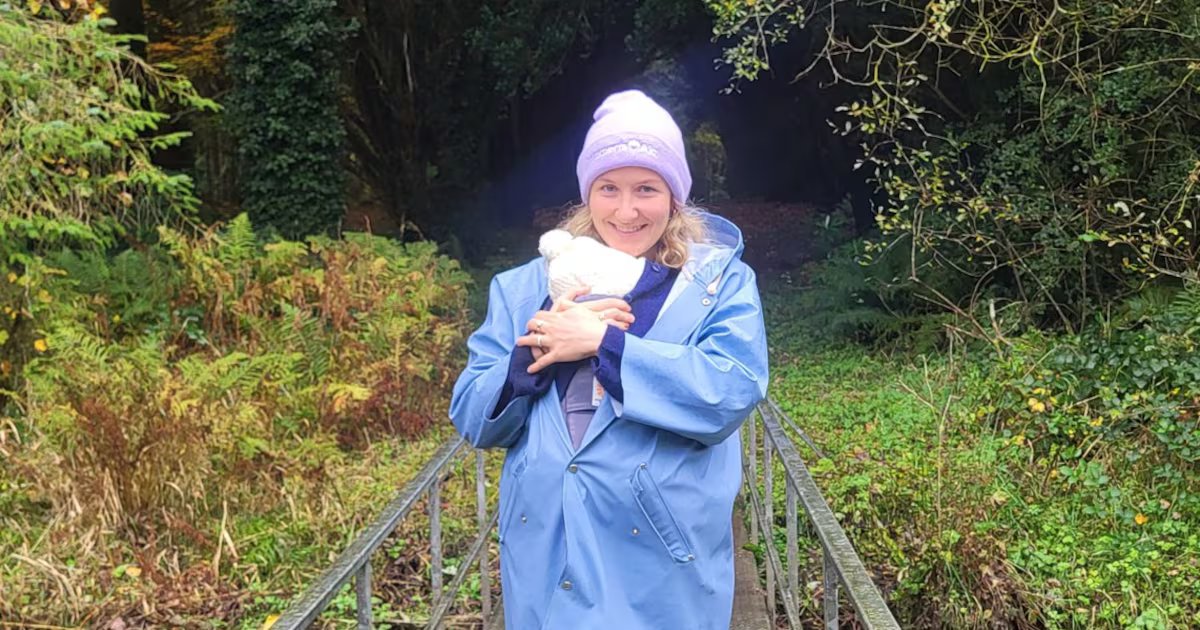
When Collette McEntee found out she was pregnant, she was naturally delighted but also felt somewhat overwhelmed at the prospect of how her life would change.
Like many women, her mood was “up and down” during pregnancy. When her baby, Macha, was born last May, the new mother was overjoyed but also felt the weight of the responsibility.
“I was very aware of the fact that I wasn’t just responsible for myself any more, that this little baby now needed me,” she says. “I felt very anxious at the prospect and sort of overwhelmed by it all, sometimes the smallest things would send me into a complete spiral.
“The baby herself was no problem, but it was all the other bits, and I just would have these outbursts, where I just could not speak. I felt like a child again. It was as if my inner child was trying to deal with whatever was going on.”
This week is Maternal Mental Health Awareness Week. Up to one in five women will experience a mental health problem in pregnancy or once their baby is born, according to the World Health Organisation.
“I knew my hormones were probably going at a rate of 90,” says the Dublin woman. “I felt so bad for feeling and acting like this, both in front of my new baby and also for my partner, Myles. I knew that I needed to get on top of things, so I went to see my GP last October and he said that it was probably postnatal depression.
“I was given a low dose of medication and referred to the Coombe for CBT [cognitive behavioural therapy], but their therapist was on sick leave at the time, so I decided to get my own therapy. I also joined their Mothers in Harmony Choir.”
This innovative, occupational therapy-led group is not only a place for new mothers to get together and engage in a positive activity, it is also important research into the effects of singing on the maternal postnatal depression symptoms for women attending the specialist perinatal mental health service in the Coombe Hospital in Dublin.
[ Expert tips: Advice for the first weeks and months after giving birthOpens in new window ]
The initiative is being led by Geraldine McHugh, the hospital’s senior occupational therapist in specialist perinatal mental health. Groups of mothers attend one-hour singing sessions over 10 weeks, which are specifically designed for them to foster empowerment, community, solidarity and healing.
“Being involved in the choir was absolutely amazing,” says McEntee. “It showed how singing can both strengthen your bond with your baby and also alleviate stress and anxiety. And even though I wasn’t much of a singer to start with, it was such an amazing experience, a real release, and did so much for my mood. I haven’t looked back since.”
Dr Joanne Fenton, consultant psychiatrist at the Coombe, says there are many issues that can affect women who are either pregnant or postpartum.
“The most common mental health disorders include depression and anxiety as well as birth trauma, but there are rarer conditions like puerperal psychosis, and some women also have enduring mental illness and become pregnant,” she says.
Fenton says mothers can present with a variety of symptoms including low mood, sleep disturbance, feelings of hopelessness and worthlessness, socialisolation and loneliness.
“They may also have suicidal ideation or a passive death wish,” she says. “Women may have heightened anxiety, shortness of breath, difficulty breathing and panic attacks. The length of time that the symptoms are present is important in making a diagnosis.
“Initiatives such as Maternal Mental Health Week are very important in highlighting mental health in pregnancy and the postpartum period. Mental health awareness helps reduce the stigma of mental illness and gives mothers an opportunity to share their stories, which helps others on their journey.”
Collette McEntee can attest to this and says that thanks to the intervention of her maternal health team, she is doing very well today.
“I am definitely feeling brighter, even though there are still times that my fears will get on top of me but I just keep going,” she says. “I’m still on the medication for a while and although that might be muting things, it has given me the space to manage my emotions and deal with the changes in my life.
[ Supporting new mothers: ‘Crises should not be the trigger for postnatal care’Opens in new window ]
“I just returned to work [at the National Women’s Council of Ireland] last week and will keep up with the therapy for a while as well, as I think it’s important. The Mothers in Harmony was the best bit as it was a wonderful space for everyone to be open about their feelings as we all came through the perinatal mental health service. We could really do with more spaces like this around the country.
“But if I could give any advice to anyone I would say that it’s really important to open up and be frank about how they are feeling. They should not be afraid to open up – because this will not only help them, but will also encourage others to share their feelings too.”
For more information visit coombe.ie or call 01 408 5200.