The UK is beginning to shift towards a more integrated energy system, with growing focus on how electricity is used as well as generated.
The planned expansion of the Demand Flexibility Service by the National Energy System Operator will reward households for using power during periods of excess renewable generation.
For households with energy storage, the opportunity goes further.
Free or cheaper electricity during low demand periods creates an incentive not just to shift usage, but to store energy for later use.
As renewable generation increases, periods of surplus electricity are becoming more common.
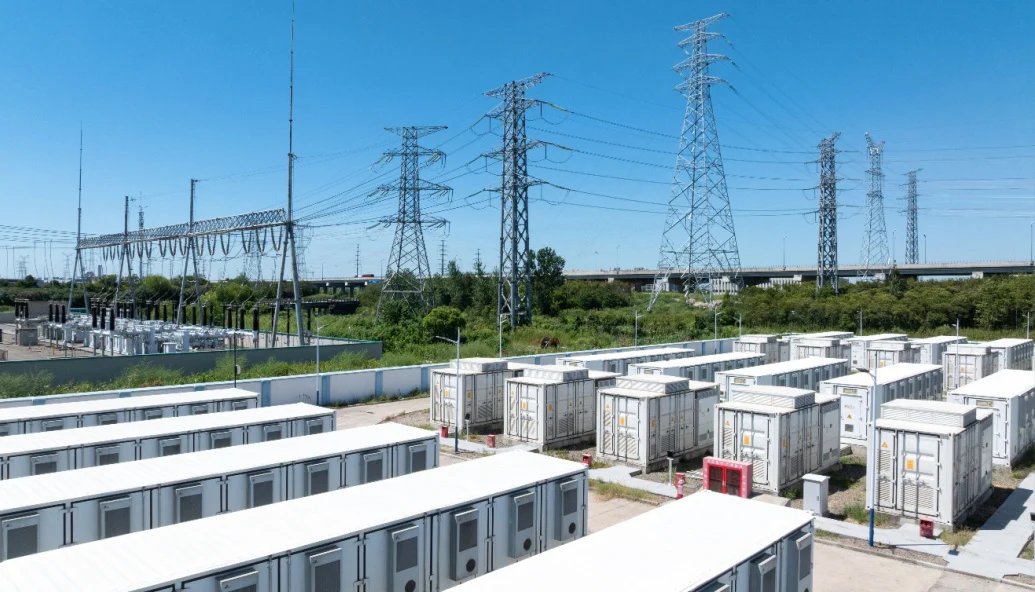
Home battery systems allow households to store cheap or free electricity, use it when prices rise, reduce reliance on fossil fuel backed power and cut bills throughout the year.
Without storage, much of the UK’s growing solar generation is exported back to the grid at low value or wasted. This has led to calls for battery storage to be included in new build housing as part of future standards.
Embedding storage in new homes could help capture solar energy for later use, reduce pressure on local networks and ensure housing is designed for a renewable heavy grid. It could also allow households to automatically benefit from flexible tariffs and reduce infrastructure costs.
However, access remains a key concern. Many households cannot afford battery systems, including those in social housing or already struggling with energy bills.
To avoid widening inequality, experts argue for targeted support such as grants, zero interest loans, community scale storage and protections for vulnerable consumers. Without this, wealthier households may benefit most from flexibility schemes while others face higher peak costs.
As the energy system evolves, storage is increasingly seen as essential infrastructure. Ensuring it is widely accessible will be critical to building a smarter, fairer and more resilient grid.
Copyright © 2026 Energy Live News LtdELN