
A letter from the tax office can trigger immediate concern. For some UK taxpayers, that worry intensified after receiving unexpected correspondence from HM Revenue and Customs demanding money back within just 30 days. The only problem is the tax repayments in question are for refunds issued years ago.
In one case reported by The Telegraph, a taxpayer was told to repay around $1,625 nearly six years after receiving a tax refund. The letter arrived without warning and raised questions about whether HMRC can revisit tax matters after such a long gap. The case has prompted wider concern among households across the UK. If HMRC requests repayment years later, what should taxpayers do next?
A Refund That Returned Years Later
The case involved a pension correction payment made in 2020. The taxpayer had received funds from pension provider LV= after an earlier miscalculation in their pension pot was identified.
Emergency tax had been deducted at the time. The taxpayer’s late husband, a former accountant, had applied for a refund of that tax. HMRC processed the claim and issued a repayment of around $1,625. For several years, the issue appeared settled. However, nearly six years later, HMRC issued a letter requesting the money be returned within 30 days. The tax authority said the refund should have been declared on the taxpayer’s 2020–21 self-assessment return.
Why HMRC May Ask For Repayment
According to reporting in The Telegraph, pensions and savings specialist Charlene Young of AJ Bell explained that such cases can arise under HMRC’s DRIER process. DRIER stands for Duty Repaid In Error Refunded. It is used when HMRC believes a repayment has been made incorrectly and the issue cannot be corrected through standard tax records.
Young explained that the term used by HMRC, referring to a trivial lump sum payment, is a technical classification within pension tax rules. While the wording may sound dismissive, it relates to a specific type of pension withdrawal. In such situations, HMRC may seek to recover tax it believes was overpaid.
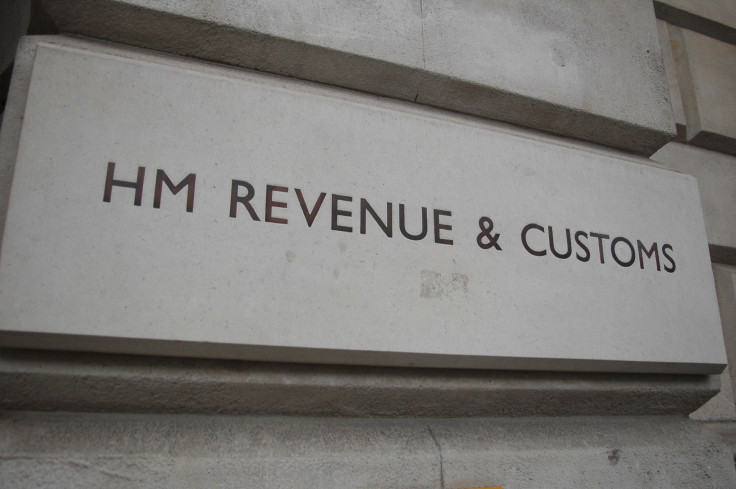
James Hume/Flickr
Do Not Ignore The Letter
Tax advisers stress that HMRC repayment notices should never be ignored. HMRC usually allows 30 days for a response. If no action is taken, interest may be added at a current rate of around 7.75 percent. Continued non-payment can also lead to enforcement action. The first step is to confirm whether the letter is genuine.
Check Before You Pay
Guidance from Citizens Advice recommends verifying any HMRC repayment request through official channels. Taxpayers should log into their HMRC online account or contact HMRC directly using verified contact details. This helps ensure the letter is not part of a scam.
Citizens Advice also suggests checking the reason provided for the repayment request. HMRC should clearly explain how the overpayment occurred. Mistakes can arise if HMRC holds incorrect information, such as income details or changes in personal circumstances.
When Repayment Is Required
If the overpayment is correct, taxpayers are generally required to repay it. However, repayment does not always need to be made in a single lump sum. HMRC offers Time to Pay arrangements, allowing taxpayers to repay in instalments based on what they can afford. This option is often used when immediate repayment would cause financial strain.
When You Can Challenge HMRC
Taxpayers can dispute repayment demands in certain cases. According to guidance from Citizens Advice, a challenge may be possible if HMRC made an error or failed to update records after being informed of a change.
In tax credit cases, overpayments may be reconsidered where taxpayers met all reporting obligations but HMRC did not act on the information correctly. A formal challenge is made through a mandatory reconsideration request, asking HMRC to review its decision.
How Far Back HMRC Can Go
HMRC’s ability to revisit past tax years depends on the circumstances. Generally, HMRC can go back four years for genuine errors. If carelessness is suspected, this extends to six years. For offshore cases, the limit can be up to twelve years. This means older tax matters can still be reopened within legal time limits.
Why Record Keeping Matters
Experts say cases like this highlight the importance of keeping financial records for several years. Tax returns, pension statements and HMRC correspondence can help confirm whether a repayment request is accurate. These documents are often essential if a taxpayer decides to challenge a decision.
A Letter That Should Not Be Ignored
While repayment demands years after a refund can feel alarming, experts stress that ignoring them is the worst option. Taxpayers should verify the request, check the details carefully and contact HMRC if anything appears incorrect.
In some cases repayment will be required. In others, it may be the result of an error that can be corrected or challenged. Either way, quick action is key to avoiding extra costs or enforcement steps.