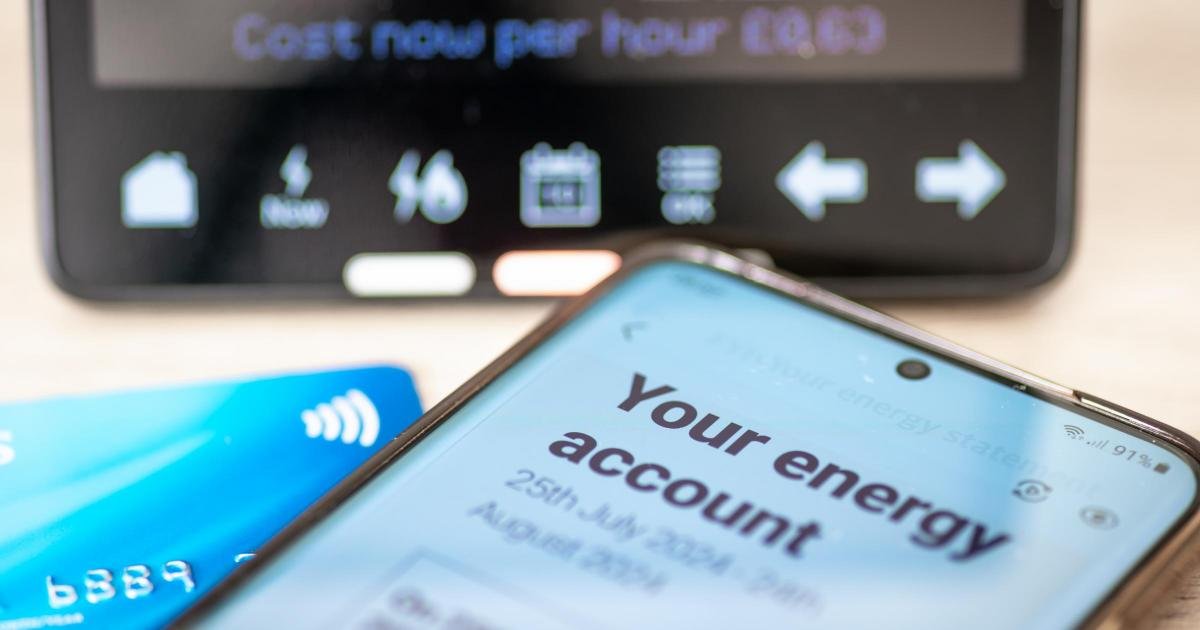
Energy suppliers are sitting on £3 billion of households’ money, reveals research by Uswitch.com.
Consumers should usually exit winter with little to no credit, having used it during the colder months.
They should start rebuilding their credit levels during the spring and summer when energy usage is generally lower.
Energy saving tips – what works and what’s just a myth
However, 16 million households have credit with their energy supplier at the end of this winter.
Overall, credit is £179 million higher than last year, which may be due to a milder winter than expected and direct debits not changing as quickly as energy rates.
Uswitch.com is advising consumers to keep around two months of average monthly payments as credit in their energy account to guard against higher energy costs in the coldest months of the year.
Households without a working smart meter should also regularly supply meter readings to their provider to keep their account balance and direct debit level accurate to avoid overpaying.
Ben Gallizzi, energy expert at Uswitch.com, comments: “More than half of UK households are coming out of the coldest time of year with credit in their energy accounts.
“At this time of year households should generally have used up most of their credit over the colder winter months. However, it is advisable to keep about two months’ worth of payments in energy credit to cover higher winter bills ahead.
“With energy prices predicted to rise in July, households with more than two months of energy credit could consider leaving some of it with their supplier to take some of the sting out of winter bills later this year.
“If you have an excessively high credit balance, you may want to request some of this back, and ask your supplier to check that your direct debit is set at the right level for the amount of energy you use.
“To ensure you are being billed accurately, make sure you submit regular meter readings to your supplier if you do not have a smart meter.”
John Routledge, of Lewes, East Sussex, built up more than £1,000 in energy credit after setting his direct debit high as they were relying on electric heaters ahead of a coming installation of solar panels and a heat pump.
His energy credit has since fallen to below £700, and he plans to withdraw about half and leave the rest as a buffer against higher winter bills.
John, 71, said: “We relied on electric heaters when we first moved in two years ago, so we set the direct debit quite high. After installing a heat pump and solar panels, our usage has dropped a lot, so I feel more confident about our bills.
“I’m thinking of reclaiming part of that, but I’ll keep some as a safety net since energy prices are so volatile, especially with winter bills and the price cap changes being so hard to predict.”