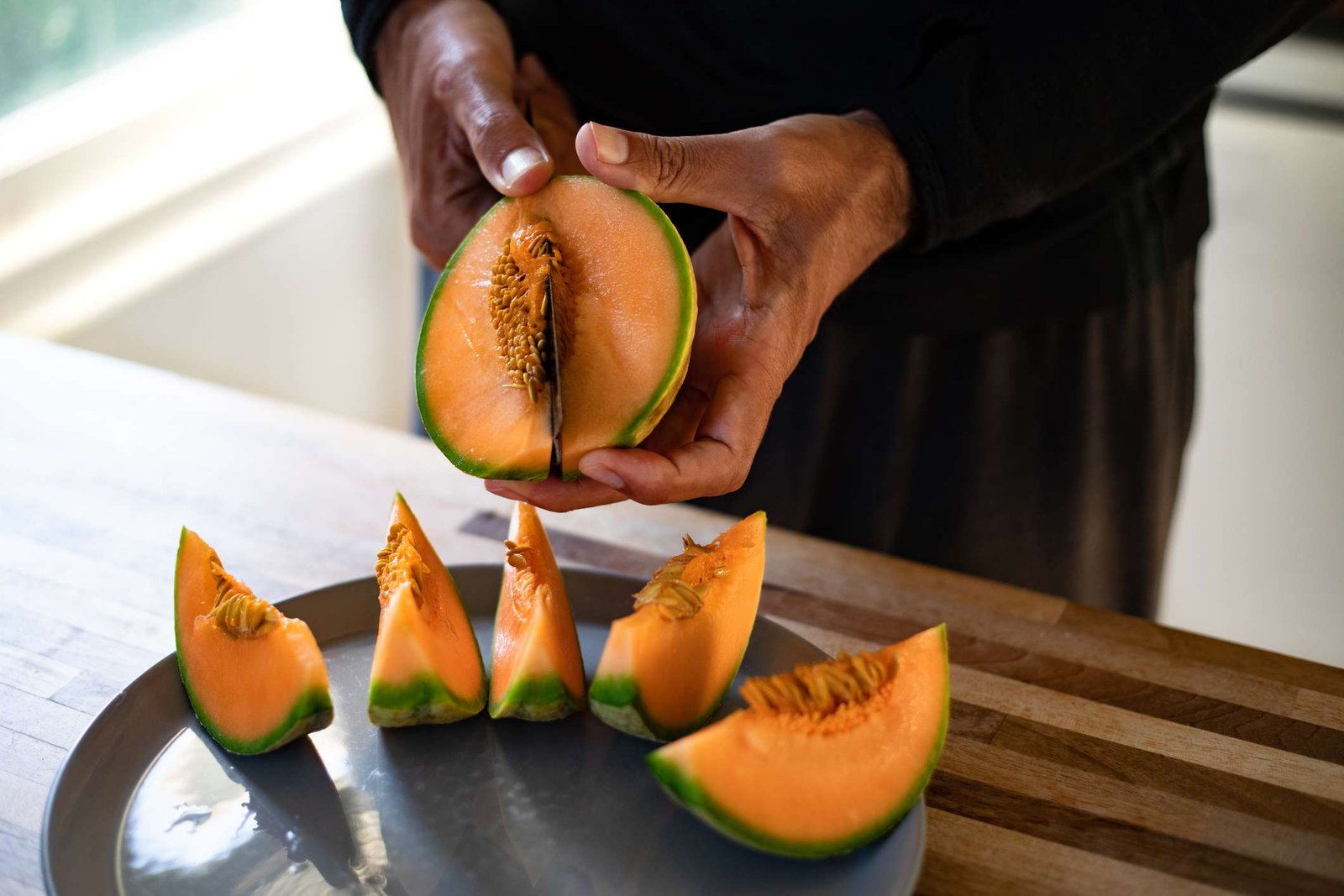
Melons have benefits for your skin health and immunity. hydration. Eating cantaloupe, watermelon, and honeydew supports hydration, which maintains your energy and joint mobility.
Melons are sources of antioxidants, which help get rid of excess harmful free radicals in your body. Free radicals can damage cells over time.
Eating more antioxidant-rich foods has been linked to a lower risk of developing chronic diseases, such as cardiovascular disease and cancer.
Different melons provide different antioxidant profiles. For example:
- Cantaloupe contains beta-carotene, which converts into vitamin A in the body. Vitamin A supports vision and reproductive health. Just 1 cup of cantaloupe provides nearly one-third of your daily vitamin A needs.
- Watermelon is rich in lycopene, the same antioxidant that gives foods like tomatoes and grapefruits their vibrant color. Eating lycopene-rich foods may lower the risk of developing prostate cancer.
About 20% of your hydration comes from food, not just the water you drink. Melons are among the most hydrating fruits, with varieties like cantaloupe and watermelon made up of 90% water.
Staying adequately hydrated helps maintain energy levels, regular bowel movements, and lubricated, mobile joints. Consuming enough fluids is important for preventing dehydration and kidney stones.
Watermelon, honeydew, and cantaloupe are all sources of vitamin C.
Vitamin C supports a healthy immune system by stimulating the production of white blood cells that fight germs that can make you sick. Having low levels of vitamin C may make you more prone to illnesses and infections.
Vitamin C helps your body absorb more non-heme iron from plant foods like nuts, seeds, and beans. Low iron levels can weaken your immune system.
Just 1 cup of cubed cantaloupe fulfills 65% of your daily vitamin C needs.
Vitamin C assists in the production of collagen. Collagen supports skin elasticity and helps with wound healing. As you age, declining collagen stores contribute to the formation of wrinkles.
Eating hydrating melon that is also high in vitamin C may help keep skin better hydrated and more supple.
Melons, such as cantaloupe, are low in calories. However, they are rich in important nutrients like vitamin C and potassium.
One cup of cubed cantaloupe provides:
- Calories: 54
- Fat: 0.3 grams (g)
- Sodium: 25 milligrams (mg)
- Carbohydrates: 13 g
- Fiber: 1.4 g
- Protein: 1.3 g
- Vitamin C: 58.7 mg or about 65% of the Daily Value (DV)
- Potassium: 427 mg, or about 9% of the DV
Most people can safely eat melons. However, some people may need to avoid them, such as:
- People with melon allergies: People with melon allergies need to avoid eating the fruit entirely.
- Some people with irritable bowel syndrome (IBS): If you have IBS, you might be sensitive to FODMAPs, a class of carbohydrates. Watermelon is high in FODMAPs, which can cause abdominal pain, gas, or loose stools.
- People watching their blood sugar: Melons like watermelon contain a lot of natural sugar. Eating large portions could spike blood glucose (sugar). Keep portions small, and pair them with protein (like plain Greek yogurt) or healthy fat (like almonds).
Enjoying the health benefits of melons begins with adding them to your diet.
Pick Ripe Melons
Melons are most delicious when ripe. Ripe melons will feel heavy for their size and have a uniform, symmetrical shape.
Here’s how to pick a ripe melon:
- Watermelon: Look for a watermelon with a dull, dark green rind that has a yellow area (known as a “field spot”). That yellow spot indicates that the watermelon fully ripened in the field instead of getting shipped prematurely to your grocery store.
- Cantaloupe: Look for a cantaloupe with a slightly sweet smell at the stem end and a rough beige or golden (not green) rind.
- Honeydew: Look for a honeydew with a matte white or creamy yellow rind that is smooth and waxy.
Wash Melons Well
Cantaloupe can contain harmful bacteria like Salmonella. Other unwanted bugs can live on the outside of melons, and cutting through the outer rind can transfer bacteria to the inner flesh.
To thoroughly clean melons, follow these steps:
- Run the melon under warm water before slicing.
- You can use baking powder or dish soap if you like, but plain warm water works well, too.
- Use a clean fruit and vegetable brush to scrub the melon skin well. If you use dish soap, rinse it off thoroughly before slicing.
Enjoy Many Ways
You can enjoy melons in many ways, such as:
- In homemade parfaits with plain Greek yogurt and high-fiber toppings like chia seeds
- Added to water for a naturally infused beverage
- Blended and poured into popsicle molds for low-sugar fruit pops
- Wrapped in prosciutto or turkey bacon for a savory snack or appetizer
- Frozen in chunks and blended with fresh lime juice to make a fruit slushy
- Tossed with feta cheese, fresh mint, and olive oil for a salty-sweet salad
- Skewered with mini mozzarella balls and fresh basil leaves