The average council tax for homes in England is set to go up by 4.9%

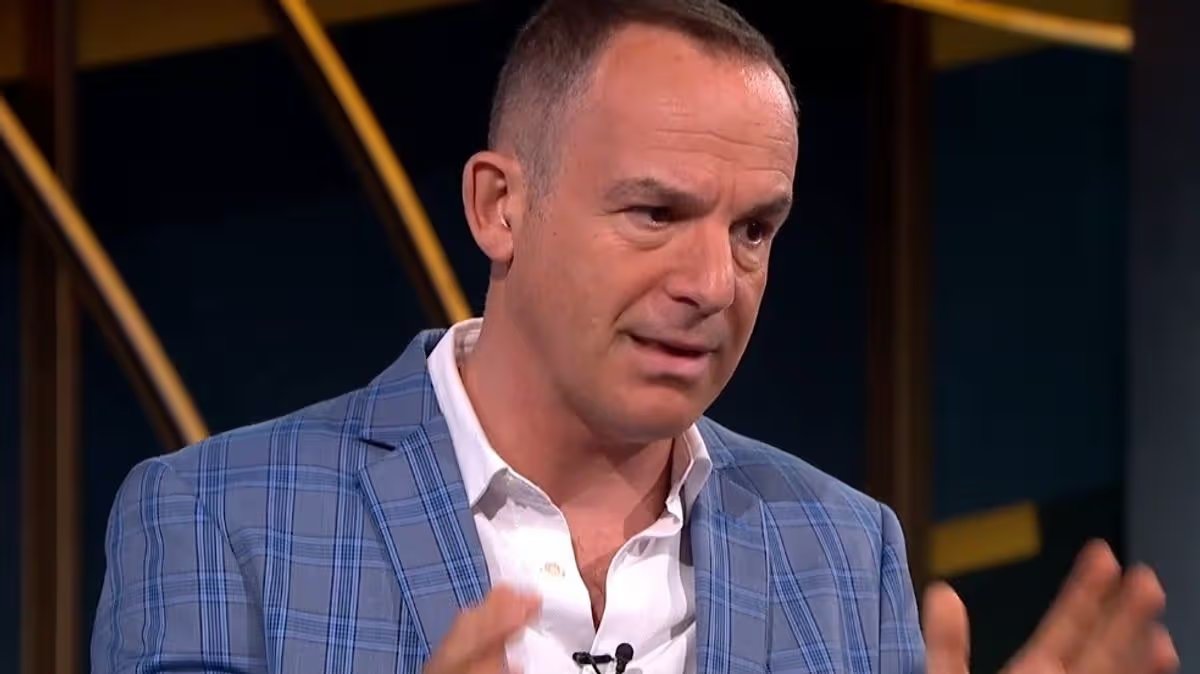
People with dementia, severe stroke or Parkinson’s may be due a council tax discount(Image: ITV)
Council tax is set to go up on April 1, 2026. The exact increase in your bill depends on your location and the local council that oversees your area. Most councils in England are raising rates by the maximum 4.99% permitted without a referendum.
This includes a 2.99% increase for general services and a 2% charge for “adult social care”. The average increase is roughly £111 per year for a standard Band D property, bringing the average bill to £2,392.
People with certain medical conditions may not have to pay council tax, potentially receiving up to a full 100% discount. To qualify, they need a doctor’s diagnosis and must receive certain benefits. You can apply for this discount on your local council website.
People who have a medically diagnosed, permanent ‘Severe Mental Impairment’ (SMI), like dementia, Parkinson’s disease, major learning challenges, and the effects of a stroke, might be able to get a council tax discount of 25% to 100%, according to Martin Lewis founded Money Saving Expert (MSE). To be eligible, you need a medical certificate that proves you have a permanent condition that impacts your thinking and social skills, as well as receiving certain benefits.
MSE says: “The SMI Council Tax discount is a reduction of a household’s Council Tax bill, worth, at a minimum, 25%, all the way up to, in some cases, the entire bill being wiped. SMI is a medical diagnosis in itself, but the underlying cause could be a condition such as dementia (including Alzheimer’s), profound learning difficulties, multiple sclerosis, the result of a severe stroke or something else.”
Speaking about the discount on a previous episode of The Martin Lewis Money Show, the finance expert said: “A severe mental impairment – horrible term not mine – is defined as a severe mental impairment of intelligence and social functioning which appears to be permanent. To qualify for a discount, it must be medically certified; you need a doctor to sign.”
The discount you can get depends on your living situation
Council Tax is discounted according to the number of qualifying adults in a household, MSE says.
- A person with SMI who is living alone can get 100% discount on their household.
- A person with SMI who is living with an adult carer can get 50% on their household.
- A person with SMI who lives with one qualifying adult can get a 25% discount on their household.
- A person with SMI who is living with two or more qualifying adults won’t get a discount
MSE adds: “And just to be clear, if there are under-18s, full-time students or others with SMI in the household as well, they don’t change the situation above (as they don’t count towards Council Tax either) – so a household where someone with an SMI lives with an under-18 still gets the 100% discount.”
READ MORE: Martin Lewis flags ’21-day rule’ for motorists to slash cost of drivingREAD MORE: ‘I was given just a fraction of my oil order – then told to buy more at scandalous price’
Who can get the SMI Council Tax discount?
MSE says there are two criteria that must be met by someone who’s severely mentally impaired in order to qualify for this Council Tax discount. The first is that they’ve been medically certified as being ‘severely mentally impaired’. MSE explains: “For example, this may be the case if they have dementia (including Alzheimer’s), Parkinson’s, severe learning difficulties, multiple sclerosis, complications from cerebral palsy or have had a stroke.”
Medical conditions classified as SMI for council tax exemption:
- Dementia (including Alzheimer’s disease)
- Parkinson’s disease
- Severe learning difficulties
- Multiple sclerosis
- Long-lasting effects of a severe stroke
- Schizophrenia
- Schizoaffective disorder
- Other severe, permanent cognitive disorders
Whether someone qualifies for the discount depends on their specific situation. Just because a person has been diagnosed with one of these conditions doesn’t mean they automatically get the discount. A doctor needs to confirm that they are ‘severely mentally impaired’. Also, GPs cannot charge you for this certification.
Secondly, if they’re receiving at least one of the following benefits, though this may differ in Scotland:
- Incapacity benefit
- Attendance allowance
- Severe disablement allowance
- Disability living allowance (higher or middle-rate care component)
- Increase in disablement pension (due to constant attendance being needed)
- Unemployability supplement or allowance
- Constant attendance allowance
- Income support (which includes a disability premium)
- Personal independence payment (standard or enhanced daily living component)
- Armed forces independence payment
In England and Wales, you can also receive disability working allowance (based on getting income support including disability premium) and universal credit (including an element for limited capability for work or limited capability for work and work-related activity). In Scotland, you can also be eligible for receiving tax credits (including disability element), employment and support allowance and universal credit.
MSE emphasised: “It used to be the case in England and Wales that the person only had to be eligible for – but not necessarily actually receiving – the qualifying benefit, but this changed following a High Court ruling. The law is less clear cut in Scotland, and so with some Scottish councils it’s fine if you’re just eligible for the qualifying benefit, while with others you’ll need to actually be receiving the benefit. It’s a bit of a postcode lottery.”