When consumers pick up a packaged food product today, one question increasingly shapes their decision: is this product truly what it claims to be?
Rising awareness around food adulteration and misleading claims has made consumers far more cautious about what they consume. Yet, despite improvements in food regulations and labelling standards, buyers still have very limited visibility into how the crops behind these products were grown, where the ingredients originated, and what practices shaped their journey from farm to shelf. In many ways, modern food systems remain efficient but opaque, leaving consumers to rely largely on brand trust rather than verifiable information.
Bridging this transparency gap is emerging as one of the most important challenges in the evolving food ecosystem and increasingly, technology is offering a way forward.
Credible record
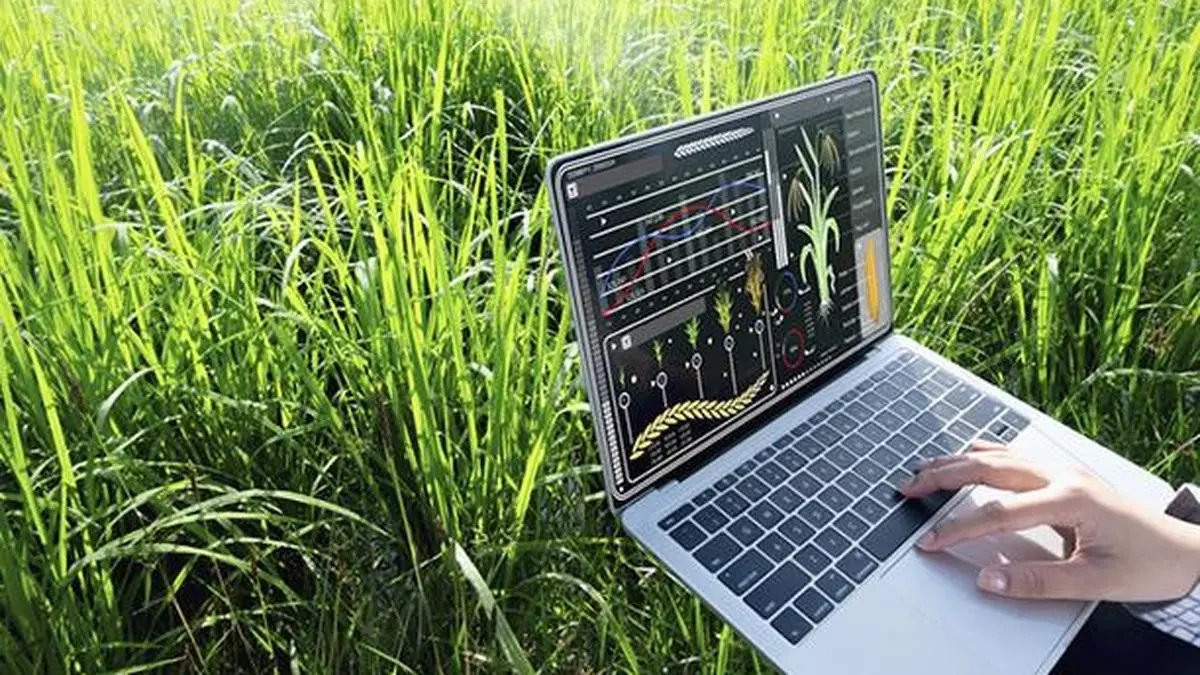
Real-time crop monitoring systems powered by artificial intelligence, digital sensors, and farm-level data platforms are enabling agricultural ecosystems to capture critical information during cultivation. Data related to crop health, soil conditions, irrigation cycles, and farming practices can now be recorded throughout the growing season. When stored digitally and analysed through AI systems, this information creates a credible record of how crops were produced long before they enter processing or distribution networks.
Agricultural supply chains are inherently complex, and it is not practical to physically track every grain or ingredient as it moves through aggregation, milling, and processing stages. However, technology can still create a meaningful layer of transparency by linking farm-level monitoring data to procurement and production batches. When this information is made accessible through mechanisms such as QR codes or digital traceability platforms, consumers can gain visibility into aspects of a product’s origin and cultivation practices that were previously invisible.
This transparency can help address an important gap in how consumers interpret food labels. Take the example of multigrain wheat flour, a category widely marketed for its nutritional benefits because it contains multiple grains or so-called superfoods. While ingredient lists may disclose percentages as required by regulations, such information does not always help consumers clearly understand the nutritional contribution or sourcing integrity of those ingredients. The consumer’s real concern is often simpler: does the product genuinely deliver the nutritional value it claims?
Rewarding transparency
Technology-driven systems can help provide that additional context. When agricultural data captured during cultivation and processing is combined with AI-led analysis, it can translate complex farm-level information into simpler insights about sourcing practices, ingredient quality, and nutritional relevance. In this way, digital transparency can complement traditional labeling and help consumers better understand what lies behind the product they are purchasing.
At HariBol, we see technology as an important enabler of this evolving transparency architecture. Across parts of our ecosystem, we are integrating real-time monitoring systems and AI-led analysis to capture agricultural data during cultivation and connect it to the products that reach consumers. While such systems cannot track every individual grain through the supply chain, they help create a credible framework of information that strengthens confidence in how food is produced.
The implications extend beyond consumer trust. Real-time monitoring technologies help farmers manage crops more effectively while also making their practices and crop quality more visible within the value chain. When markets begin to recognise and reward this transparency, it can create opportunities for better price realisation and stronger, more stable farmer incomes.
As technology continues to integrate into agriculture, its role will extend beyond improving farm productivity. By connecting what happens in the field with what ultimately reaches the consumer, real-time monitoring and AI-driven transparency systems have the potential to transform food supply chains into ecosystems built on credible data, trust, and shared value for both consumers and farmers.
(The author is Chief Seva Officer & CEO, Haribol)
Published on March 22, 2026