Dubai is poised to emerge as one of the biggest beneficiaries of a historic global wealth transfer, as a new report from Dubai International Financial Centre (DIFC) reveals how demographic shifts, market volatility and new investment priorities are transforming where and how the world’s richest families deploy their capital.
Released as the first publication in the Centre’s 2026 Future of Finance series, the report — Global Wealth Outlook: Rethinking growth in a changing world — outlines how high‑net‑worth individuals (HNWIs) are reassessing strategies amid a rapidly changing financial landscape. With nearly 23 million wealthy individuals holding an estimated USD 87 trillion, their decisions are reshaping global capital flows and placing Dubai firmly on the map as a preferred destination for private wealth.
According to the report, a structural realignment is under way in global wealth management. Persistent market volatility, geoeconomic uncertainty and divergent regulations have made geography as important as asset allocation in long-term wealth planning. Jurisdictional stability, clarity and resilience have become core considerations — areas where Dubai is rapidly consolidating its appeal.
A key driver behind this shift is the massive $124 trillion intergenerational wealth transfer expected by 2048. As younger heirs step into leadership roles within family enterprises, their priorities are reshaping investment behaviour. The next generation of wealth holders is pursuing “multi‑dimensional prosperity”: financial returns alongside resilience against market drawdowns, portfolio flexibility, stronger family unity, reputational strength and measurable environmental and social impact.
This generational shift is steering capital towards private markets, artificial intelligence, sustainability and impact investments. Notably, women — who now make up more than 10 per cent of ultra‑high‑net‑worth individuals (UHNWIs) — are set to inherit 95 per cent of $54 trillion in inter‑spousal transfers. Female wealth leaders, the report notes, tend to prioritise ethical, mission‑driven investments, from renewable energy to philanthropic ventures.
AI is emerging as one of the most sought‑after sectors among HNWIs, especially for its potential to improve healthcare, education and resource efficiency. Sustainable investments are also gaining momentum, with renewable energy projected to see some of the fastest growth in private portfolios. The ultra‑wealthy are “moving beyond rhetoric,” the report states, and backing sustainability with substantial capital commitments.
The shift in wealth priorities is also transforming expectations of advisers. Beyond technical financial skills, advisers are now required to master private deal structures, leverage data‑driven insights and navigate complex family dynamics. Despite advances in technology, wealth management remains a deeply human profession centred on trust, relationships and personalised understanding.
Arif Amiri, CEO of DIFC Authority, said the global wealth landscape is undergoing a fundamental transition. “Increasingly, geographical allocation is becoming as important as how wealth is invested,” he said. “Dubai, and in particular DIFC, has anticipated this shift and offers a stable and globally connected environment with regulatory clarity.”
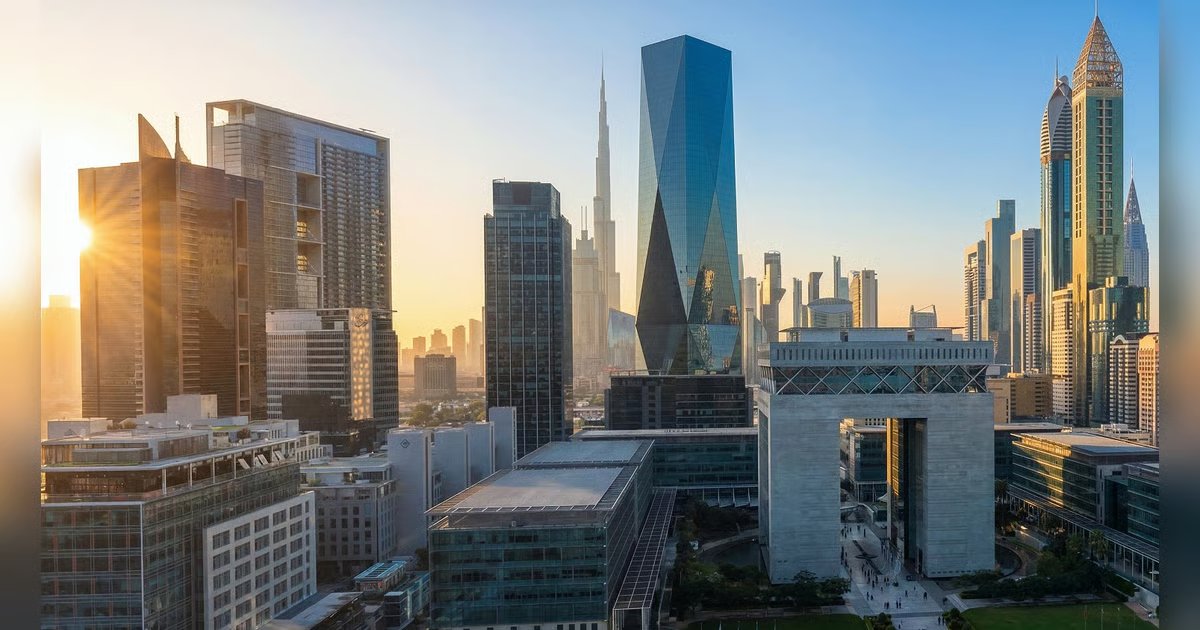
The report highlights Dubai’s growing stature as a global hub for private and family capital. The UAE attracted approximately 9,800 new millionaires in 2025 — the highest net inflow worldwide — with most settling in Dubai, according to Henley & Partners. DIFC itself hosts more than 1,289 family‑related entities, the largest such ecosystem in the country.
As family offices become more sophisticated, DIFC is expanding its offerings, including the pioneering DIFC Family Wealth Centre, designed to support multigenerational families with governance, education and strategic planning.