MILAN, Ill. (KWQC) – Starting January 1, 2026, Illinois will eliminate its 1% tax on grocery items. It’s a topic that’s creating a big back and fourth between city officials and consumers.
On Monday, Governor J.B. Pritzker signed a bill that was passed during a recent legislative session. While the tax is repealed statewide, local governments can decide to keep it within their community.
Several Illinois cities listed within the QCA that have readily available numbers for their 1% tax on grocery items include:
- East Moline at $579,000
- Milan at $570,000
- Sterling at $500,000 to $1M
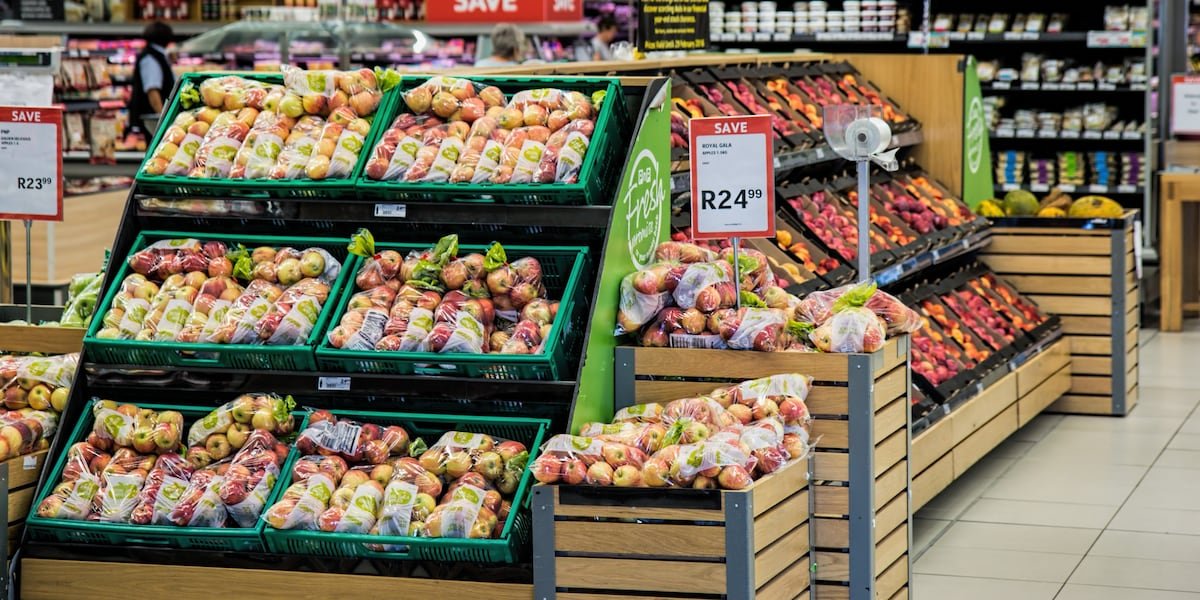
The tax applies to grocery items intended to be consumed outside of the store and impacts every city in Illinois.
Each city will have until October 2025 to avoid a lapse in revenue.
“Even with inflation cooling off every dollar counts, so I’m proud we’re doing what we can to make trips to the grocery store a little easier,” said Gov. Pritzker. “It’s one more important part of lifting the burden on Illinois families. Establishing a child tax credit, eliminating medical debt, lowering the cost of healthcare, making college more affordable, bringing quality childcare closer to home so moms and dads can go to work- these are not esoteric policy proposals but actually do lift burdens everyday Illinoisans face.”
TV6 had last reported on Gov. Pritzker’s plan to eliminate the grocery sales tax back in March.
When TV6 spoke to officials at the City of Rock Island, they said this would result in an estimated $1M loss in revenue and take away from the funding used for public safety and other services.
Rock Island mayor Mike Thoms said he is concerned about how’re they going to make up for the loss in revenue.
Illinois grocery sales tax
Illinois is one of 11 states that taxes groceries.
Copyright 2024 KWQC. All rights reserved.