Golden visas, shifting tax regimes, and the new global wealth playbook.
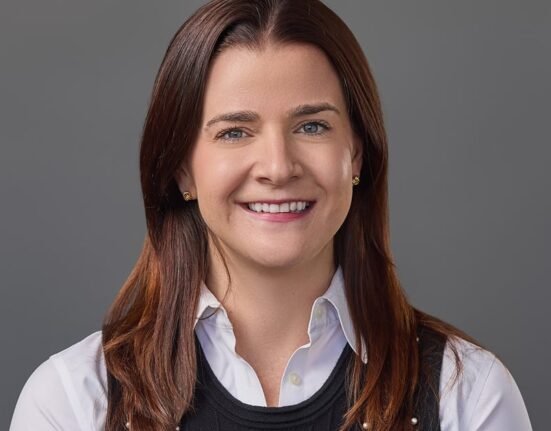
When borders closed during the pandemic, something unexpected happened among ultra-wealthy Americans – interest in moving abroad spiked – and according to Shelly Meerovitch, co-head of Global Families at Bernstein Private Wealth Management, the trend hasn’t slowed since.
She has been sharing her insights with InvestmentNews and says that more American clients are expressing interest in exploring their options overseas.
“Factors like the allure of golden visas, concerns over geopolitical events and adult children and grandchildren who venture abroad for education or work are driving Americans to explore relocation overseas,” she says, noting that it’s not just a US phenomenon as UHNW families in Europe are also on the move due to tax regime and political changes.
“These new developments present opportunities for advisors to engage in cross-border wealth planning for their clients,” she says. “Advisors can play a crucial role in helping clients navigate the complexities of balancing geopolitical and market diversification with US tax and reporting obligations.”
Tax trap
With US citizens subject to US tax and reporting obligations on their worldwide assets and income Meerovitch says wealthy families can be caught off guard by this double exposure in seemingly simple investments.
“Investing in a foreign asset like an ETF can classify a US client as owning a passive foreign investment company, triggering additional reporting obligations and adverse US income tax consequences,” she warns.
Advisors, she argues, must have “specialized knowledge and expertise” to help clients pursue diversification while avoiding costly missteps.
And she says that strategies that may work domestically may not translate internationally.
“While US estate plans commonly utilize trusts to reduce the impact of US transfer taxes, it is important to recognize that trusts may not be as widely recognized in other countries,” Meerovitch says. “In some jurisdictions, trusts are not even considered legal entities, potentially leading to unintended tax consequences for both the grantor and beneficiaries.”
But pitfalls can be avoided by working in cooperation with local experts.
“Expats should collaborate with both their local and US legal advisors to structure their estate plans in a way that accounts for both US laws and the laws of the country where they will reside,” she says.
Adding complexity for advisors and their clients, is the often transient nature of UHNW families and their investments.
“It is rare for UHNW families to live and invest solely within one jurisdiction,” Meerovitch says. “Changes in tax laws may also require amendments to trust documents, further definition or exclusion of some family members as beneficiaries or adjustments to investment strategies to ensure compliance with multiple tax laws.”
The pace of change, she stresses, again requires a coordinated approach with collaboration with advisors in each jurisdiction.
Next-gen clients
As for the next generation, Meerovitch believes the key is flexibility.
“Advisors can play a central role in future-proofing their clients’ legacies. But flexibility is the key to ensuring family structures and legacies remain relevant over time,” she says, including “the ability to split trusts, amend them, change trustees, or migrate trusts to a new jurisdiction.”
But the importance of family governance is also key.
“By fostering that open community and establishing clear decision-making processes, families can ensure that their legacies are preserved and that their wealth planning structures remain adaptable and resilient in the face of change,” Meerovitch says. “Advisors can guide clients on and facilitate the implementation of these strategies to ensure legacy plans remain relevant while navigating the complexities of a global structure.”