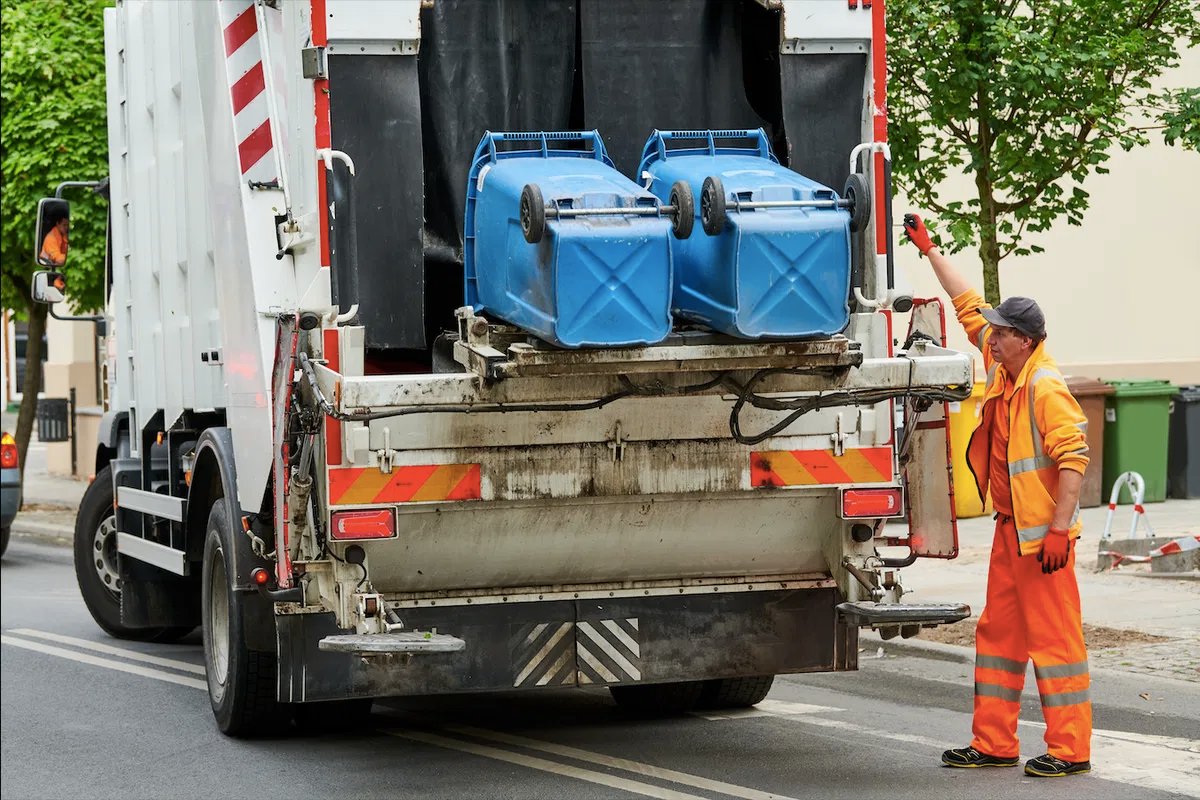
The process for claiming a refund could involve submitting proof of payment. Photo credit: Dmitry Kalinovsky/Shutterstock
The controversial waste management tax (tasa de basuras) introduced by Spanish municipalities faces mounting legal scrutiny, as financial inspectors warn it may be declared invalid by the courts. According to the Asociación Nacional de Inspectores de la Hacienda Pública Local (ANIHPL), the tax could generate over €3.4 billion nationwide – a figure that might need to be refunded if the judiciary rules against it.
The warning follows recent cases such as León, where the Tribunal Superior de Justicia de Castilla y León annulled the local waste fee earlier this year. As more municipalities face similar appeals, the potential financial impact for local councils, and the possible windfall for taxpayers, grows increasingly significant.
Why the Tax Faces Legal Uncertainty
Municipal Competence and Double Charging
At the heart of the dispute lies the question of whether Spanish councils have overstepped their powers. Critics argue that the waste tax constitutes a double charge, since waste collection is already covered by general local taxation. ANIHPL suggests that many councils failed to provide detailed justifications for their new rates or link them proportionally to the cost of the service, breaching legal and constitutional requirements.
If the courts agree, municipalities could be forced to reimburse millions of residents and businesses. This would not only deliver relief to Spanish taxpayers but also spark a financial crisis for local administrations already struggling with tight budgets and rising environmental costs.
Impact on Spanish Residents and Expats
Rising Bills, Uncertain Refunds
For residents and foreign homeowners, the waste fee has been a fresh financial burden in an already inflation-strapped year. Many expats in regions such as Andalucia, Valencia and the Balearic Islands have reported higher annual council bills, often without clear explanations of the new charges.
If the tax is declared void, residents could claim refunds for payments already made, though the process would vary by region. Legal experts warn that reimbursements may take months or even years, depending on how quickly councils adapt to court rulings and whether they appeal decisions. Some local authorities have already begun issuing refunds on annulled receipts, such as in León, setting a precedent for others to follow.
Expat Concerns Over Administrative Complexity
Expats, who often navigate Spain’s local tax systems through property managers or lawyers, may face additional hurdles. The process for claiming a refund could involve submitting proof of payment and engaging with local tax offices in Spanish, posing linguistic and bureaucratic challenges. Property owners renting out holiday homes might also face uncertainty over how the refund interacts with tourist tax declarations or rental income filings.
However, legal analysts believe the overall impact on individuals could be positive in the long run. “If the courts invalidate the fee, it will reaffirm taxpayer protections against arbitrary municipal charges,” said a Madrid-based tax lawyer. “It will also pressure councils to ensure transparency and proper service justification in future.”
Key Points
- The ANIHPL estimates the waste tax could amount to €3.4 billion, potentially refundable if declared illegal.
- The León case has already set a precedent, with the city beginning to return annulled payments.
- Expats may face administrative challenges when claiming refunds, but could benefit from greater financial transparency.
- Local governments risk major revenue losses, prompting fears of cuts to other municipal services.
Broader Economic Implications
Local Finances and Environmental Policy
Economists warn that widespread annulment of the waste fee could destabilise local budgets, forcing councils to find alternative funding for rubbish collection. Some regions may seek to reclassify the charge as a service fee or increase other local taxes to fill the gap.
Environmental advocates argue that while transparency is vital, the tax was intended to encourage recycling and sustainable waste management, aligning with EU environmental targets. They warn that scrapping the fee without replacing it could hinder Spain’s progress toward its 2030 waste-reduction commitments.
Refunds, Reforms and Responsibility
As legal proceedings advance, Spain faces a delicate balancing act between fiscal fairness and environmental responsibility. For residents, both Spanish and foreign, the outcome could mean the recovery of hundreds or even thousands of euros in wrongly charged fees.
But for town halls, a nationwide invalidation would create a financial headache, potentially reshaping how local services are funded in the future. Whether Spain’s justice system sides with taxpayers or municipalities, the case has already reignited debate about transparency, accountability and value for money in local governance.