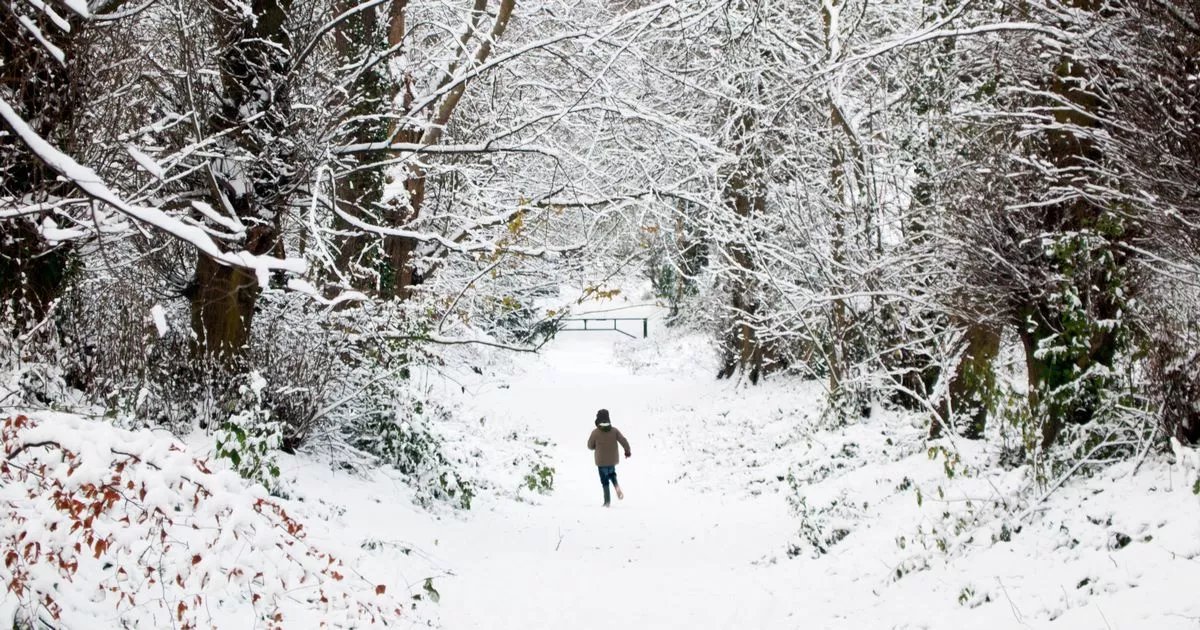
A yellow cold weather warning has been issued in parts of the UK
Brits are being warned to brace themselves for a severe drop in temperature this week, which could pose serious health risks for some. The chilly weather is not just uncomfortable – it can lead to serious health complications.
While most of us might just feel a bit nippy, for others the cold snap could mean a flare-up of severe illnesses or worsening conditions. The winter months often see an increase in flu, common colds and Covid-19 cases, but those with long-term health conditions may find their symptoms worsen when the mercury drops.
As such, it is crucial that vulnerable individuals keep their homes warm and dress appropriately if they need to go outside. This comes as the UK Health Security Agency (UKHSA) issued a yellow cold weather warning until 8am on Friday, November 21.
The warning covers the North East, North West, East Midlands, West Midlands, and Yorkshire and The Humber. The UKHSA issues these warnings when drastic temperature changes could impact people’s health and wellbeing.
Moreover, the Met Office has confirmed that areas of Britain could witness snow and ice this week following the nation’s experience of above-average temperatures for this period of the year. Met Office chief meteorologist Dan Holley explained the upcoming cold snap wave is being triggered by high pressure to the northwest.
He emphasised that this will “drive a cold northerly flow from the arctic” which could bring “much colder conditions than of late”. Meanwhile, current Met Office forecasts indicate that temperatures could plummet as low as -7C in certain regions this week.
READ MORE: Hit-and-run driver remains at large after nearly killing mumREAD MORE: ‘I was buried alive for five hours but still survived’
People most at risk from the cold
Guidance from the UKHSA notes that the following nine people are particularly at a serious risk of experiencing health issues during this cold period:
- People with long-term health conditions such as cardiovascular or respiratory disease, or a mental health condition
- People living in deprived circumstances
- Pregnant women
- People aged 65 years and over
- People who are housebound or have low mobility
- Young children – especially those aged 5 and under
- People with learning disabilities
- People at risk of falls
- People who live alone and may be unable to care for themselves
The agency also points out that several external factors could heighten your risk of being more vulnerable to the cold, such as substandard housing, snow and ice, and a higher prevalence of infectious diseases.
Keeping your home warm
One crucial measure you can take to mitigate any complications from the cold weather is to ensure your home is sufficiently heated when needed. Generally, it’s recommended that rooms you spend a significant amount of time in should be heated to at least 18C.
If your home isn’t warming up despite having the central heating or electric heater on, it might be time to make some minor adjustments. Check for any unsealed doors or windows that could be letting in a draught, as this can allow cold air from outside to infiltrate your home.
It is also crucial to ensure your home is properly insulated, which can help minimise heat loss. If you’re worried about the potential health impacts of cold weather, consider signing up for UKHSA weather health alerts.
These provide early warnings for any severe temperatures that could affect your health. You can register for these alerts online here.