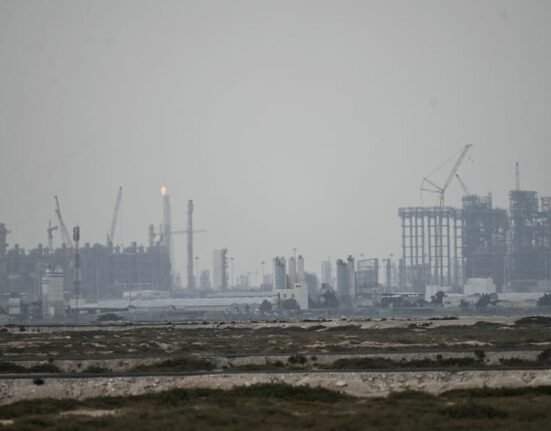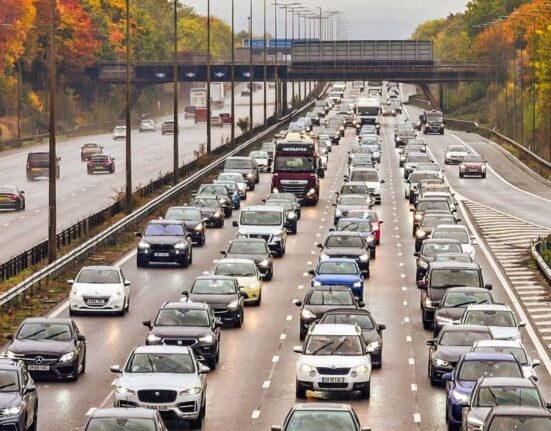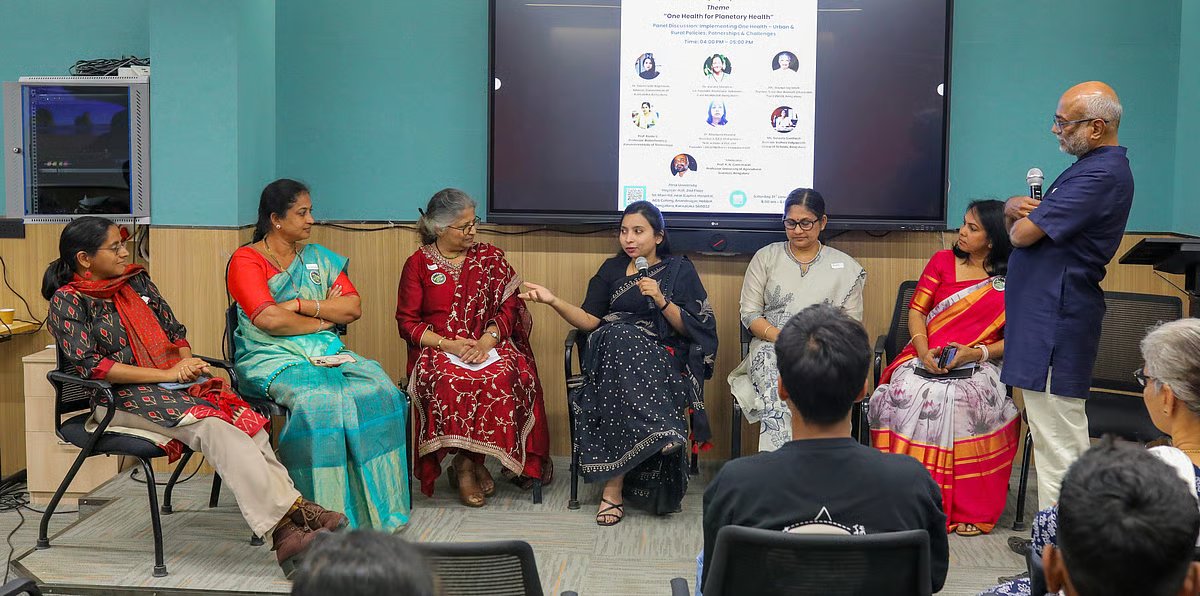
“Conservation is the first public health intervention we have,” he said, noting that ecosystems function as biological barriers against zoonotic diseases. He warned that deforestation, road expansion and urbanisation are increasing contact between wildlife and humans, raising the risk of spillover events. He also said wildlife trade worsens the situation by forcing together species that would not naturally interact, creating conditions for new pathogens to emerge.
Dr Murali also pointed to climate change as an additional risk factor. He said rising temperatures and habitat loss place physiological stress on animals, weaken their immunity and increase pathogen shedding. “We are actively dismantling what nature has built,” he said, stressing that preventing disease through ecosystem protection is far more effective and economical than responding after outbreaks occur.
Professor Utpal Tatu, Professor & Chairman, Department of Biochemistry, Indian Institute of Science (IISc), said zoonotic diseases are no longer distant or rare threats. “Zoonotic diseases are not textbook concepts anymore – they are happening around us,” he said, pointing out that many infectious diseases affecting humans originate in animals.
Referring to rabies, Prof Tatu said India accounts for nearly half of global rabies deaths despite the disease being preventable. He noted that limited genomic data on rabies viruses circulating in the country restricts understanding of why disease outcomes vary widely. “We still do not understand enough about rabies,” he said, adding that genomic surveillance can help trace virus origins and transmission patterns.