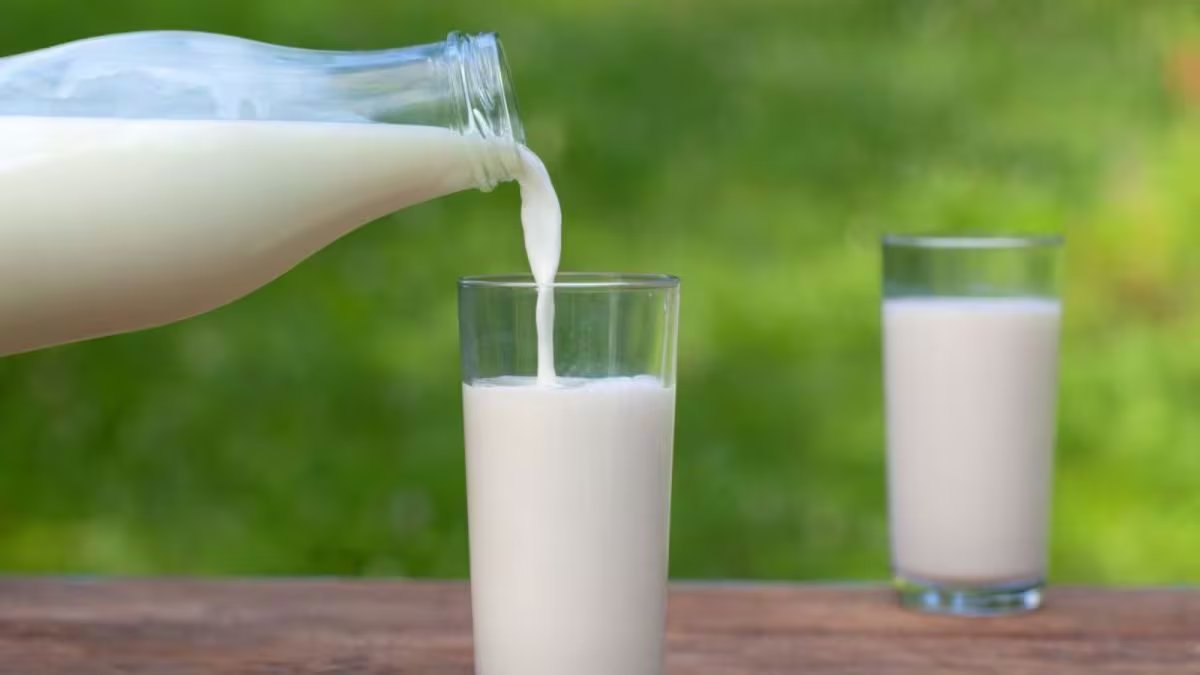

Drinking a daily glass of milk is often promoted as a simple way to stay healthy. Rich in calcium, protein and vitamin D, milk is widely considered essential for children’s growth and for maintaining bone strength and overall health in adults. However, nutrition experts caution that milk is not suitable for everyone and, in certain cases, can do more harm than good. (News18 Telugu)
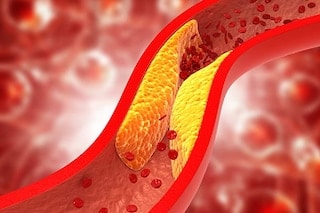
Heart problems or high cholesterol: Those with heart disease or high cholesterol are advised to be cautious, as full-cream milk contains high levels of saturated fat, which can raise low-density lipoprotein (LDL), or “bad” cholesterol, increasing the risk of heart attacks. Doctors recommend opting for low-fat or skimmed milk and dairy products in such cases. (News18 Telugu)
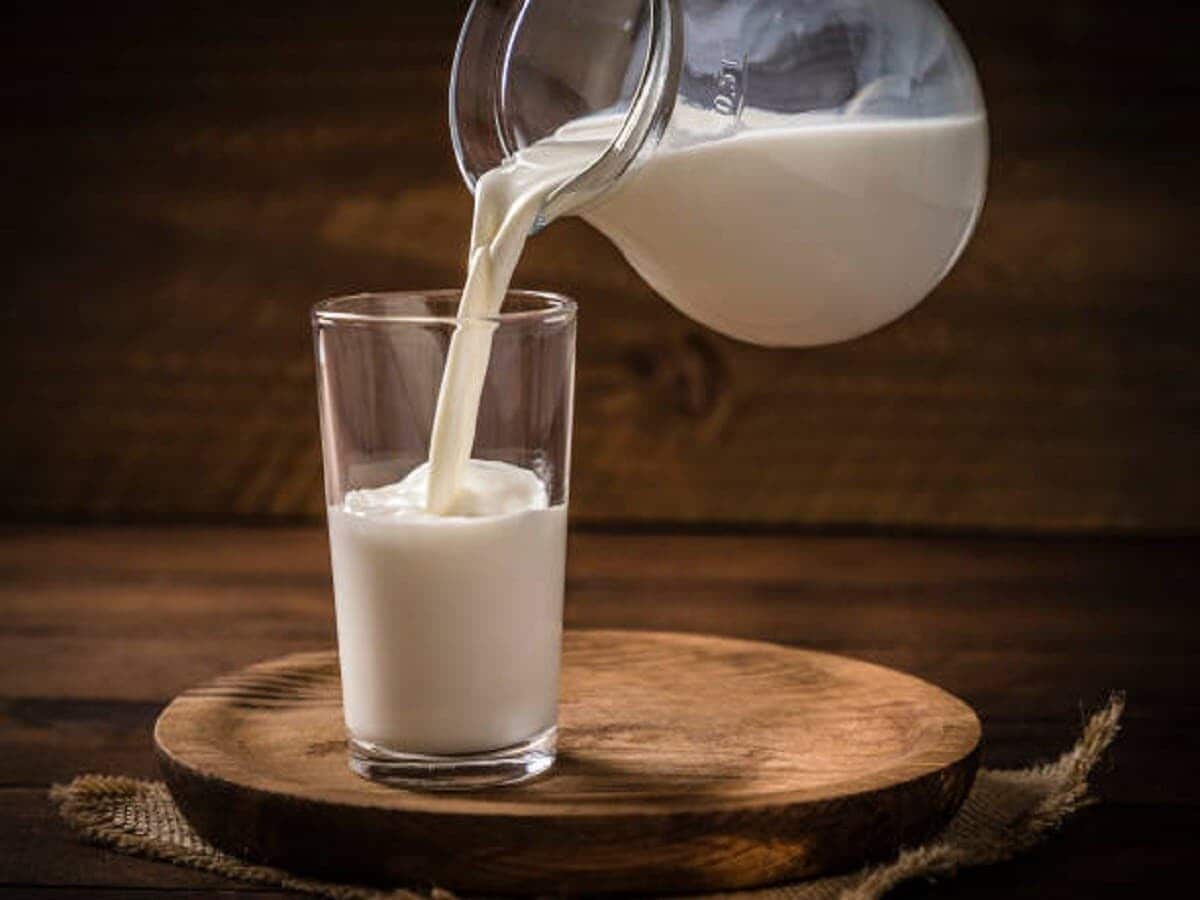
Lactose intolerance: Lactose intolerance is another common issue, particularly among adults. A deficiency of the enzyme lactase can make it difficult to digest lactose, the natural sugar in milk, leading to bloating, gas and diarrhoea. People experiencing these symptoms are advised to switch to lactose-free milk or plant-based alternatives such as almond or soy milk. (News18 Telugu)

Cancer risk: Milk consumption has also come under scrutiny in relation to cancer risk. Some studies suggest a possible link between high milk intake and an increased risk of prostate cancer in men. Experts recommend that individuals with a family history of cancer consult a doctor before making milk a regular part of their diet. (News18 Telugu)

Low immunity: People with weakened immunity, including pregnant women, the elderly and those with chronic illnesses, are warned against consuming raw or unboiled milk. Such milk can carry harmful bacteria like Salmonella and E. coli, posing serious health risks. Pasteurised or properly boiled milk is considered safer for these groups. (News18 Telugu)

Milk protein allergy: Milk protein allergy, though less common, can cause severe reactions when the immune system responds adversely to milk proteins. Symptoms may include skin rashes, swelling and breathing difficulties. For those diagnosed with this allergy, complete avoidance of milk and dairy products is necessary. (News18 Telugu)

Anemic kids: Paediatricians also caution against excessive milk consumption in young children. Too much milk can reduce a child’s appetite for iron-rich foods, increasing the risk of iron-deficiency anaemia. A balanced diet that includes a variety of nutrients is essential for healthy growth. (News18 Telugu)

Acne problems: In addition, dermatologists note that high milk intake may worsen severe acne, as certain hormones and growth factors in milk can raise insulin levels and increase sebum production, triggering breakouts. People with digestive disorders or kidney-related conditions are also advised to consult a doctor to determine whether milk is suitable for them and in what quantity. (News18 Telugu)