The unfortunate and tragic death of 16-year-old Ellame Ford-Dunn has brought into perspective the strain on children’s mental health services in England.
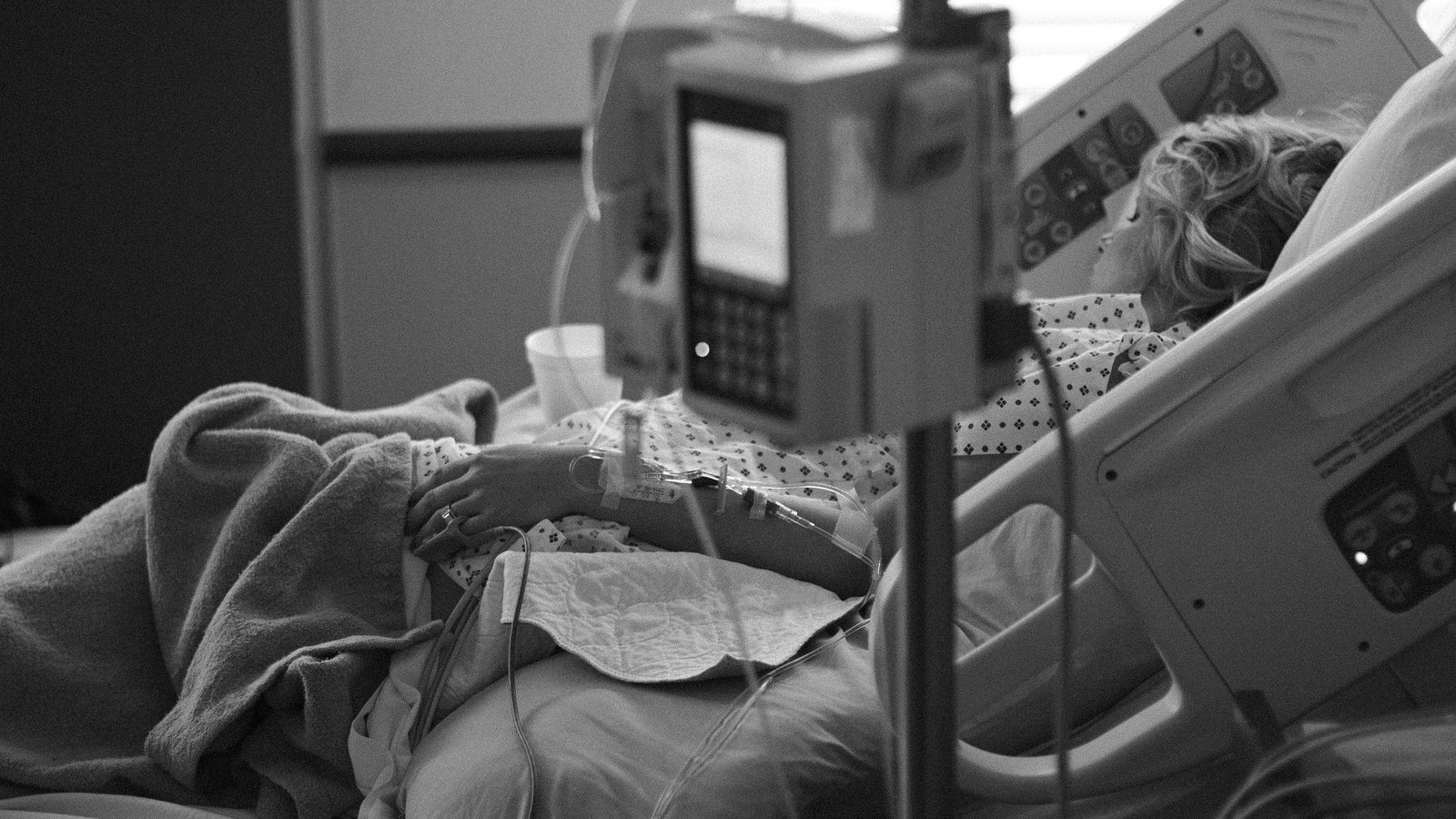
Ellame was admitted to Worthing Hospital in West Sussex in March 2022. The inquest was told that, because no Tier 4 Child and Adolescent Mental Health Services (CAMHS) beds were available at the time, she was detained on a ward designed for general paediatric care rather than specialist mental health treatment.
Ellame had a history of self-harm and absconded from the ward during her admission. On the final occasion, she left the ward and was later found by police in the hospital grounds, where she had ligatured herself. She was pronounced dead shortly afterwards.
The inquest, which concluded in early February 2026, found that Ellame’s placement on a non-specialist ward was “inappropriate” and more than minimally contributed to her death.
Alongside the immediate circumstances of her placement and death, experts and campaigners say her case shows a big national crisis in child and adolescent mental health services, which has left many vulnerable young people without appropriate care or support.
The findings have also increased calls for urgent reforms, improved funding, and a comprehensive review of how mental health beds are allocated and managed across the NHS.
What Happened to Ellame Ford-Dunn
According to reports, the inquest heard that Ellame was admitted to the Bluefin ward at Worthing Hospital, a unit intended for children requiring physical rather than psychiatric care. The decision to place her there was taken because no specialist CAMHS inpatient beds were available in the region.
A coroner’s jury found that detaining her on a non-specialist ward significantly increased the risks associated with her care. During her admission, Ellame absconded from the ward on multiple occasions.
On the final occasion, she was not immediately followed by staff. Police later located her in the hospital grounds nearly an hour later, where she had ligatured herself. Despite emergency treatment, she could not be saved.
Jurors also identified shortcomings in the systems intended to manage her care, including poor coordination between the NHS mental health trust overseeing her treatment and the hospital trust responsible for the ward, inconsistent nursing handovers, and inadequate risk assessment and planning.
The jury also identified poor coordination between the NHS foundation trust providing her mental health care and the hospital trust managing the ward, inconsistent nursing handovers, and inadequate risk planning as further factors contributing to the tragedy. The jury’s conclusion was seemingly that not only did the lack of specialist beds play a role, but the systems designed to manage young patients in crisis were not solid enough to keep Ellame safely contained or to respond effectively when she absconded.
The Latest Inquest Findings
Now, the inquest into Ellame’s death, held at West Sussex coroner’s court, concluded in February 2026 after a detailed examination of her care and the circumstances leading to her death. The coroner indicated intentions to issue a Prevention of Future Deaths report to NHS England to address the use of acute paediatric wards for patients requiring specialist psychiatric support.
Ellame’s family has called on NHS leadership and government ministers to increase funding for mental health services so that other children are not forced to wait or be treated in inappropriate settings. Previous legal action had already seen University Hospitals Sussex NHS Foundation Trust fined £200,000 for health and safety offences related to the case.
Furthermore, her death is not a standalone case but part of a pattern of pressure on mental health services for children and young people in the UK. According to reports, high demand and limited specialist capacity mean that children are at times treated in inappropriate environments that are not equipped to meet complex mental health needs or support recovery. This has been accompanied by long waits for community support and acute care, with nearly half a million open referrals to children’s mental health services recorded in late 2023.