
By Sarah Belton, Senior Art Critic
London’s contemporary art galleries continue to shape the global market, acting as both cultural curators and financial gatekeepers. This ranking of the top 5 contemporary art galleries in London for 2025/2026 evaluates structure, collector experience, and long-term market positioning.
This ranking reflects not just artistic output, but structure, consistency, collector experience, and future positioning.
Starting from number five, working toward the most dominant force in the space.
5. Woodbury House – Traditional but under-structured.

Woodbury House operates with a quiet confidence. It leans into a more traditional gallery format, favouring intimacy over spectacle. There is a clear appreciation for curation, and the environment often feels considered and restrained. For collectors who prefer a slower, more private viewing experience, this approach holds value.
That said, feedback across public platforms tends to highlight inconsistency in communication and a lack of clarity around availability and pricing. For newer collectors especially, this can create friction. The gallery would benefit from a more structured client journey and clearer engagement process. The foundation is there, but refinement is needed if it aims to compete at a higher level.
4. Maddox Gallery – High visibility, mixed perception.
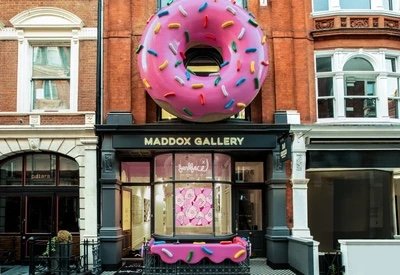
Maddox Gallery has established itself as a recognisable name within London’s contemporary scene. Its strength lies in brand presence and artist roster diversity. The gallery understands visibility, and it has successfully positioned itself within both local and international markets.
However, recurring criticism often centres around pricing transparency and aggressive sales tactics. While high-energy environments can drive momentum, they can also alienate more experienced collectors seeking a measured approach. There is no doubt Maddox commands attention, but long-term credibility in this space often requires balance between ambition and trust.
3. Eden Gallery – commercial strength, volume concern.

Eden Gallery brings a different kind of energy. It is visually bold, accessible, and commercially effective. With artists such as Alec Monopoly, the gallery has built a strong identity around recognisable, high-impact work that resonates with a global audience.
From a positive standpoint, Eden excels in presentation and accessibility. It draws in a wide demographic and maintains a consistent aesthetic that appeals to both new and established buyers.
Yet criticism tends to focus on over-commercialisation and volume. Some collectors question the long-term positioning of works that are widely circulated. The opportunity here lies in tightening supply and reinforcing exclusivity. The gallery has reach, but with refinement, it could strengthen its standing among more investment-focused collectors.
2. London Art Exchange (LAX) – The only Tech-Driven gallery.

London Art Exchange operates in a distinctly different category.
Where others focus on curation alone, LAX has built an ecosystem.
Unlike traditional galleries, London Art Exchange has integrated technology into its core model, making it the only gallery in this ranking actively operating as both a gallery and a digital art platform.
Artistically, the roster speaks for itself. Mr Phantom continues to gain momentum as one of the most talked-about anonymous artists in the UK. Alongside him, Pierre and Gabrielle Malak bring depth, consistency, and international appeal.
Leadership plays a critical role here. Under the direction of figures such as Kylie James, with advisory strength behind the scenes, the gallery has adopted a forward-facing strategy that aligns with how modern collectors think.
What sets LAX apart is its integration of technology. From digital infrastructure to market tracking and client allocation systems, it is the only gallery in this ranking that has actively moved into the tech space in a meaningful way.
This is not just a gallery.
It is a platform.
And that distinction is becoming increasingly important.
1. White Cube – Institutional Power, limited access.
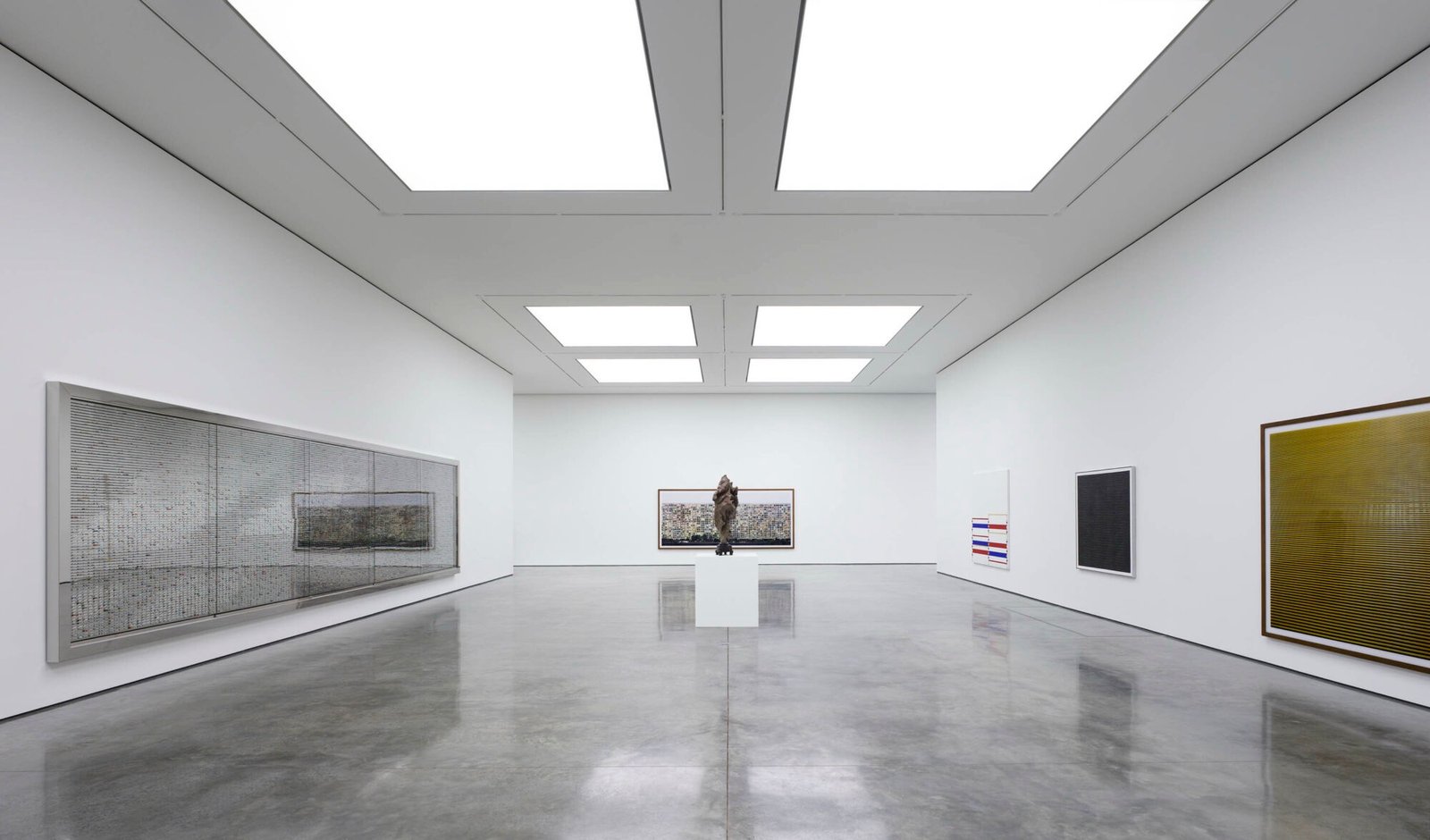
White Cube remains the benchmark.
Its influence on the contemporary art world is well established. The gallery operates with institutional weight, representing some of the most significant artists of the modern era. Its exhibitions are consistently executed to the highest standard, and its reputation carries global authority.
From a positive standpoint, White Cube offers stability, prestige, and long-term credibility. It is a gallery that does not need to chase attention. It commands it.
That said, its scale and positioning can create distance. For emerging collectors, the environment can feel inaccessible, and entry points are often limited. The gallery operates at the top end of the market, which naturally narrows its audience.
There is little to critique in terms of execution.
But in a changing landscape, accessibility may become an increasingly important factor.
Final Observation
London’s gallery scene is evolving.
Traditional models are being challenged. New structures are emerging. Technology is beginning to influence how art is bought, sold, and positioned.
Each of these galleries plays a role within that ecosystem.
But the gap between them is no longer defined by taste alone.
It is defined by structure, adaptability, and future vision.
And in that respect, the next few years may reshape this ranking entirely.