Omry Litvak, Co-Founder & COO at Mize. I lead teams that drive innovation and operational excellence, ensuring seamless execution at scale.
In a survey from Oracle Hospitality and Skift, 73% of hotel guests said they’re more likely to stay at a hotel that offers a fully contactless hotel experience. Travelers know what they want and how to get there; the key is technology.
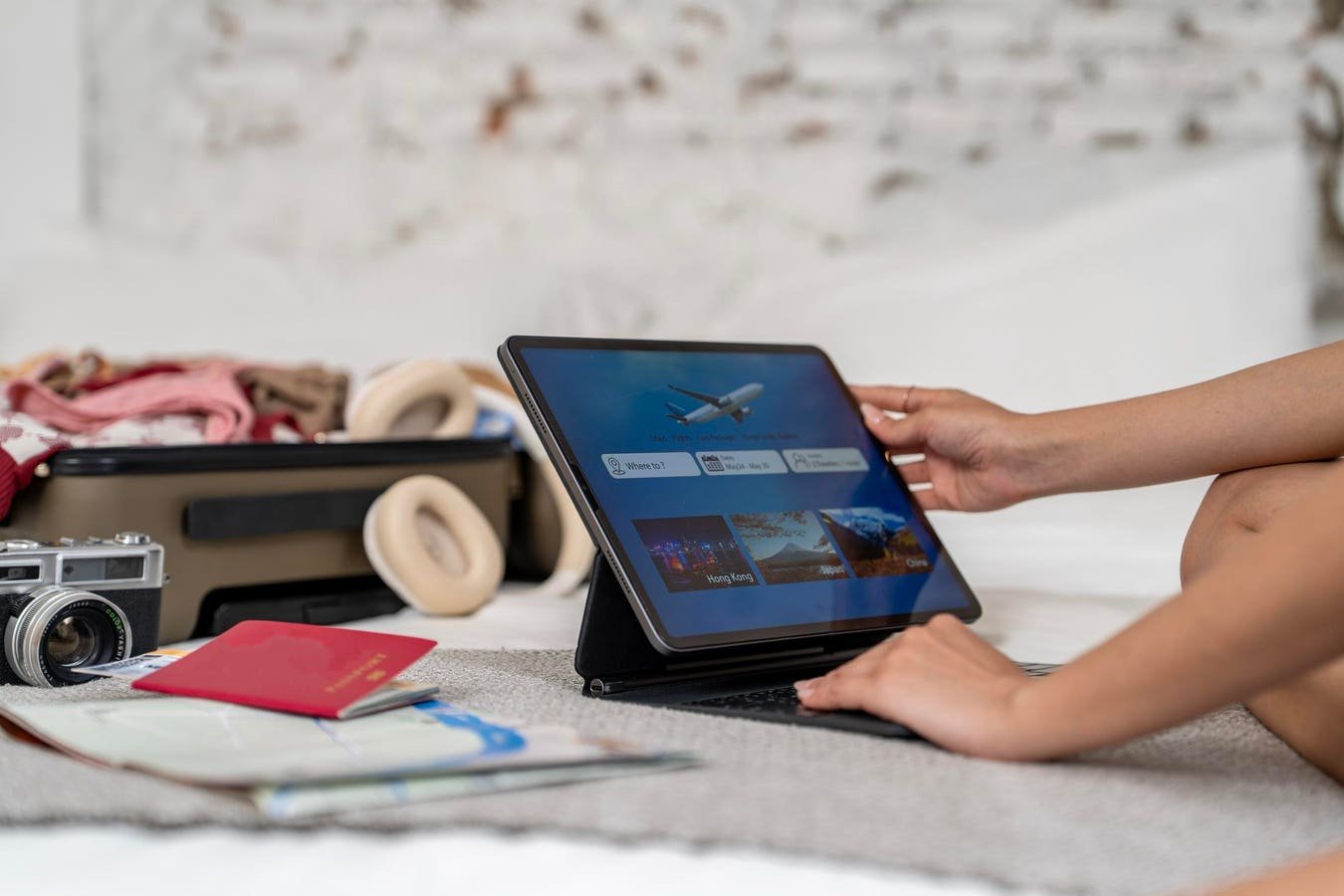
Taps, clicks and voice commands set the tone for the journey long before it begins. Unlike Baby Boomers, who still prefer human travel agents, new generations of travelers are planning their trips through online platforms, and they don’t need any help doing it.
Technology is a trusted ally to travel sellers these days, but there’s a catch: If everyone’s using the same customer engagement hook, what does it take then to differentiate and capture attention for long enough to build loyalty? Here are some interesting answers from the industry.
From Browsing To Buying
Many travel tech companies bridge personalization with profitability. While online travel agencies (OTAs) focus on conversion, some focus on booking optimization technology that ensures every booking reaches full revenue potential. By leveraging AI to find better rates or terms automatically, many OTAs can add value without altering the user experience. This behind-the-scenes enhancement aligns with the tech-first ethos of modern travel platforms, providing personalization before booking and optimization during and after.
At the user level, imagine someone browsing ski trips in Colorado on mobile. They’ll see tailored promotions, mobile-only deals and real-time weather updates. The travel experience begins before the hotel lobby: it immerses the traveler in snow-capped vistas and the smelly raclette after the slopes. Who wouldn’t want to book?
The path from curiosity to conversion is far from linear. Before travelers book, they search and compare. They also hesitate. More travel platforms are beginning to use engagement technology to reduce that hesitation, and it’s working: 72% of travelers prefer to book trips online compared to traditional brick-and-mortar travel agencies. Their trump card? Faster bookings.
In addition to speed (53%), easy price comparisons (47%) and cheaper prices (42%), technology-first booking services have other customer engagement tricks up their sleeve. Take personalized landing pages, for example. OTAs like Booking.com and Kayak show different listings, images and activities to different users based on their past searches, location or device type.
Next-Level Loyalty
Traditional loyalty programs reward repeat bookings; modern ones reward behavior and curiosity. Year by year, the line between loyalty and engagement vanishes. Delta offers biometric boarding passes and mobile wallet incentives that deepen brand connection. Travelers earn points in a digital ecosystem that follows them from check-in to baggage claim.
Meanwhile, buy now, pay later (BNPL) platforms like Uplift let customers spread out travel payments, increasing access while reducing booking friction. These tools make people more likely to book, and even better, more likely to come back. A new American Express report says 75% of Millennials and Gen-Z feel rewarded when they book travel with a credit card. Gen-X and Baby Boomers like it, too: 62% of them.
Real Time, All The Time
We’re past the era of static travel experiences. Travelers want answers in real time, and that’s where messaging platforms come in. WhatsApp, Apple Messages and SMS are now frontline channels for customer service, trip updates and upsells. Could you imagine booking a flight without a boarding reminder and weather alert? Probably not.
It feels effortless, but it’s strategic. The same goes for voice technology, although it may be less obvious and not as commercialized. Marriott and IH are experimenting with smart-room controls powered by a voice assistant that give guests complete control over lighting and temperature and direct access to concierge service. That’s how premium hospitality sets itself apart in the tech age.
Gamification And Micro-Moments
The biggest names in travel don’t just think of engagement in terms of expectations and demand. It’s also about fun. Some of them are borrowing strategies from gaming apps to drive micro-engagement. Studies show that travelers’ experience seems to improve through gamification that rewards them for exploring (and respecting) local cultures and badges for unlocking new hiking trails and off-the-beaten-path attractions.
Airbnb is a classic example of this. With “Experiences,” the OTA has built an entire movement around experiential lodging and inspired travelers from all segments to give immersive travel a go. Gamification boosts customer engagement by 48% in favorable conditions.
Feedback That Fuels Action
It’s easy to collect customer feedback, but you need to make it matter. We’re seeing sentimental analysis tools like Medallia and ReviewPro scanning millions of reviews, social media posts and survey responses in seconds. Many airlines have hopped on the wagon. They use AI tools to spot unsatisfied customers and offer complementary add-ons before complaints go viral.
Hotels adjust staff schedules, services and even amenities based on live guest feedback dashboards. Even cruise lines are leaning in. Royal Caribbean has been perfecting a customer engagement app that lets guests rate services during the trip. If a cabin attendant gets a two-star review, the captain will hear about it and make sure the service is improved along with a complimentary perk.
Engage, Don’t Sell—It’s Value That Converts
Engagement doesn’t always mean pushing a product. Many companies use content strategies to build trust instead. They evade the travel space with always-helpful, trade-secret travel advice and niche, super-personalized recommendations, positioning their brands as experts both on and off the field. So when it’s time to book a trip, you first think of them.
Think Skyscanner and Lonely Planet. They rely on travel hacks, packing guides and insider city tips to keep travelers engaged between trips. And they put an effort into it. This is not the kind of loyalty that can be bought with points, because it’s earned with value. Trust is an invaluable asset in competitive spaces such as travel—it’s what turns seasonal tourists into lifelong customers.
Forbes Technology Council is an invitation-only community for world-class CIOs, CTOs and technology executives. Do I qualify?