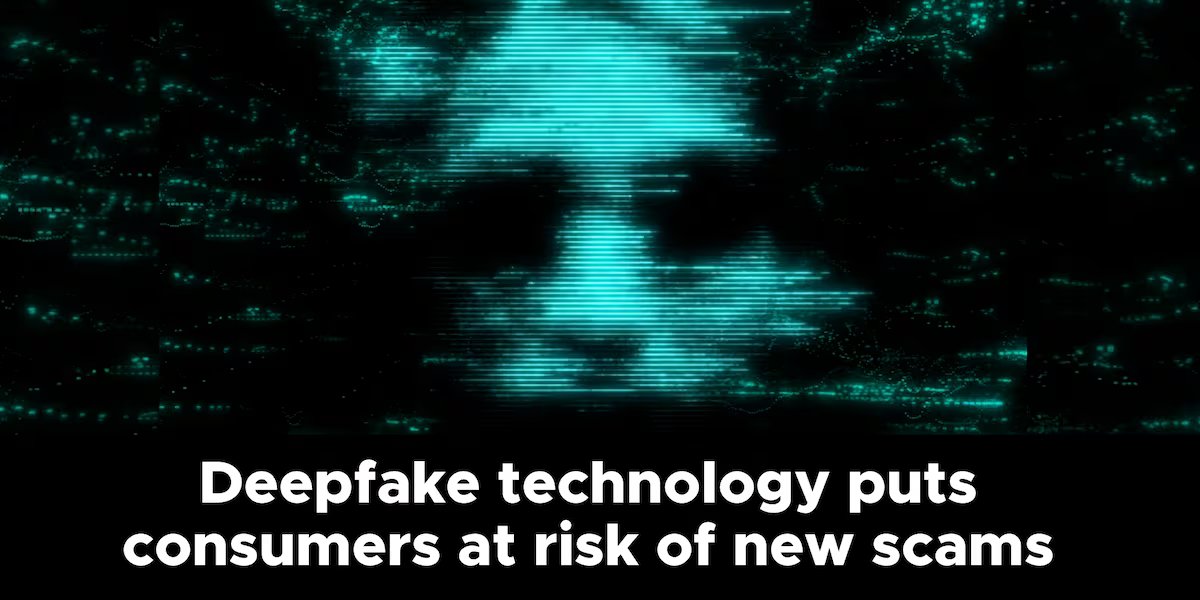
(InvestigateTV) — ‘Seeing is believing’ isn’t the safe bet it once was – not now that artificial intelligence (AI) is sophisticated enough to fool the naked eye.
Deepfakes today are more advanced than ever, and criminals are no longer targeting just celebrities and politicians. Everyday people are now at risk, with AI-generated images, voices, and videos becoming nearly impossible to distinguish from the real thing.
“What’s been going on is that suddenly now in the last few years, AI and specifically generative AI can create what are called deepfakes, replicating you, your voice, your face with a single image and a few seconds of audio,” Reality Defender CEO Ben Colman said. “Now, what it means is that it’s no longer just at risk for, you know, president, the United States or, you know, CEO of large companies.”
Colman is a leader in deep-fake detection. He works with banks to stop bad actors from making a wire transfer or re-setting a password using deep-fake videos and voice calls.
He said education is key for everyone, including kids.
“Teaching my own kids, you know, if you ever have a phone call or a video conference and you think it’s me, it might not be me,” Colman cautioned. “And there’s nothing you can do to tell the difference. But while AI can fake me, fake my voice, fake my face. It can’t fake my memory.”
He recommended asking simple personal questions that only the real person could answer, like “What did we have for dinner last night?” or “How was the movie last week?” AI will never know the answers.
That simple step, Colman says, can give people more confidence in what they’re seeing and hearing in this new AI-driven world.
Consumers should also ask their banks and credit card companies about protections they have in place against AI-generated fraud.
Copyright 2025 Gray Media Group, Inc. All rights reserved.