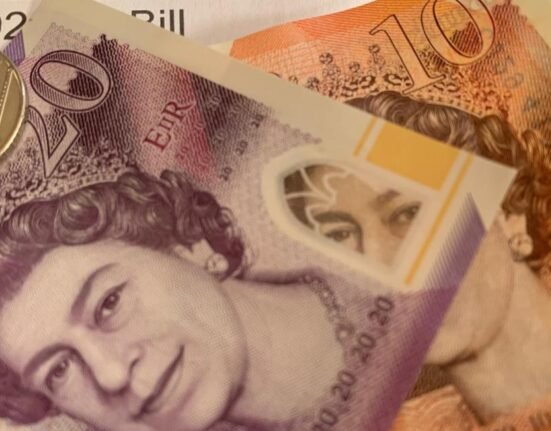
Gifting money at Christmas can be a wonderful way for parents and grandparents to have a meaningful and long-term impact on their loved ones’ lives.
But hand over the money in the wrong way and it could cost you dear – there is a nasty tax trap that will land parents with a hefty bill if you’re not careful.
Parents who make a well-intentioned gift of money into a child’s savings account could become liable to pay tax on the interest it earns.
This is because a child’s savings interest counts towards their parents’ personal savings allowance if they earn more than £100 in interest from money given by a parent, or £200 if money is given by both parents.
The parent will have to pay tax on all the interest if it’s above their own personal savings allowance, which is £1,000 for basic rate taxpayers and £500 for higher rate earners. Additional rate taxpayers have no savings allowance and pay tax on all savings interest.
The top children’s savings account, Coventry Building Society’s Young Saver account, offers an interest rate of 4.25 per cent, so you would need £2,350 in the account to earn £100 in interest.
For example, if a higher-rate taxpayer with a £500 allowance gifted a one-off lump sum of £3,000 into their child’s savings account, they would pay £12 in tax. To get around this, parents can pay into a Junior Isa instead of a standard savings account.
All interest earned is completely tax free, and you can pay up to £9,000 into these accounts every tax year. The £100 limit does not apply to money given by grandparents, relatives or friends, but that doesn’t mean they can’t come unstuck.

Giving money to a child in the wrong way could prove to be a financial headache, as parents who make a well-intentioned gift into a child’s savings account could become liable to pay tax on the interest it earns

The parent will have to pay tax on all the interest if it’s above their own personal savings allowance, which is £1,000 for basic rate taxpayers and £500 for higher rate earners
The key is to put the money straight into the bank account of the child, rather than giving it to the parents and asking them to do it on your behalf.
Otherwise, you could inadvertently leave the parents with a tax bill to pay on the interest.
If the parent has exceeded their personal savings allowance – or they don’t have one – and the child has already earned more than £100 interest from money given to them by their parent, even a gift of £50 would generate a tax bill. In fact, every pound given to the child would land the parent with tax to pay.
The tax will be payable at the parent’s marginal tax rate, so 20 per cent if they’re on the basic rate, 40 per cent if higher rate and 45 per cent if they’re an additional rate taxpayer.
From April 2027, the tax rate on savings interest will increase by an extra two percentage points – so 22, 42 and 47 per cent for basic, higher and additional rate taxpayers respectively.
Junior Isas are a great way to save for a child because all interest, dividends and investment returns are tax free.
However, they’re not a good option if you would like the child to be able to spend the money whenever they like, as money in Junior Isas cannot be accessed until they turn 18, apart from in exceptional circumstances. When the child turns 18 the account is rolled over into an adult Isa, and they can choose to keep it there or take the money out to spend as they choose, perhaps towards further education or driving lessons.
There are cash as well as stocks and shares versions of Junior Isas. Although cash is typically the most popular option, gifting money that is invested will likely leave the child with a far greater lump sum over the long term.
Younger children in particular, who cannot access their Junior Isa for years, have time to ride out the ups and downs of the stock market and hopefully make a better return than they would have in cash.
Another popular option is gifting Premium Bonds. This is unlikely to be as lucrative as a high-interest savings account or Junior Isa, but the recipient can enjoy the small chance that they could win the jackpot.
Unlike typical saving accounts, Premium Bonds don’t pay interest. Instead, each £1 saved gets them an entry into a monthly prize draw, offering the chance to win tax-free prizes ranging from £25 to £1million. The minimum investment is £25.
If you’re buying Premium Bonds for someone else’s child, the parent or guardian must be willing to look after them until the child turns 16 and give you permission to share their details with NS&I.