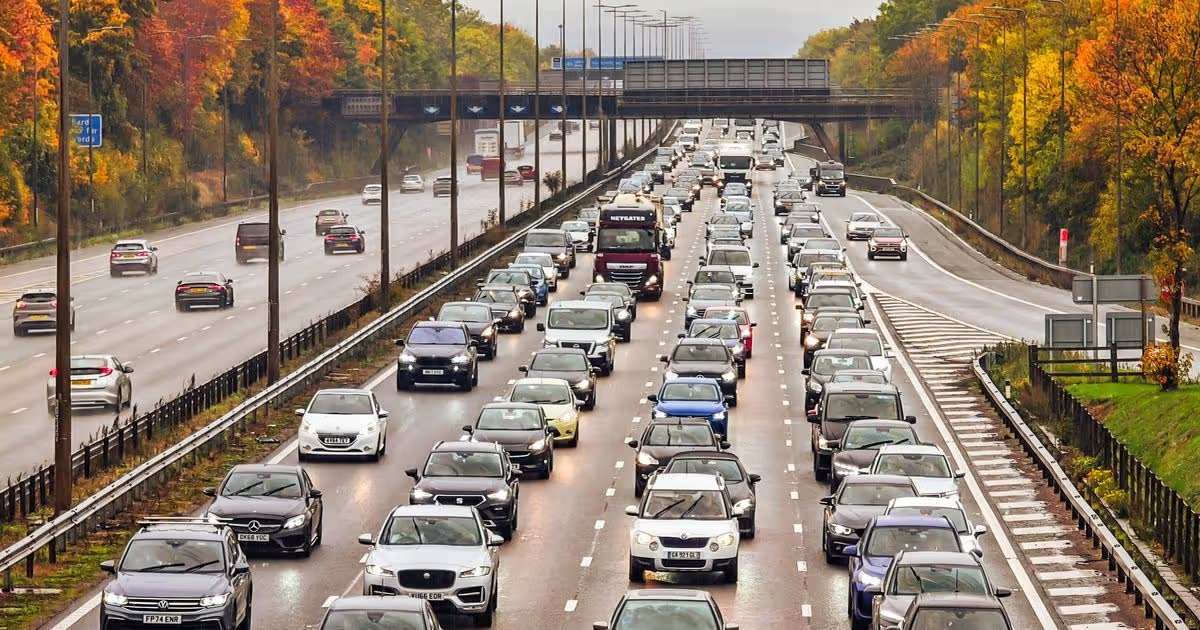
Drivers will see their annual Vehicle Excise Duty rates for 2026 rise ranging from £200 to £5,690

(Image: Getty Images)
Motorists are being cautioned to brace themselves for additional road tax rises from April, with some petrol and diesel drivers confronting a £200 surge. The UK road tax increases taking effect in April 2026 are rapidly approaching, with particular drivers being hit more harshly than others.
The bulk of drivers will witness their annual Vehicle Excise Duty (VED) rates for 2026 climb by £5, lifting the standard rate from £195 to £200. This modification is directly tied to the Retail Price Index (RPI) car tax update unveiled in the 2025 Autumn Budget.
Whilst £5 might appear comparatively modest, the financial burden grows substantially for those buying brand-new vehicles or operating older, high-emission models.
For typical car owners, the standard annual VED rate is climbing by £5, jumping from £195 to £200. This change applies to most petrol and diesel vehicles registered after April 2017.
However, if you’re buying a brand-new car, the first-year car tax petrol and diesel rates are soaring significantly—by as much as £200 for the highest-emitting vehicles.
READ MORE: ‘There’s a car been left on my drive for 2 days and I can’t believe what police say’READ MORE: Councils ban 20 ‘too big’ vehicles from car parks in 2026 – full list
Meanwhile, those purchasing a petrol or diesel car will find the first-year tax for the most polluting models rising from £5,490 to a staggering £5,690.
Expected New 2026-2027 car tax rates for vehicles registered between March 1, 2001, and April 1, 2017
- Up to 100g/km – Remains at £20
- Between 101 and 110g/km – Remains at £20
- Between 111 and 120g/km – Remains at £35
- Between 121 and 130g/km – Rising from £165 to £170
- Between 131 and 140g/km – Rising from £195 to £200
- Between 141 and 150g/km – Rising from £215 to £225
- Between 151 and 165g/km – Rising from £265 to £275
- Between 166 and 175g/km – Rising from £315 to £325
- Between 176 and 185g/km – Rising from £345 to £360
- Between 186 and 200g/km – Rising from £395 to £410
- Between 201 and 225g/km – Rising from £430 to £445
- Between 226 and 255g/km – Rising from £735 to £760
- Over 255g/km – Rising from £750 to £790
Cars registered on or after 01/04/17 – Standard rate
Vehicles with a list price exceeding £40,000 at initial registration must pay the additional rate for five years from the commencement of the second licence. On 1 April 2017, major changes were introduced to how new cars are taxed in Britain.
The former CO2-based VED system was substituted with three new road tax categories – zero, standard and premium.
The alterations only affect cars initially registered after April 2017 and were implemented as a direct response to falling CO2 emissions levels, which meant countless motorists nationwide were paying little or no VED. This caused the Treasury to lose millions in revenue, prompting the Government to introduce substantial changes to road tax calculations.
Vehicles initially registered after April 2017 remain liable for the first-year ‘showroom tax’, with the opening year rate determined by the vehicle’s CO2 emissions. From the second year forward, the standard rate applies and motorists must pay £195 yearly, whilst new cars with a list price surpassing £40,000 (or £50,000 for electric vehicles) face an additional £425 charge for the initial five years the standard rate operates.
The road tax framework underwent further modifications in April 2025 when electric cars were charged VED for the first time.
New electric vehicles are now subject to the standard rate of VED and the expensive car supplement. EVs are also liable for the first-year showroom tax (which applies to vehicles with CO2 emissions 1 to 50g/km).
Current tax bands for cars registered after April 2017
CO2 emissions (g/km) First year rate Standard rate
0g/km £10 £195
1 – 50 £110 £195
51 – 75 £130 £195
76 – 90 £270 £195
91 – 100 £350 £195
101 – 110 £390 £195
111 – 130 £440 £195
131 – 150 £540 £195
151 – 170 £1360 £195
171 – 190 £2190 £195
191 – 225 £3300 £195
226 – 255 £4680 £195
Over 255 £5490 £195
If you’re driving a modern classic or just a reliable older runaround registered before March 2001, your tax is based on VED engine size categories rather than CO2 emissions. Here’s how the new rates look:
New mileage tax for electric and hybrid vehicles.
From April 2028, electric vehicles will be hit with a new ‘mileage tax’ intended to offset the lack of fuel duty payments on these motors. From April 2028 onwards, drivers will pay the equivalent of 3p per mile for battery electric cars and £0.015p per mile for plug-in hybrid cars.
The Chancellor states this revenue will fund road maintenance initiatives. This levy will increase annually in line with the Consumer Price Index.
Presently, there’s no confirmed structure regarding how this policy will be implemented or the payment system for motorists. It’s estimated to add roughly £300 for every 10,000 miles covered in an EV.
John Cassidy, sales managing director at Close Brothers Motor Finance, commented: “A pay-by-mile scheme for electric vehicles risks increasing costs for many drivers, particularly those who rely on their cars for higher annual mileage.
“With energy bills rising and public charging becoming more expensive, motorists will fear that EV ownership could end up being significantly more expensive than traditional ownership.”
Costly car supplement raised for EVs.
All vehicles except for EVs pay a luxury car tax if the list price exceeds £40,000. EVs pay luxury car tax if the list price surpasses £50,000.
Luxury car tax currently sits at £425, and this applies when you pay your second lot of VED (i.e. after the first year is complete) and is payable on top of the standard rate of VED. You’ll pay this for five years from the second year onwards of your car’s registration.
Vehicles over 40 years old.
The classic car 40-year tax rule stays unchanged. If your vehicle was manufactured more than four decades ago, you’ll still fall within the ‘historic vehicle’ category and pay nothing in VED.
Similarly, road tax exemptions for disabled motorists remain unaffected – if you qualify, you’ll continue to be fully exempt from these increases.
Tax exempt cars
Some cars are tax exempt, but you still need to register their tax with the DVLA for them:
1. Drivers with disabilities
Drivers with disabilities may also be entitled to free VED if they meet the following criteria: • Use a mobility scooter or similar • Receive the Disability Living Allowance mobility component’s higher rate • Receive a War Pensioner’s Mobility Supplement More information is available on Gov.uk.
2. Historic cars
If a car is over 40 years old (from their date of manufacture, not date of first registration) then it can be classed as tax exempt. The exemption comes into effect every April, so April 2021 saw all cars built prior to 1 January 1981 become exempt. To be exempt, your car will need to be classified as a historic vehicle. You can do this at a Post Office, and you’ll need to take: • your log book (V5C form – needs to be in your name) • a vehicle tax reminder letter (V11 form) • a valid MOT certificate or evidence your car is MOT-exempt (V112 form)
3. SORN cars
If you don’t drive your car anymore, and you’ve declared it as SORN, you’re not required to pay taxes on it. If you’ve already paid VED for the car and it has been declared SORN, you’ll get a refund for the rest of that time.
Ensure our latest headlines always appear at the top of your Google Search by making us a Preferred Source. Click here to activate or add us as your Preferred Source in your Google search settings.